Kirjojen hintavertailu – 12 903 725 kirjaa ja 27 kauppaa

Kirjailija

Philip Kinsella

Kirjat ja teokset yhdessä paikassa: 7 kirjaa, julkaisuja vuosilta 2007–2021, suosituimpiin kuuluu Cognitive Behavioural Therapy for Chronic Fatigue Syndrome. Vertaile teosten hintoja ja tarkista saatavuus suomalaisista kirjakaupoista.

7 kirjaa

Kirjojen julkaisuvuodet: 2007–2021.

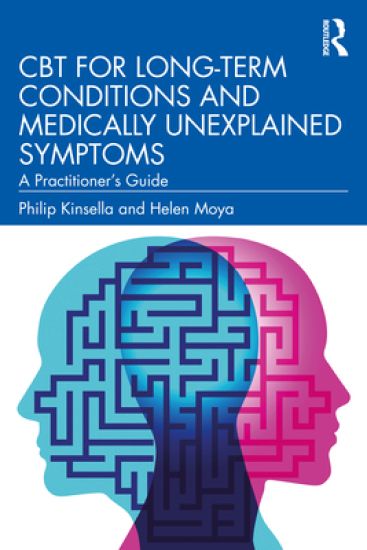
CBT for Long-Term Conditions and Medically Unexplained Symptoms
CBT for Long-Term Conditions and Medically Unexplained Symptoms describes how cognitive behavioural therapy (CBT) can be used to treat anxiety and depression with a co-morbid long-term physical health condition (LTC) or medically unexplained symptoms (MUS). The book teaches cognitive behavioural therapists and other clinicians to help patients deal with the psychological aspects of physical symptoms, whatever their cause. It is divided into three parts, beginning with core skills for working with people with LTC and MUS. This includes assessment, formulation and goal setting. Part II focuses on CBT for LTC and includes chapters on low intensity interventions, working with depression and anxiety using protocols, and a consideration of an identity and strengths-based approach to working with LTC. The final part provides details of a formulation driven approach to working with MUS, broken down into individual chapters on working with behaviours, cognitions and emotions. With numerous case examples, the book provides accessible and practical guidance for mental health professionals, particularly CBT practitioners, working with anyone with long-term conditions or MUS.

CBT for Long-Term Conditions and Medically Unexplained Symptoms
CBT for Long-Term Conditions and Medically Unexplained Symptoms describes how cognitive behavioural therapy (CBT) can be used to treat anxiety and depression with a co-morbid long-term physical health condition (LTC) or medically unexplained symptoms (MUS). The book teaches cognitive behavioural therapists and other clinicians to help patients deal with the psychological aspects of physical symptoms, whatever their cause. It is divided into three parts, beginning with core skills for working with people with LTC and MUS. This includes assessment, formulation and goal setting. Part II focuses on CBT for LTC and includes chapters on low intensity interventions, working with depression and anxiety using protocols, and a consideration of an identity and strengths-based approach to working with LTC. The final part provides details of a formulation driven approach to working with MUS, broken down into individual chapters on working with behaviours, cognitions and emotions. With numerous case examples, the book provides accessible and practical guidance for mental health professionals, particularly CBT practitioners, working with anyone with long-term conditions or MUS.

Cognitive Behavioural Therapy for Mental Health Workers

Cognitive Behavioural Therapy for Mental Health Workers

Philip Kinsella; Anne Garland

Taylor Francis Ltd
2008
nidottu
Can Cognitive behavioural therapy revolutionise your practice? Cognitive Behavioural Therapy is an effective and frequently used psychological treatment. Cognitive Behavioural Therapy for Mental Health Workers offers the reader a good overview of CBT, allowing them to develop an understanding of the patient’s problems, utilise the approach effectively, prepare for supervision, and integrate CBT skills into everyday practice. This clear, comprehensive introduction written by experienced clinicians, describes how to use CBT within the busy clinical environment. Subjects covered include:the therapeutic relationship in CBTtreating anxiety disorders and depressiondeveloping further CBT skillsutilising CBT in different mental health settingsrecent developments in practice. This straightforward guide will be essential for all mental health workers who are new to CBT, including nurses, occupational therapists, and counsellors as well as anyone training in mental health professions.
Cognitive Behavioural Therapy for Mental Health Workers

Cognitive Behavioural Therapy for Mental Health Workers

Philip Kinsella; Anne Garland

Taylor Francis Ltd
2008
sidottu
Can Cognitive behavioural therapy revolutionise your practice? Cognitive Behavioural Therapy is an effective and frequently used psychological treatment. Cognitive Behavioural Therapy for Mental Health Workers offers the reader a good overview of CBT, allowing them to develop an understanding of the patient’s problems, utilise the approach effectively, prepare for supervision, and integrate CBT skills into everyday practice. This clear, comprehensive introduction written by experienced clinicians, describes how to use CBT within the busy clinical environment. Subjects covered include:the therapeutic relationship in CBTtreating anxiety disorders and depressiondeveloping further CBT skillsutilising CBT in different mental health settingsrecent developments in practice. This straightforward guide will be essential for all mental health workers who are new to CBT, including nurses, occupational therapists, and counsellors as well as anyone training in mental health professions.
Cognitive Behavioural Therapy for Chronic Fatigue Syndrome
Chronic fatigue syndrome is a common and disabling condition characterised by fatigue, muscle pain, sleep disturbances and other physical and psychological symptoms that cause a considerable amount of distress and suffering. This book provides a practical guide for clinicians on how to treat chronic fatigue syndrome using cognitive behaviour therapy approaches. Cognitive Behavioural Therapy for Chronic Fatigue Syndrome attempts to make sense of the illness, and describes how cognitive behavioural therapy can help patients by working with their environment, emotions, and behaviour to improve their physical condition. Topics covered include:principles of cognitive behavioural therapyassessing patients with chronic fatigue syndromehelping patients with emotional issues and other maintenance factorsusing cognitive behavioural therapy alongside other approaches. Aimed at practitioners, this book will provide essential guidance for cognitive behavioural therapists, physiotherapists, occupational therapists, and other clinicians who work in this rapidly expanding field.
Cognitive Behavioural Therapy for Chronic Fatigue Syndrome
Chronic fatigue syndrome is a common and disabling condition characterised by fatigue, muscle pain, sleep disturbances and other physical and psychological symptoms that cause a considerable amount of distress and suffering. This book provides a practical guide for clinicians on how to treat chronic fatigue syndrome using cognitive behaviour therapy approaches. Cognitive Behavioural Therapy for Chronic Fatigue Syndrome attempts to make sense of the illness, and describes how cognitive behavioural therapy can help patients by working with their environment, emotions, and behaviour to improve their physical condition. Topics covered include:principles of cognitive behavioural therapyassessing patients with chronic fatigue syndromehelping patients with emotional issues and other maintenance factorsusing cognitive behavioural therapy alongside other approaches. Aimed at practitioners, this book will provide essential guidance for cognitive behavioural therapists, physiotherapists, occupational therapists, and other clinicians who work in this rapidly expanding field.