

Kirjailija
Philip Krömer
Kirjat ja teokset yhdessä paikassa: 5 kirjaa, julkaisuja vuosilta 2013–2026, suosituimpiin kuuluu nôt. Vertaile teosten hintoja ja tarkista saatavuus suomalaisista kirjakaupoista.
Nimi esiintyy myös muodoissa: Philip Kromer
5 kirjaa
Kirjojen julkaisuvuodet: 2013–2026.


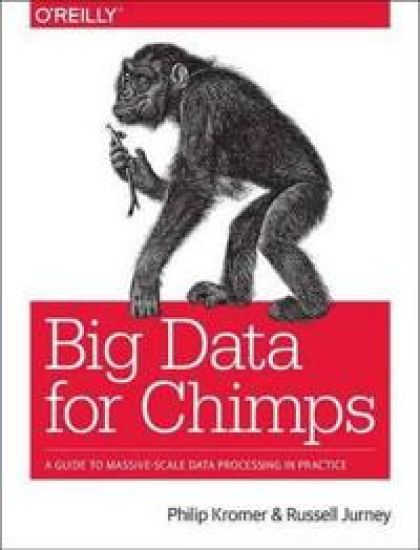
Finding patterns in massive event streams can be difficult, but learning how to find them doesn't have to be. This unique hands-on guide shows you how to solve this and many other problems in large-scale data processing with simple, fun, and elegant tools that leverage Apache Hadoop. You'll gain a practical, actionable view of big data by working with real data and real problems. Perfect for beginners, this book's approach will also appeal to experienced practitioners who want to brush up on their skills. Part I explains how Hadoop and MapReduce work, while Part II covers many analytic patterns you can use to process any data. As you work through several exercises, you'll also learn how to use Apache Pig to process data. Learn the necessary mechanics of working with Hadoop, including how data and computation move around the cluster Dive into map/reduce mechanics and build your first map/reduce job in Python Understand how to run chains of map/reduce jobs in the form of Pig scripts Use a real-world dataset-baseball performance statistics-throughout the book Work with examples of several analytic patterns, and learn when and where you might use them
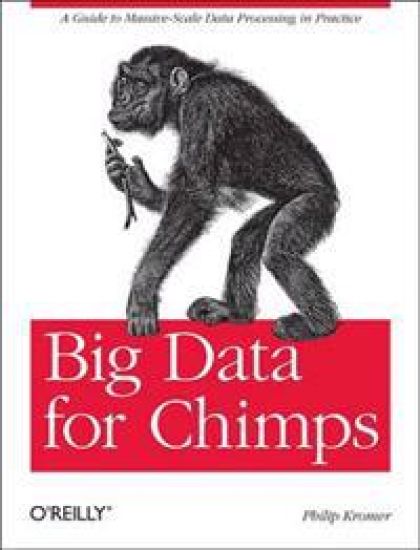
To help you answer big data questions, this unique guide shows you how to use simple, fun, and elegant tools leveraging Apache Hadoop. You'll learn how to break problems into efficient data transformations to meet most of your analysis needs. Its developer-friendly approach works well for anyone using Hadoop, and flattens the learning curve for those working with big data for the first time. Written by Philip Kromer, founder and CTO at Infochimps, this book uses real data and real problems to illustrate patterns found across knowledge domains. It equips you with a fundamental toolkit for performing statistical summaries, text mining, spatial and time-series analysis, and light machine learning. For those working in an elastic cloud environment, you'll learn superpowers that make exploratory analytics especially efficient. Learn from detailed example programs that apply Hadoop to interesting problems in context Gain advice and best practices for efficient software development Discover how to think at scale by understanding how data must flow through the cluster to effect transformations Identify the tuning knobs that matter, and rules-of-thumb to know when they're needed