
Kirjojen hintavertailu – 12 859 829 kirjaa ja 27 kauppaa

Kirjailija

Philip L. Gibbard

Kirjat ja teokset yhdessä paikassa: 3 kirjaa, julkaisuja vuosilta 1994–2015, suosituimpiin kuuluu The Ice Age. Vertaile teosten hintoja ja tarkista saatavuus suomalaisista kirjakaupoista.

3 kirjaa

Kirjojen julkaisuvuodet: 1994–2015.

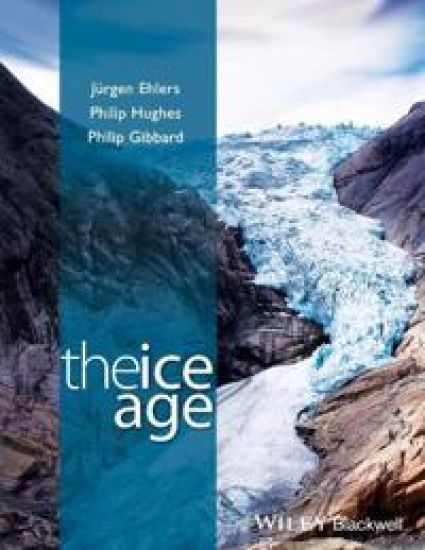
The Ice Age

The Ice Age

Jürgen Ehlers; Philip Hughes; Philip L. Gibbard

John Wiley Sons Inc
2015
nidottu
This book provides a new look at the climatic history of the last 2.6 million years during the ice age, a time of extreme climatic fluctuations that have not yet ended. This period also coincides with important phases of human development from Neanderthals to modern humans, both of whom existed side by side during the last cold stage of the ice age. The ice age has seen dramatic expansions of glaciers and ice sheets, although this has been interspersed with relatively short warmer intervals like the one we live in today. The book focuses on the changing state of these glaciers and the effects of associated climate changes on a wide variety of environments (including mountains, rivers, deserts, oceans and seas) and also plants and animals. For example, at times the Sahara was green and colonized by humans, and Lake Chad covered 350,000 km2 – larger than the United Kingdom. What happened during the ice age can only be reconstructed from the traces that are left in the ground. The work of the geoscientist is similar to that of a detective who has to reconstruct the sequence of events from circumstantial evidence. The book draws on the specialisms and experience of the authors who are experts on the glacial history of the Earth. Readership: Undergraduate and postgraduate students studying the Quaternary, researchers, and anyone interested in climate change, environmental change and geology. The book provides a rich collection of illustrations and photographs to help the readers at all levels visualise the dramatic consequences of glacier expansions during the Ice Age.
The Ice Age

The Ice Age

Jürgen Ehlers; Philip Hughes; Philip L. Gibbard

John Wiley Sons Inc
2015
sidottu
This book provides a new look at the climatic history of the last 2.6 million years during the ice age, a time of extreme climatic fluctuations that have not yet ended. This period also coincides with important phases of human development from Neanderthals to modern humans, both of whom existed side by side during the last cold stage of the ice age. The ice age has seen dramatic expansions of glaciers and ice sheets, although this has been interspersed with relatively short warmer intervals like the one we live in today. The book focuses on the changing state of these glaciers and the effects of associated climate changes on a wide variety of environments (including mountains, rivers, deserts, oceans and seas) and also plants and animals. For example, at times the Sahara was green and colonized by humans, and Lake Chad covered 350,000 km2 – larger than the United Kingdom. What happened during the ice age can only be reconstructed from the traces that are left in the ground. The work of the geoscientist is similar to that of a detective who has to reconstruct the sequence of events from circumstantial evidence. The book draws on the specialisms and experience of the authors who are experts on the glacial history of the Earth. Readership: Undergraduate and postgraduate students studying the Quaternary, researchers, and anyone interested in climate change, environmental change and geology. The book provides a rich collection of illustrations and photographs to help the readers at all levels visualise the dramatic consequences of glacier expansions during the Ice Age.
Pleistocene History of the Lower Thames Valley

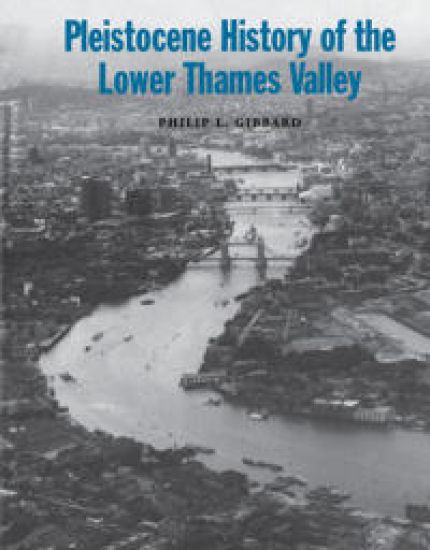
Pleistocene History of the Lower Thames Valley

Philip L. Gibbard

Cambridge University Press
1994
sidottu
The Lower Thames Valley is a classic area for British Pleistocene studies. The valley contains a sequence of River Thames deposits representing approximately the last 300,000 years, including older, highly fragmented and eroded sediments derived from Thames tributaries and glaciation. The region includes some of the most important palaeolithic archaeological sites in the country which, although extensively studied, have never previously been fitted into a regional context. The area also includes some of the most important fossiliferous localities in the country, several of which have been at the centre of controversies regarding the sequence of events in the British Pleistocene. This regional investigation clarifies the problems by presenting the geological sequence in detail and establishing the relationship of these localities for the first time.