Kirjojen hintavertailu – 12 903 725 kirjaa ja 27 kauppaa
Kirjailija
Philip Monte
Kirjat ja teokset yhdessä paikassa: 6 kirjaa, julkaisuja vuosilta 2020–2026, suosituimpiin kuuluu The Down to the Countryside Campaign and Return to the City Movement. Vertaile teosten hintoja ja tarkista saatavuus suomalaisista kirjakaupoista.
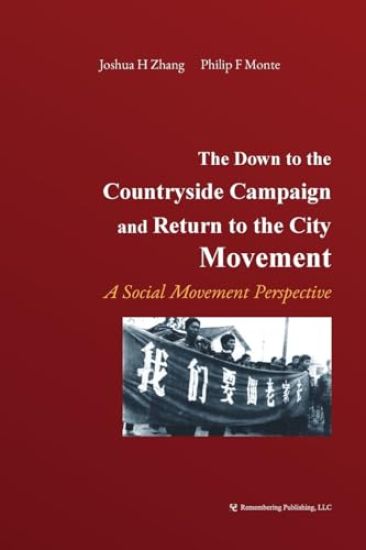
Using a social movement perspective, this monograph demonstrates the differences between the Return to the City Movement by the Chinese educated youths - the only successful social movement by the Chinese people since the establishment of the communist regime - and the Down to the Countryside Campaign by the Chinese Communist Party. Grounded in data collected via an unprecedented survey research effort involving respondents who lived through these historic events, the monograph explores the emotional impact upon the educated youths of being forced to the countryside, the directions and forms of their resettlement, work, income, mentality, marriage/love, and relationship with local peasants while in the countryside, timelines and methods involved in returning to the city, their final occupations, children's fulfillment, current perceptions of urban life, evaluation of the campaign and their experiences in the countryside. The authors also summarize the lessons learned from the Return to the City Movement, providing references for Chinese social movements in the future.
Using a social movement perspective, this monograph demonstrates the differences between the Return to the City Movement by the Chinese educated youths - the only successful social movement by the Chinese people since the establishment of the communist regime - and the Down to the Countryside Campaign by the Chinese Communist Party. Grounded in data collected via an unprecedented survey research effort involving respondents who lived through these historic events, the monograph explores the emotional impact upon the educated youths of being forced to the countryside, the directions and forms of their resettlement, work, income, mentality, marriage/love, and relationship with local peasants while in the countryside, timelines and methods involved in returning to the city, their final occupations, children's fulfillment, current perceptions of urban life, evaluation of the campaign and their experiences in the countryside. The authors also summarize the lessons learned from the Return to the City Movement, providing references for Chinese social movements in the future.
Based on a unique survey of Chinese respondents, the authors find that participation in social movements during the Cultural Revolution was motivated by the desire to improve social status or maintain existing positions in the social hierarchy. A strong relationship is noted between factional alignment and family background in provinces immersed in class-based struggle; however, the association becomes nil in provinces where sectarian struggle was grounded in class. The authors assert that the social conflict school has failed to adequately examine sectarian internecine fights among rebels in attempts to explain the mass movements, while the political process school has ignored fundamental social conflicts embedded in Chinese society. Potential pitfalls likely to confront future mass movements are identified.
Based on a large-scale survey, it is found that during the Cultural Revolution masses took part in the movements to either improve their social status or maintain their social positions. In the provinces immersed in class based struggles, there was strong relationship between faction alignment and family background. Nevertheless, in the provinces involved in non-class based sectarian struggles, the association between the two was nil. The social conflict school failed to notice the sectarian internecine fights among rebels while the political process school failed to pay attention to the fundamental social conflicts in China. The book summarize the lessons learned from the self destruction of the mass movements and point out pitfalls for the future social movements in China.