

Kirjailija
Philip Smith
Kirjat ja teokset yhdessä paikassa: 81 kirjaa, julkaisuja vuosilta 1983–2026, suosituimpiin kuuluu Incivility. Vertaile teosten hintoja ja tarkista saatavuus suomalaisista kirjakaupoista.
81 kirjaa
Kirjojen julkaisuvuodet: 1983–2026.

A History of the World from the Earliest Records to the Present Time
Philip Smith
Hansebooks
2017
pokkari
A History of the World from the Earliest Records to the Present Time - (Volume 2) is an unchanged, high-quality reprint of the original edition of 1865. Hansebooks is editor of the literature on different topic areas such as research and science, travel and expeditions, cooking and nutrition, medicine, and other genres. As a publisher we focus on the preservation of historical literature. Many works of historical writers and scientists are available today as antiques only. Hansebooks newly publishes these books and contributes to the preservation of literature which has become rare and historical knowledge for the future.



The horror of the Holocaust lies not only in its brutality but in its scale and logistics; it depended upon the machinery and logic of a rational, industrialised, and empirically organised modern society. The central thesis of this book is that Art Spiegelman’s comics all identify deeply-rooted madness in post-Enlightenment society. Spiegelman maintains, in other words, that the Holocaust was not an aberration, but an inevitable consequence of modernisation. In service of this argument, Smith offers a reading of Spiegelman’s comics, with a particular focus on his three main collections: Breakdowns (1977 and 2008), Maus (1980 and 1991), and In the Shadow of No Towers (2004). He draws upon a taxonomy of terms from comic book scholarship, attempts to theorize madness (including literary portrayals of trauma), and critical works on Holocaust literature.


A History of Egypt Under the Pharaohs
Heinrich Karl Brugsch; Henry Danby Seymour; Philip Smith
Arkose Press
2015
sidottu
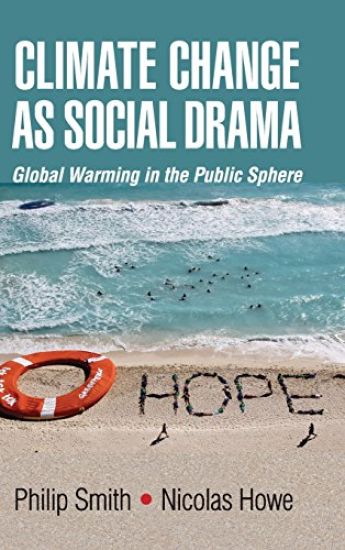
Climate change is not just a scientific fact, nor merely a social and political problem. It is also a set of stories and characters that amount to a social drama. This drama, as much as hard scientific or political realities, shapes perception of the problem. Drs Smith and Howe use the perspective of cultural sociology and Aristotle's timeless theories about narrative and rhetoric to explore this meaningful and visible surface of climate change in the public sphere. Whereas most research wants to explain barriers to awareness, here we switch the agenda to look at the moments when global warming actually gets attention. Chapters consider struggles over apocalyptic scenarios, explain the success of Al Gore and An Inconvenient Truth, unpack the deeper social meanings of the climate conference and 'Climategate', critique failed advertising campaigns and climate art, and question the much touted transformative potential of natural disasters such as Superstorm Sandy.
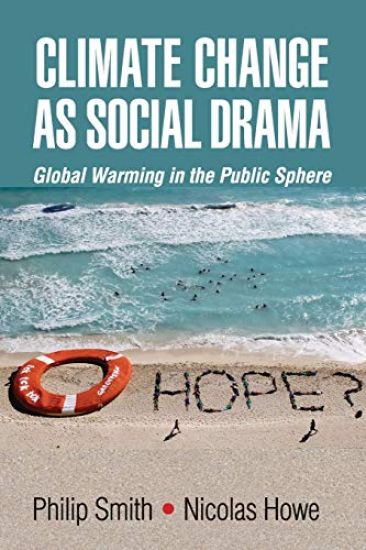
Climate change is not just a scientific fact, nor merely a social and political problem. It is also a set of stories and characters that amount to a social drama. This drama, as much as hard scientific or political realities, shapes perception of the problem. Drs Smith and Howe use the perspective of cultural sociology and Aristotle's timeless theories about narrative and rhetoric to explore this meaningful and visible surface of climate change in the public sphere. Whereas most research wants to explain barriers to awareness, here we switch the agenda to look at the moments when global warming actually gets attention. Chapters consider struggles over apocalyptic scenarios, explain the success of Al Gore and An Inconvenient Truth, unpack the deeper social meanings of the climate conference and 'Climategate', critique failed advertising campaigns and climate art, and question the much touted transformative potential of natural disasters such as Superstorm Sandy.

Despite all the jokes about the poor quality of physician handwriting, physician adoption of computerized provider order entry (CPOE) in hospitals still lags behind other industries’ use of technology. As of the end of 2010, less than 22% of hospitals had deployed CPOE. Yet experts claim that this technology reduces over 80% of medication errors and could prevent an estimated 522,000 serious medication errors annually in the US. Even though the federal government has offered $20 billion dollars in incentives to hospitals and health systems through the 2009 stimulus (the ARRA HITECH section of the American Recovery and Reinvestment Act of 2009), many organizations are struggling to implement advanced clinical information systems including CPOE. In addition, industry experts estimate that the healthcare industry is lacking as many as 40,000 persons with expertise in clinical informatics necessary to make it all happen by the 2016 deadline for these incentives. While the scientific literature contains numerous studies and stories about CPOE, no one has written a comprehensive, practical guide like Making CPOE Work. While early adopters of CPOE were mainly academic hospitals, community hospitals are now proceeding with CPOE projects and need a comprehensive guide. Making CPOE Work is a book that will provide a concise guide to help both new and experienced health informatics teams successfully plan and implement CPOE. The book, in a narrative style, draws on the author's decade-long experiences of implementing CPOE at a variety of academic, pediatric and community hospitals across the United States.

Dutch Oven Cookbook. Easy recipes about the Art of Slow Cooking
Philip Smith
Createspace Independent Publishing Platform
2014
nidottu
DUTCH OVEN COOKBOOK Whether you're an avid user of your Dutch Oven or you're a novice wanting to dust off what will soon become the best cookware item in your kitchen, the Dutch Oven Cookbook is an invaluable tool in making lip-smacking good meals for yourself and your loved ones. A vast collection of 78 mouth-watering recipes covering breads, soups, main courses and desserts. Order your copy now Start putting your Dutch Oven to good use. Here is the list of the topics covered and the recipes which will become a staple in your kitchen: TOPICS COVERED: Origins - Types - How to Clean & Season - Cooking - Secrets & Tips RECIPES: Chicken a la Moroccan - Middle Eastern Vegetable Curry - Beef Stew Saucy Pork Chops - Vegan Corn Chowder - Chick'n Chorizo Chili Buttermilk Fried Chicken - Blood Mary Short Ribs - Creamy Beef Pasta Slow Cooked Chicken & Rice - Easy Peasy Bread - Saudi Chicken and Rice Seafood Gumbo with Okra - Short Rib and Cauliflower Curry - Cranberry Pot Roast Drunken Chicken & Rice - Bacon Flavored Chicken & Potatoes - Lamb Ragu Mushroom Risotto - Chicken in Coconut Milk - Lamb, Bean & Bulgur Stew Peppery Pork Stew - Fish Chowder - Golden Lentil Stew - Dutch Oven Pilaf Pho in a Dutch Oven - Banana Bread - Dutch Oven Buttermilk Cornbread Monkey Bread - Jalapeno Cornbread - Gingerbread - Orange-Tomato Couscous with Chicken Root Vegetable Stew with Herbed Dumplings - Braised Winter Vegetables Pasta Hard Cider-Braised Lamb Shanks - Autumn Chicken Stew - Seeded Multigrain Boule Braised Beef and Mushrooms - Asopao de Pollo - Braised Lamb Shanks and Eggplant Vinegar-Braised Chicken and Onions - Braised Lamb Shanks with Fennel and Baby Potatoes Tortilla Soup - Curried Beef Stew - Chicken Meatballs with Braised Lemon and Kale White Bean and Pasta Soup - Soy-Braised Short Ribs with Shiitakes - Goulash Beer-Battered Fish and Chips - Fried Chicken Wings - Braised Oxtail - Asparagus Soup Brunswick Stew - Winter Minestrone - Cheese Breakfast Casserole - Ribollita Soup Cornbread with Fig Jam - Cherry Clafouti - Bananas Foster Cake - Damper - Festive Bread Pudding Cranberry-Topped Cheesecake - Blackberry Cobbler - Honey Bun Cake - Amish Cinnamon Bread Pineapple Upside-Down Cake - Olive and Cheese Bread - No Knead Bread S'more Cake - Dutch Oven Pancakes Recipe - Condensed Milk Gluten Free Cake Recipe Black Cherry Chocolate Cobbler - Boozy Lavender Sticky Buns - Cinnamony Apple Crisp Nutty Apple Crisp - Crunchy Oat and Fruit Crisp - Snap Brownies - Bread Pudding Enjoy your meals
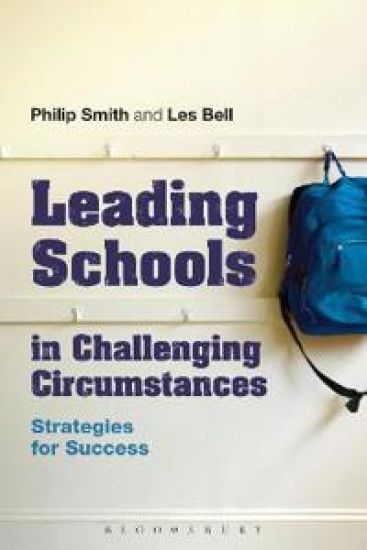
Leading Schools in Challenging Circumstances
Philip Smith; Les Bell
Bloomsbury Academic USA
2014
sidottu
The leadership of schools can make a significant difference to enhancing the life chances of students in schools and enabling them to succeed. This book examines leadership within schools, focusing on securing success within a challenging social and political environment. It explores the approaches to leadership adopted by four successful secondary school headteachers in a local authority situated in an area of high social deprivation and identifies the impact the headteachers of these schools have on staff, students and community. It analyses the key leadership strategies of these successful school leaders, strategies that can be deployed in all schools, and explores the links between leadership theories and leadership actions. The book goes on to examine how these strategies were actually implemented in a failing school in challenging circumstances and shows how other schools might benefit from such strategies and the insights on which they are based.
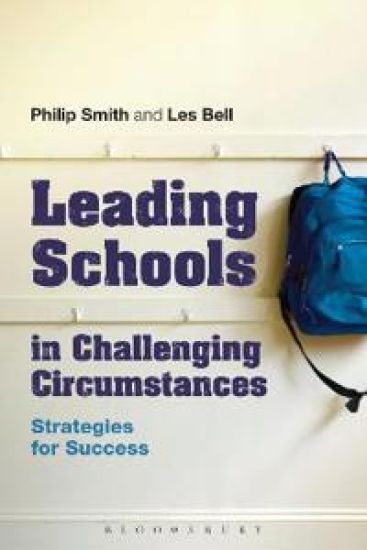
Leading Schools in Challenging Circumstances
Philip Smith; Les Bell
Bloomsbury Academic USA
2014
nidottu
The leadership of schools can make a significant difference to enhancing the life chances of students in schools and enabling them to succeed. This book examines leadership within schools, focusing on securing success within a challenging social and political environment. It explores the approaches to leadership adopted by four successful secondary school headteachers in a local authority situated in an area of high social deprivation and identifies the impact the headteachers of these schools have on staff, students and community. It analyses the key leadership strategies of these successful school leaders, strategies that can be deployed in all schools, and explores the links between leadership theories and leadership actions. The book goes on to examine how these strategies were actually implemented in a failing school in challenging circumstances and shows how other schools might benefit from such strategies and the insights on which they are based.

Large print anthology contains some of the most popular poems in the English language, including Shakespeare's "Shall I compare thee to a summer's day?," Marvell's "To His Coy Mistress," Frost's "The Road Not Taken," as well as works by Blake, Wordsworth, Byron, Shelley, Keats, Browning, Whitman, Dickinson, Yeats, Pound, and many others.

Despite all the jokes about the poor quality of physician handwriting, physician adoption of computerized provider order entry (CPOE) in hospitals still lags behind other industries’ use of technology. As of the end of 2010, less than 22% of hospitals had deployed CPOE. Yet experts claim that this technology reduces over 80% of medication errors and could prevent an estimated 522,000 serious medication errors annually in the US. Even though the federal government has offered $20 billion dollars in incentives to hospitals and health systems through the 2009 stimulus (the ARRA HITECH section of the American Recovery and Reinvestment Act of 2009), many organizations are struggling to implement advanced clinical information systems including CPOE. In addition, industry experts estimate that the healthcare industry is lacking as many as 40,000 persons with expertise in clinical informatics necessary to make it all happen by the 2016 deadline for these incentives. While the scientific literature contains numerous studies and stories about CPOE, no one has written a comprehensive, practical guide like Making CPOE Work. While early adopters of CPOE were mainly academic hospitals, community hospitals are now proceeding with CPOE projects and need a comprehensive guide. Making CPOE Work is a book that will provide a concise guide to help both new and experienced health informatics teams successfully plan and implement CPOE. The book, in a narrative style, draws on the author's decade-long experiences of implementing CPOE at a variety of academic, pediatric and community hospitals across the United States.

Why did America invade Iraq? Why do nations choose to fight certain wars and not others? How do we bring ourselves to believe that the sacrifice of our troops is acceptable? For most, the answers to these questions are tied to struggles for power or resources and the machinations of particular interest groups. Philip Smith argues that this realist answer to the age - old ''why war'' question is insufficient. Instead, Smith suggests that every war has its roots in the ways we tell and interpret stories. Comprised of case studies of the War in Iraq, the Gulf War, and the Suez Crisis, Why War? decodes the cultural logic of the narratives that justify military action. Each nation, Smith argues, makes use of binary codes - good and evil, sacred and profane, rational and irrational, to name a few. These codes, in the hands of political leaders, activists, and the media, are deployed within four different types of narratives - mundane, tragic, romantic, or apocalyptic. With this cultural system, Smith is able to radically recast our ''war stories'' and show how nations can have vastly different understandings of crises as each identifies the relevant protagonists and antagonists, objects of struggle, and threats and dangers. The large - scale sacrifice of human lives necessary in modern war, according to Smith, requires an apocalyptic vision of world events.

Theorist Clifford Geertz's influence extends far beyond Anthropology. This volume reflects the breadth of his influence, looking at Geertz as a theorist rather than as an anthropologist. To date there has been no impartial, comprehensive, and authoritative work published on this critical figure.

Theorist Clifford Geertz's influence extends far beyond Anthropology. This volume reflects the breadth of his influence, looking at Geertz as a theorist rather than as an anthropologist. To date there has been no impartial, comprehensive, and authoritative work published on this critical figure.
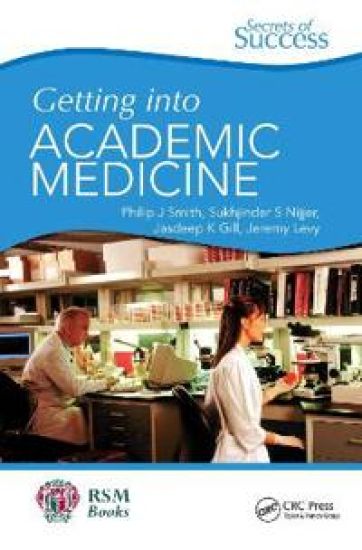
Secrets of Success: Getting into Academic Medicine
Philip Smith; Jasdeep Gill; Sukhjinder Nijjer; Jeremy Levy
Royal Society of Medicine Press Ltd
2011
nidottu
Getting into Academic Medicine provides a comprehensive yet accessible guide for all doctors who are training to gain postgraduate qualifications and further their academic career. It explains what an academic career involves from diploma and masters courses through to completing a PhD and holding professional positions. How to prepare the ideal successful application so that you stand out in the crowdRoutes and options available so that you can decide which path to takeMentorship guidance to steer you through possible career pathwaysPractical advice, hints, tips, pearls of wisdom to help succeed in a competitive landscapeSpecific, relevant examples will help you avoid common pitfallsInspirational and encouraging this text presents an essential survival guide preparing the candidate with background knowledge and critical advice on the dos and don'ts of obtaining an academic post.