Kirjojen hintavertailu – 12 903 725 kirjaa ja 27 kauppaa

Kirjailija

Philippe Aries

Kirjat ja teokset yhdessä paikassa: 5 kirjaa, julkaisuja vuosilta 1975–2021, suosituimpiin kuuluu Istorija chastnoj zhizni. V 5 tomakh. Tom 1. Ot Rimskoj imperii do nachala vtorogo tysjacheletija. Vertaile teosten hintoja ja tarkista saatavuus suomalaisista kirjakaupoista.

Nimi esiintyy myös muodoissa: Philippe Ariès

5 kirjaa

Kirjojen julkaisuvuodet: 1975–2021.

Istorija chastnoj zhizni. Tom 3. Ot Renessansa do epokhi Prosveschenija

Istorija chastnoj zhizni. Tom 3. Ot Renessansa do epokhi Prosveschenija

Roger Chartier; Iv Kastan; Philippe Aries

Novoe literaturnoe obozrenie
2021
sidottu
Pjatitomnaja "Istorija chastnoj zhizni" - vseobemljuschee issledovanie, sozdannoe v 1980-e gody gruppoj frantsuzskikh, britanskikh i amerikanskikh uchenykh pod rukovodstvom proslavlennykh istorikov iz Shkoly "Annalov" - Filippa Aresa i Zhorzha Djubi. Pjatitomnik okhvatyvaet vsju istoriju Zapada s Antichnosti do kontsa XX veka. V tretem tome rasskazyvaetsja o tom, kak Evropa i Amerika vstupajut v Novoe vremja: osoznanie idei individualnosti, rasprostranenie gramotnosti, religioznaja Reformatsija okazyvajut vlijanie na chastnuju zhizn, vpervye pozvoljaja sdelat ee po-nastojaschemu privatnoj, menjaja otnoshenie k braku, detjam i druzhbe, vere, etiketu i politike. Perevodchik: Nekljudova M., Panajotti O. P. Redaktor: Ares Filipp, Djubi Zhorzh
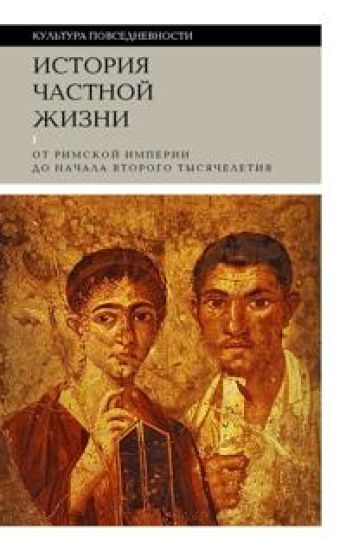
Istorija chastnoj zhizni. V 5 tomakh. Tom 1. Ot Rimskoj imperii do nachala vtorogo tysjacheletija
Pjatitomnaja "Istorija chastnoj zhizni" - vseobemljuschee issledovanie, sozdannoe v 1980-e gody gruppoj frantsuzskikh, britanskikh i amerikanskikh uchenykh pod rukovodstvom proslavlennykh istorikov iz Shkoly "Annalov" - Filippa Aresa i Zhorzha Djubi. Pjatitomnik okhvatyvaet vsju istoriju Zapada s Antichnosti do kontsa XX veka. V pervom tome - chastnaja zhizn Drevnego Rima, srednevekovoj Evropy, Vizantii: sistemy sotsialnykh vzaimootnoshenij, razitelno ne pokhozhikh na izvestnye nam. Analiz institutov semi i rabovladenija, religii i zakonotvorchestva, byta i arkhitektury pozvoljaet gluboko ponjat transformatsii kak uklada chastnoj zhizni, tak i evropejskoj mentalnosti, a takzhe vysvechivaet vechnyj konflikt chastnogo i obschestvennogo. Perevod sdelan po dopolnennomu izdaniju 1999 goda. Zhorzh Djubi (1919-1996) - frantsuzskij istorik-medievist, prinadlezhal k shkole "Annalov". Uchenik izvestnogo istorika-medievista Sharlja Edmona Perrena. Prepodaval v Bezansone i Eks-an-Provanse, poluchil doktorskuju stepen v Sorbonne. V 1974 godu byl prinjat v Akademiju nadpisej i izjaschnoj slovesnosti, v 1987 godu - vo Frantsuzskuju akademiju. Chlen Korolevskoj akademii frantsuzskogo jazyka i literatury Belgii. Ares Filipp Filipp Ares (1914-1984) - frantsuzskij istorik, avtor rabot po istorii povsednevnosti, semi i detstva. Naibolee izvestna ego kniga "Chelovek pered litsom smerti". Bolshuju chast zhizni Ares ne imel akademicheskogo statusa: pochti sorok let on prorabotal na rukovodjaschej dolzhnosti v departamente, zanimajuschemsja importom vo Frantsiju tropicheskikh fruktov. Sam sebja Ares nazyval "voskresnym istorikom". Lish v 1978 godu on poluchil akademicheskoe priznanie i post v Vysshej shkole sotsialnykh nauk.
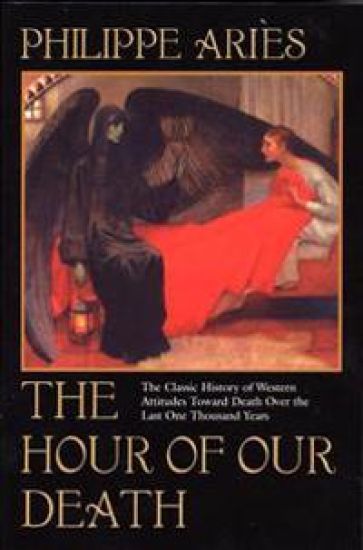
The Hour of Our Death: The Classic History of Western Attitudes Toward Death Over the Last One Thousand Years
An "absolutely magnificent" book (The New Republic)--the fruit of almost two decades of study--that traces the changes in Western attitudes toward death and dying from the earliest Christian times to the present day. A truly landmark study, The Hour of Our Death reveals a pattern of gradually developing evolutionary stages in our perceptions of life in relation to death, each stage representing a virtual redefinition of human nature. Starting at the very foundations of Western culture, the eminent historian Phillipe Ari s shows how, from Graeco-Roman times through the first ten centuries of the Common Era, death was too common to be frightening; each life was quietly subordinated to the community, which paid its respects and then moved on. Ari s identifies the first major shift in attitude with the turn of the eleventh century when a sense of individuality began to rise and with it, profound consequences: death no longer meant merely the weakening of community, but rather the destruction of self. Hence the growing fear of the afterlife, new conceptions of the Last Judgment, and the first attempts (by Masses and other rituals) to guarantee a better life in the next world. In the 1500s attention shifted from the demise of the self to that of the loved one (as family supplants community), and by the nineteenth century death comes to be viewed as simply a staging post toward reunion in the hereafter. Finally, Ari s shows why death has become such an unendurable truth in our own century--how it has been nearly banished from our daily lives--and points out what may be done to "re-tame" this secret terror. The richness of Ari s's source material and investigative work is breathtaking. While exploring everything from churches, religious rituals, and graveyards (with their often macabre headstones and monuments), to wills and testaments, love letters, literature, paintings, diaries, town plans, crime and sanitation reports, and grave robbing complaints, Aries ranges across Europe to Russia on the one hand and to England and America on the other. As he sorts out the tangled mysteries of our accumulated terrors and beliefs, we come to understand the history--indeed the pathology--of our intellectual and psychological tensions in the face of death.