Kirjojen hintavertailu – 12 903 725 kirjaa ja 27 kauppaa
Kirjailija
Philippe Sands
Kirjat ja teokset yhdessä paikassa: 46 kirjaa, julkaisuja vuosilta 2006–2027, suosituimpiin kuuluu Talo Londres-kadulla - Pinochet Lontoossa ja natsrikollinen Patagoniassa. Vertaile teosten hintoja ja tarkista saatavuus suomalaisista kirjakaupoista.
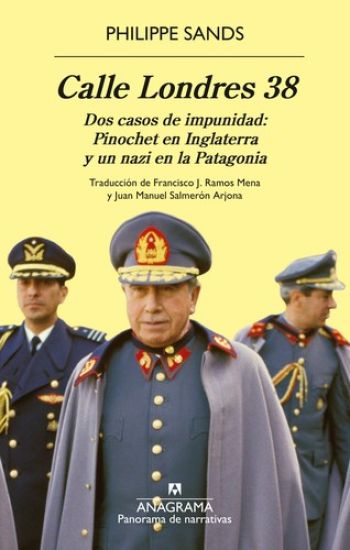
Philippe Sandsin uuden kirjan päähenkilöt ovat aikanaan Chileä diktaattorina hallinnut Augusto Pinochet ja oikeutta Etelä-Amerikkaan paennut pahamaineinen SS-upseeri Walther Rauff. Näiden miesten elämäntarinat kietoutuvat toisiinsa synkällä tavalla: menneisyyden rikokset eivät ole haalistuneet, vaan päinvastoin ruokkivat uusia. Sands on kirjoittanut huikean tositarinan, joka yhdistelee muistelmia, kutkuttavaa jännityskertomusta, oikeussalidraamaa ja matkakuvauksia. Lopulta kyse on muistista, oikeudesta ja siitä, mikä on rankaisemattomuuden paino.
Seventy years after the adoption of the 1951 Refugee Convention, the UK is guilty of undermining the very principles of asylum, inhumanely detaining those seeking protection and ushering in sweeping changes that threaten to punish refugees at every turn. But the UK’s immigration system is not alone in committing such breaches of human rights. The fourth volume of Refugee Tales explores our present international environment, combining author re-tellings with first-hand accounts of individuals who have been detained across the world. As the coronavirus pandemic defies borders – leaving those who are detained even more vulnerable – this collection shares stories spanning Canada, Greece, Italy, Switzerland and the UK, and calls for international insistence on a future without detention. Featuring a prologue by Baroness Shami Chakrabarti. The fourth volume in the Refugee Tales series, proceeds from the sales of which go to two refugee charities.
Telling the story of the landmark international judgement that brought an end to Britain's colonial rule in Africa, THE LAST COLONY is a riveting, enraging and beautifully rendered history of international law by the bestselling author of EAST WEST STREET and THE RATLINE
In this short, accessible guide to the most important legal quest of our lifetime, world-renown international lawyer Philippe Sands explores the historic creation of the law of ecocide and it's potential to combat climate catastrophe. Through a compelling blend of legal analysis and environmental advocacy, Sands argues for the recognition of ecocide as an international crime, akin to genocide and war crimes. By holding corporations and governments accountable for their destructive actions, this pioneering legal framework could halt environmental degradation and foster a global commitment to sustainable practices. With characteristic clarity, insight and engaging storytelling, Sands illustrates how the law of ecocide might be our last hope to avert an impending climate disaster and secure a liveable future for generations to come.
A SUNDAY TIMES BOOK OF THE DECADE AND WINNER OF: The Baillie Gifford Prize The JQ-Wingate Literary Prize The British Book Awards Non-fiction Book of the Year The Hay Festival Medal for Prose 'One of the most gripping and powerful books imaginable' DOMINIC SANDBROOK, SUNDAY TIMES When he receives an invitation to deliver a lecture in the Ukrainian city of Lviv, international lawyer Philippe Sands begins a journey on the trail of his family's secret history. In doing so, he uncovers an astonishing series of coincidences that lead him halfway across the world, to the origins of international law at the Nuremberg trial. In an influential blend of memoir and detective story that broke new ground in the way history could be told and sparked a bestselling trilogy, East West Street meditates powerfully on the way memory, crime and guilt leave scars across generations. Newly updated by the author, this anniversary edition brings this monumental classic up to date for a new era - one in which its questions of truth, memory and justice have never been more timely.
Da juristen Philippe Sands rejser til Lviv i Ukraine, åbnes en ukendt dør til hans familiehistorie. Som mange andre jøder flygtede hans morfar fra byen, da nazisterne indtog den under Anden Verdenskrig. Sands drages af morfarens historie og opdager undervejs, at de to jurister, som uafhængigt af hinanden formulerede begreberne ’folkedrab’ og ’forbrydelser mod menneskeheden’, også havde forbindelser til netop denne by i skæringspunktet mellem Øst- og Vesteuropa. En tryllebindende personlig fortælling og noget så sjældent som en pageturner om vores internationale retsorden. Philippe Sands (f. 1960) er forfatter, advokat og professor i jura ved University College London. Han har vundet talrige priser for sit virke som forfatter, bl.a. British Book Award. Fra Lviv til Nürnberg er oversat til mere end 20 sprog.
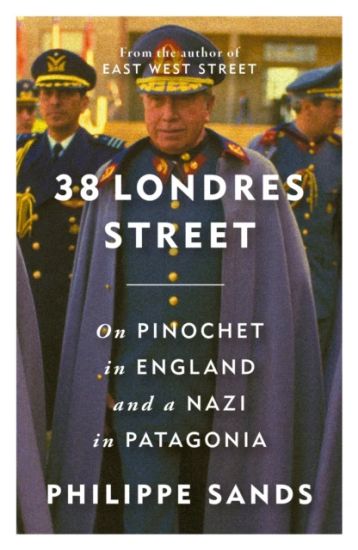
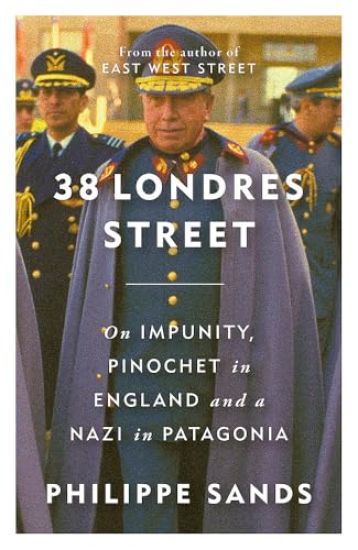
In 38 Londres Street, Philippe Sands blends personal memoir, historical detective work and gripping courtroom drama to probe a secret double story of mass murder, one that reveals a shocking thread that links the horrors of the 1940s with those of our own times. The house at 38 Londres Street is home to the legacies of two men whose personal stories span continents, nationalities and decades of atrocity: Augusto Pinochet, President of Chile, and Walther Rauff, a Nazi SS officer responsible for the use of gas vans. On the run from justice at the end of the Second World War, Rauff crosses the ocean to southern Chile. He settles in Punta Arenas, Patagonia, managing a king crab cannery at the end of the world. But there are whispers about this discreet and self-possessed German - rumours of a second career with Pinochet's secret intelligence service, the dreaded DINA. In 1998, Pinochet is in a London medical clinic when the police enter his room and arrest him on charges of crimes against humanity and genocide. Philippe Sands is called to advise the former head of state on his claim to immunity, but will instead represent a human rights organisation against him. Years later, Sands makes a discovery while working on another book which reignites his interest in the case and leads to a decades-long investigation into Pinochet's crimes, his unexpected connection to Rauff and the former Nazi's possible connection to Chile's disappeared.
In this intimate legal and historical detective story, the world-renowned lawyer and acclaimed author of East West Street traces the footsteps of two of the twentieth century's most merciless criminals--accused of genocide and crimes against humanity--testing the limits of immunity and impunity after Nuremberg. "Though nearly a decade in the making, this book could not arrive at a better time, because its subject is one of the most pressing themes of our era: impunity. . . . Sands has created an indelible and enthralling work of moral witness." --Patrick Radden Keefe, author of Say Nothing On the evening of October 16, 1998, Chilean dictator Augusto Pinochet was arrested at a medical clinic in London. After a brutal, seventeen-year reign marked by assassinations, disappearances, and torture--frequently tied to the infamous detention center at the heart of Santiago, Londres 38--Pinochet was being indicted for international crimes and extradition to Spain, opening the door to criminal charges that would follow him to the grave, in 2006. Three decades earlier, on the evening of December 3, 1962, SS-Commander Walter Rauff was arrested in his home in Punta Arenas, at the southern tip of Chile. As the overseer of the development and use of gas vans in World War II, he was indicted for the mass murder of tens of thousands of Jews and faced extradition to West Germany. Would these uncommon criminals be held accountable? Were their stories connected? The Nuremberg Trials--where Rauff's crimes had first been read into the record, in 1945--opened the door to universal jurisdiction, and Pinochet's case would be the first effort to ensnare a former head of state. In this unique blend of memoir, courtroom drama, and travelogue, Philippe Sands gives us a front row seat to the Pinochet trial--where he acted as a barrister for Human Rights Watch--and teases out the dictator's unexpected connection to a leading Nazi who ended up managing a king crab cannery in Patagonia. A decade-long journey exposes the chilling truth behind the lives of two men and their intertwined destinies on 38 Londres Street.
Den 17 oktober 1998 arresteras Augusto Pinochet oväntat i London. Åklagaren menar att den forne diktatorns immunitet inte gäller. Händelsen blir en världsnyhet. En av de advokater som kontaktas i ärendet är Philippe Sands, som ska komma att representera Human Rights Watch, efter att han avböjt att bistå Pinochet. Det är startskottet för en undersökning som senare leder Sands till adressen Londres 38 i Santiago. Efter Pinochets kupp 1973 var det en ökänd byggnad – den som fördes dit för förhör återvände sällan. Men spåren leder också till nazisten och krigsförbrytaren Walther Rauff, som flydde till Chile och senare erbjöd juntan sina tjänster. På något sätt hänger allt samman i denna personliga detektivberättelse om den vindlande vägen till enmöjlig rättvisa för diktaturens offer.
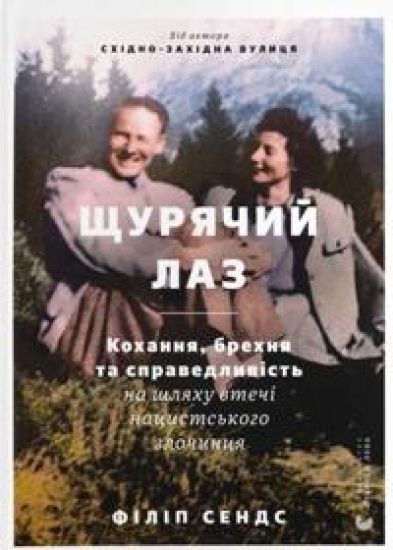
U tsomu zakhoplivomu, nevigadanomu trileri na osnovi realnikh podij Filip Sends proponuje unikalnu rozpovid pro zhittja natsistskogo grupenfjurera SS Otto Frajgera fon Vekhtera ta jogo druzhini Sharlotti. Doslidzhujuchi privatnij arkhiv simejnikh listiv i schodennikiv, vin rozkrivaje pravdive istorichne tlo pro zhittja do i pid chas vijni, pro vtechu v Alpi, perekhovuvannja v Rimi, a takozh pro chasi Kholodnoji vijni. Minaje bagato chasu pered tim, jak vidkrijutsja novi tajemnitsi, scho pereslidujut molodshogo sina Vekhtera, adzhe vin prodovzhuje viriti, scho jogo batko buv khoroshoju ljudinoju. Scho zh naspravdi trapilosja z Otto Vekhterom, koli vin ochikuvav na perepravu do Argentini cherez "schurjachij laz", zaruchivshis pidtrimkoju vatikanskogo jepiskopa? I scho krijetsja za raptovoju ta nespodivanoju smertju Vekhtera? Perevodchik Pavlo Migal
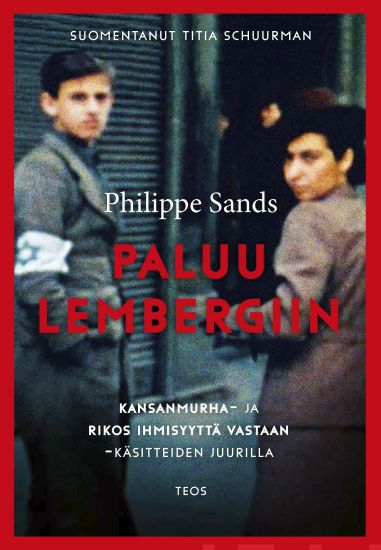
Kun ihmisoikeusjuristi Philippe Sands sai kutsun luennoimaan Ukrainaan, Lvivin kaupunkiin - joka sata vuotta aikaisemmin tunnettiin nimellä Lemberg -, hänelle alkoi paljastua odottamattomia historiallisia yhteensattumia. Ne johdattivat hänet tutkimaan nykyisen kansainvälisen rikosoikeuden alkuperää ja omaa sukuhistoriaansa lähtökohtanaan Nürnbergin oikeudenkäyntien viimeinen päivä. Yhtäältä kyse on kahdesta lviviläistaustaisesta juristista, Hersch Lauterpachtista ja Rafael Lemkinistä, joiden ponnistelujen ansiosta Nürnbergissä luettuihin syytteisiin sisällytettiin termit ”rikos ihmisyyttä vastaan” ja ”kansanmurha”. Heille valkeni vasta oikeudenkäynnin päätyttyä, että tuomittuihin kuulunut Hans Frank, miehitetyn Puolan natsijohtaja, oli vastuussa myös heidän omien perheidensä murhasta. Toisaalta Sands jäljittää oman sukunsa kohtaloita Lvivistä läntiseen Eurooppaan toisen maailmansodan kauhujen keskellä. Paluu Lembergiin on syvällinen ja koskettava tutkielma siitä, miten muisti, rikollisuus ja syyllisyys jättävät arpia sukupolvien yli. Kirja on saanut Baillie Gifford -palkinnon ja Prix Montaignen, minkä lisäksi se valittiin British Book Awards -kilpailussa vuoden tietokirjaksi 2017.