Kirjojen hintavertailu – 12 903 725 kirjaa ja 27 kauppaa
Kirjailija
Pierre-Laurent Chatain
Kirjat ja teokset yhdessä paikassa: 4 kirjaa, julkaisuja vuosilta 2008–2022, suosituimpiin kuuluu Preventing Money Laundering and Terrorist Financing, Second Edition. Vertaile teosten hintoja ja tarkista saatavuus suomalaisista kirjakaupoista.
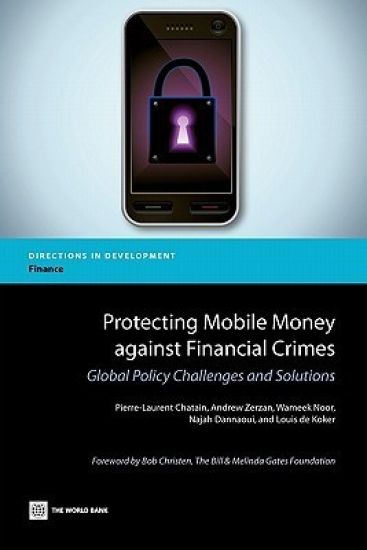
Mobile Money is a booming industry in an increasing number of countries worldwide. The project results from increased demand for guidance and technical assistance from governments after the 2008 publication of an exploratory paper, Integrity in Mobile Phone Financial Services, which discussed mobile money and the application of international anti-money laundering (AML) and combating the financing of terrorism (CFT) standards. For most, how to craft a regulatory regime that expands access to financial services to the poor through the development of mobile phone financial services, but compliant with AML/CFT standards remains elusive. Specific AML/CFT regulations related to mobile money have not been issued in many jurisdictions, mainly due to the lack of awareness of the risks these services can pose if the right controls are not in place. Because the international standards for AML/CFT, the Financial Action Task Force’s 40 + 9 Recommendations were designed and issued well before mobile money technology and business models became prevalent, even developed countries have begun to face challenges with their regulation. The project team aims to provide practical guidance to jurisdictions and the Industry on how to draft regulations and internal guidelines that allow them to comply with AML/CFT standards with enough flexibility for mobile money to thrive. Specifically, the paper (1) takes stock of new AML/CFT regulations and practices relevant to Mobile money, (2) design guidelines for drafting AML/CFT regulations that cover mobile money and (3) propose examples of best practices for the Industry to include AML/CFT in their own business model.
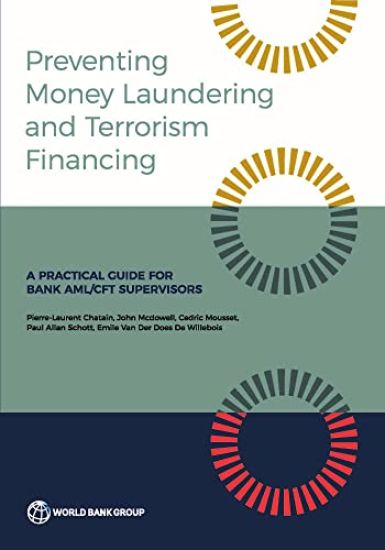
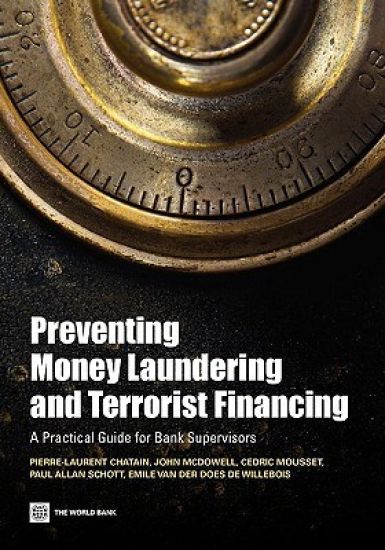
The current financial crisis poses many challenges to all countries and is having a significant impact on economies and societies throughout the world. The need for funds might lower financial institutions' vigilance as to the provenance of those funds. Supervisors also might prudently be focusing on coping with the crisis, affecting their supervision of measures for anti-money laundering and combating the financing of terrorism (AML/CFT). It will take increased efforts to ensure that AML/CFT concerns remain a priority for both banks and their supervisors. Effective supervision is central to the success of a country's AML/CFT system. However, fieldwork in both developed and developing countries has shown an overall low compliance in the supervision of banks and other financial institutions. In fact, supervisory compliance with AML/CFT recommendations is generally lower than the average level of compliance with other recommendations of the Financial Action Task Force (FATF). By providing examples of good practices, ""Preventing Money Laundering and Terrorist Financing"" will help countries improve AML/CFT supervision in the banking sector. This practical guide supports the implementation of international standards established by the FATF and other bodies by providing examples of AML/CFT supervisory regimes in both developed and developing countries, describing the implementation of good practices in AML/CFT supervision and enforcement, and giving practical advice on how a particular jurisdiction might incorporate AML/CFT into its supervisory regime. Designed specifically for bank supervisors, this guide will also be of interest to readers working in the areas of finance, corruption prevention, law, accounting, and corporate governance.
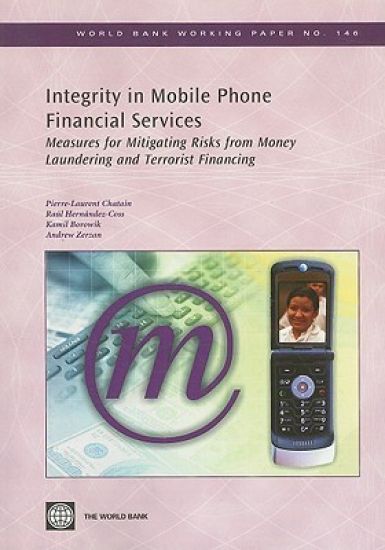
Governments are challenged to make an innovation-friendly climate while simultaneously ensuring that business development remain sustainable. Criminal use of the technology--terrorist financing and money laundering--challenges long-run business viability via risk of massive investment flight and public distrust of new players entering the market. Sustainable business models are those that base regulation on a careful risk-based analysis. This study identifies the perceived risks and compares them with the actual level of risk for each category of mobile phone financial services. The comparison reveals that the perceptions do not weigh up to the reality. Based on fieldwork in seven locations where the technology has taken off, this paper finds that providers apply measures that are consistent with international standards to combat money laundering and terrorist financing. It identifies the sometimes non-traditional means the industry uses that both mitigate the risks and are in line with good business practices. Acknowledging that mobile phone financial services are no riskier than other channels, governments are called to treat them as an opportunity to expand access to finance.