
Kirjailija
Pramod Kapoor
Kirjat ja teokset yhdessä paikassa: 4 kirjaa, julkaisuja vuosilta 2013–2025, suosituimpiin kuuluu Witness to Life & Freedom. Vertaile teosten hintoja ja tarkista saatavuus suomalaisista kirjakaupoista.
4 kirjaa
Kirjojen julkaisuvuodet: 2013–2025.
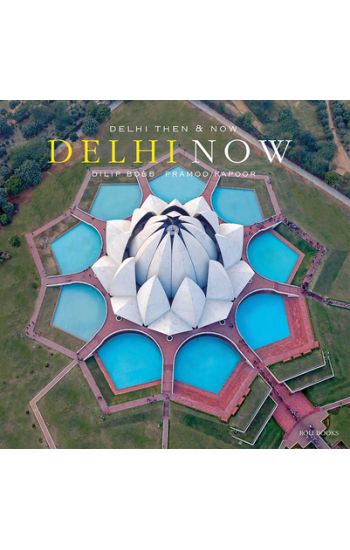
Delhi Then and Now comprises two masterful essays that trace the story of Delhi from the days when it was known by other names Indraprastha, Firozabad, Dinpanah to its reincarnation as New Delhi. Historian Narayani Gupta takes us through the city of Sultans, Mughal emperors and viceroys, while journalist Dilip Bobb shows us the face of New Delhi as it is now. A rich portfolio of archival photographs and illustrations, together with vibrant new pictures, edited by Pramod Kapoor, capture Delhi in all its glory past and present. Delhi Then - A city of empires and dynasties, Delhi through the ages has evoked nostalgia of its history written on the red sandstone walls. From Quila Rai Pithora to the palace on Raisina Hill, the changing face of Delhi is remarkably discernible in these photographs - a special collection that give words to the spoken and unspoken history of this city. Delhi Now - A city of dreams and desires, Delhi's urban landscape is incomplete without the stones of seven ancient cities which give it a distinct meaning, a distinct outlook. A modern city on the move, the colours and digital vibrancy of the photographs capturing Delhi in all moods and moments, is as imposing as the grand old structures of yesteryears. A twin city of old-world charm and new extravagance, Delhi has evolved through the ages and is looking forward to an era that will be remembered down the ages.
Calcutta Then Kolkata Now
Sunanda K Datta-Ray; Pramod Kapoor; Indrajit Hazra; Anshika Varma
Roli Books Pvt Ltd
2019
sidottu
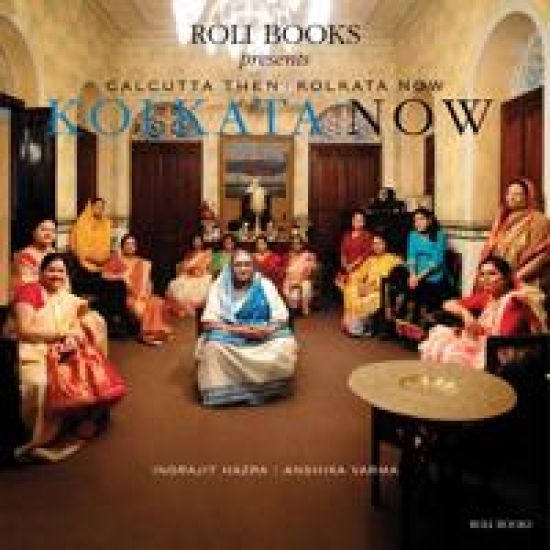
Calcutta Then: Calcutta is where it all began. The city symbolised India's transformation from medievalism to modernity. The British created the framework. The prophets and pioneers who operated within it were Indian. Raja Rammohan Roy linked past and present. After him came the poets, patriots and politicians. They made banian, boxwallah, bhadralok and biplab - trader, company executive, gentleman and revolutionary - the four props of the new metropolitan culture that inspired Gopal Krishna Gokhale's memorable comment, "What Bengal thinks today, India thinks tomorrow". Much water has flown down the Hooghly since then. But the lifestyle that evolved in the city is still the hallmark of success throughout the country. Calcutta was modern India's first capital, from 1772 to 1931. Announcing the shift to Delhi during his visit to Calcutta, King George V declared, "Calcutta must always remain the premier city of India. Its population, its importance as a commercial centre and great emporium of trade, its splendid historical traditions, all continue to invest Calcutta with a unique character which should preserve to it a pre-eminent position". Kolkata Now: Love it, endure it, call it what you will, Kolkata is Life as 'kháos' as no other city is. Once a bubble, holding out the rest of Bengal - and, indeed, India - it is today a city that contains a multitude of cities: Kolkata, Calcutta, Kalkatta . Its cosmopolitanism and liberal values are clichés because they are true, even as they stand witness to its past insurrections and present anomalies as much as to its genius to enjoy life - through pujo, mishti, Culture (always with a capital 'C'), neighbourhood addas, fajlami (innocent naughtiness), football and fish. For visitors and those who once left the city, it can be a walk through time, a ride on a tram, or a constant return to the scene of old happy crimes on Park Street, in its colonial-style clubs, or its sprawling mansions that exist cheek-by-jowl with malls and multiplexes. For the Kolkatan, Kolkata Now keeps its own beat and time, where everyday struggles and quibbles unerringly give way to the ability to live Life - both peripatetic and sedentary, bustling and empty, noisy and gone-quiet, Technicolor and Noir - in the 21st-century mahanagar as it moves, always pretending to succumb, to the future.
Witness to Life & Freedom
Pramod Kapoor; Gopalkrishna Gandhi; Vicki Goldberg
Roli Books Pvt Ltd
2013
sidottu
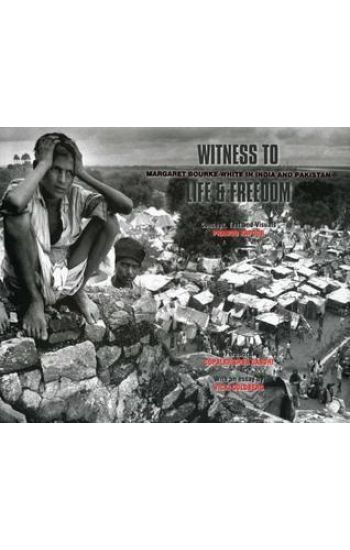
Margaret Bourke-White (1904-1971) was a pioneering American photojournalist. As staff photographer for the popular Life Magazine, she captured some of the defining moments of the twentieth century, which often took her to troubled spots around the world. She was the first female war correspondent, and covered combat during the Second World War. The first American to be allowed into the Soviet Union, she travelled through the country documenting its rapid industrialisation, and even managed to photograph Joseph Stalin at the Kremlin. Some of Margaret's most celebrated photographs were taken in India and Pakistan in 1947-48, as the two countries marched towards freedom from British colonial rule. She photographed the times and the leaders, including Mahatma Gandhi (who called her his 'torturer') and Muhammed Ali Jinnah. She was eyewitness to the migration of millions and the mayhem of communal violence that accompanied the subcontinent's partition into two independent nations. This body of work forms the focus of this book. Contents: Foreword; Preface; Introduction; India: A Pillar of Fire; Photo Essay.