Kirjojen hintavertailu – 12 903 725 kirjaa ja 27 kauppaa

Kirjailija

Preeti Pundir

Kirjat ja teokset yhdessä paikassa: 3 kirjaa, julkaisuja vuodelta 2020, suosituimpiin kuuluu Cellulolytic Bacteria. Vertaile teosten hintoja ja tarkista saatavuus suomalaisista kirjakaupoista.

3 kirjaa

Cellulolytic Bacteria

Cellulolytic Bacteria

Preeti Pundir; Menaka Salam; Parveen Kumar

LAP Lambert Academic Publishing
2020
pokkari
The use of cellulosic materials for second generation ethanol production would give several advantages such as minimizing the conflict between land use for food and fuel production, providing less expensive raw materials than conventional agricultural feedstock, allowing lower greenhouse gas emissions than those of first generation ethanol. However, cellulosic biofuels are not produced at a competitive level yet, mainly because of the high production costs of the cellulolytic enzymes. Therefore, this study was aimed to identify new cellulolytic micro-organisms.

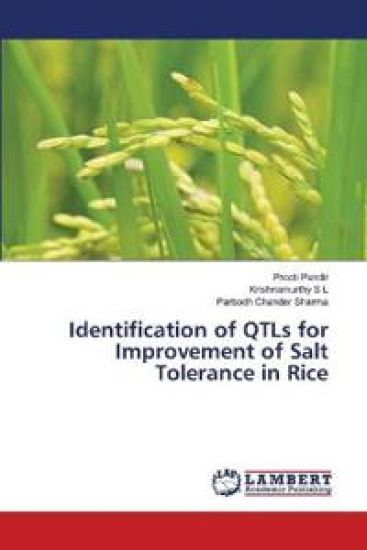
Identification of QTLs for Improvement of Salt Tolerance in Rice

Identification of QTLs for Improvement of Salt Tolerance in Rice

Preeti Pundir; Krishnamurthy S L; Parbodh Chander Sharma

LAP Lambert Academic Publishing
2020
pokkari
Rice is the basic alimentary food for quite half of the human population all over the world and the most consumed cereal grain. After maize and wheat, it is the third largest crop to quench the hunger of growing population. The abiotic stresses, such as salinity, heat, drought and chilling, unfavourably threaten crop production and causes significant yield loss in large areas. The rice is sensitive to salinity at both seedling and reproductive stage but the development of tolerance at reproductive stage is more significant as it reduces the grain yield more robustly than salinity at seedling stage. The identification of QTLs for increased salinity tolerance has beneficial consequences in agriculture. The identification of genomic regions that harbour QTLs, allows plant breeders to transfer the major and beneficial QTLs into high yielding or good quality rice varieties through marker-aided selection for crop improvement in breeding programs. The mapping of QTLs also assists population and quantitative geneticists to define the genetic architecture of growth related traits.