Kirjailija
Premchand
Kirjat ja teokset yhdessä paikassa: 35 kirjaa, julkaisuja vuosilta 2002–2026, suosituimpiin kuuluu Premchand ki 21 shresth Kahaniyan (Edition1st). Vertaile teosten hintoja ja tarkista saatavuus suomalaisista kirjakaupoista.
35 kirjaa
Kirjojen julkaisuvuodet: 2002–2026.
प्रेमचंद की रचनाएं साधारण से साधारण पाठकों पर भी अपना प्रभाव छोड़ती हैं। अतः यही कारण है कि प्रेमचंद भारतीय समाज के सबसे अधिक पढ़े जाने वाले साहित्यकार हैं। संग्राम उनके द्वारा लिखा गया एक बहुचर्चित नाटक है जो किसान वर्ग को समर्थित है। इस पुस्तक के माध्यम से किसानों को आर्थिक समस्याओं, पुलिस द्वारा प्रताड़ित करना, जमींदारों द्वारा शोषण, भ्रष्ट बाबाओं द्वारा किए जाने वाले झूठे चमत्कारों, जैसी समस्याओं को पाठकों के सामने रखने का प्रयास किया गया है।
"हमारे शिक्षालयों में नर्मी को घुसने ही नहीं दिया जाता। वहाँ स्थायी रूप से मार्शल लॉ का व्यवहार होता है। कचहरी में पैसे का राज है, हमारे स्कूलों में भी पैसे का राज है, उससे कहीं कठोर, कहीं निर्वय। देर में आइए तो जुर्माना, न आइए तो जुर्माना, सबक न बाद हो तो जुर्माना, किताबें न खरीद सकिए तो जुर्माना, कोई अपराध हो जाए तो जुर्माना, शिक्षालय क्या है, जुर्मानालय है। यही हमारी पश्चिमी शिक्षा का आवर्श है, जिसकी तारीफों के पुल बाँधे जाते हैं। यदि ऐसे शिक्षालयों से पैसे पर जान देने वाले, पैसे के लिए गरीबों का गला काटने वाले, पैसे के लिए अपनी आत्मा बेच देने वाले छात्र निकलते हैं. तो आश्चर्य क्या है?"
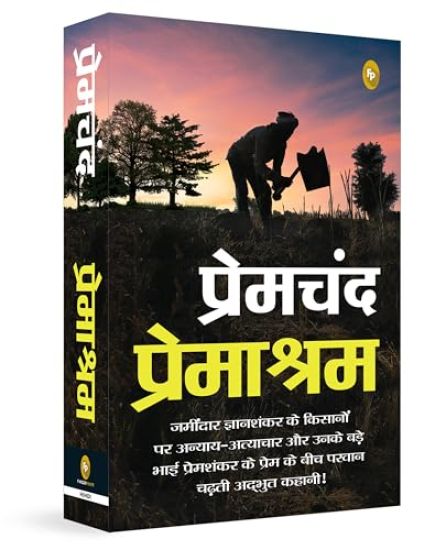
Premashram by Premchand is a powerful and poignant tale set in rural India during the colonial period. This timeless classic explores the deep struggles against entrenched societal norms, touching on critical themes such as caste, gender discrimination and social injustice. Premchand masterfully portrays the harsh realities faced by women in traditional Indian society, shedding light on the need for reform. Published in 1922, Premashram remains strikingly relevant today, resonating with ongoing conversations about social equality and women's empowerment. Experience Premchand's vision of reform. A significant work by Premchand, renowned for its unflinching portrayal of rural India's struggles during the colonial era. Addresses deep-rooted societal issues, making it a timeless critique of India's social structure. Courageously highlights the plight of women in a patriarchal society, advocating for social reform long before it became a widespread cause. The novel's compelling plot is built around personal struggles intertwined with larger societal issues, providing a nuanced commentary on class, caste and gender. Offers invaluable insight into India's socio-political landscape during the early 20th century, making it essential reading for scholars and those interested in literary activism.
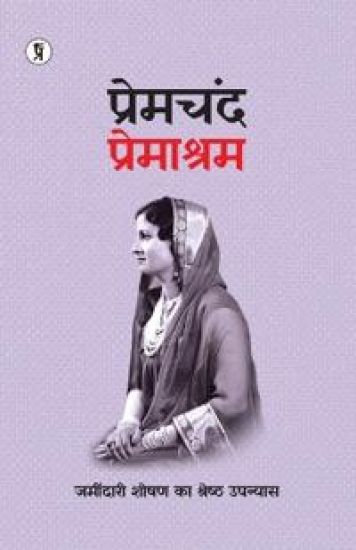
प्रेमाश्रम भारत के तेज और गहरे होते हुए राष्ट्रीय संघर्षों की पृष्ठभूमि में लिखा गया उपन्यास है। गांधीजी के सत्याग्रह आन्दोलन की इस कथा पर विशिष्ट छाप है। रौलेट एक्ट, पंजाब में सैनिक कानून और जलियाँवाला बाग का दिन इसके कथानक की पृष्ठभूमि में है। इस उपन्यास के नायक प्रेमशंकर नये मनुष्य का जो आदर्श प्रेमचंद की कल्पना में था, उसे मूर्त करते हैं। वह धैर्यवान और सहनशील है, किन्तु अन्याय के सम्मुख तिल-भर झुकने में असमर्थ है। उनका जन्म एक जमींदार कुल में हुआ था किन्तु किसान से उन्हें गहरी सहानुभूति है। इस उपन्यास में प्रेमचंद व्यापक स्तर पर किसान के उत्पीड़न का चित्र अंकित करते हैं। अनगिनत शोषक और ज्ञानशंकर आततायी किसान को चूसकर सूखा देने के लिए जुट गए हैं। ज्ञानशंकर मानो अन्याय का मूर्तिमान रूप है, किन्तु प्रेमशंकर अपनी गहरी मानवीयता और सदगुणों के कारण असत्य और अधर्म पर पूरी तरह विजयी होते हैं। उसकी अपनी पीड़ा शत्रुओं को मित्र बनाती है। वह प्रेमाश्रम की नींव डालते हैं, जहाँ मनुष्य भूमि की सेवा करते हुए समुचित फल पा सकता है।

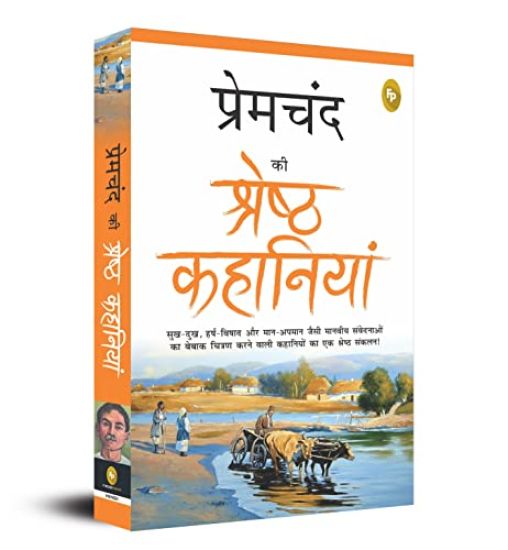
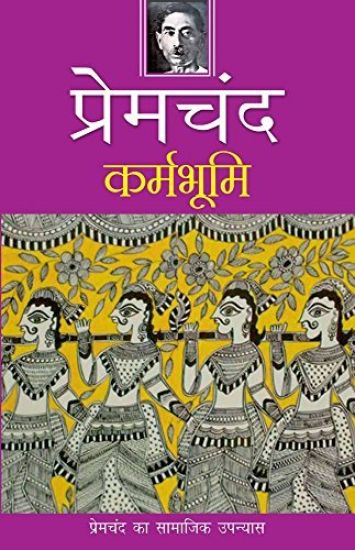
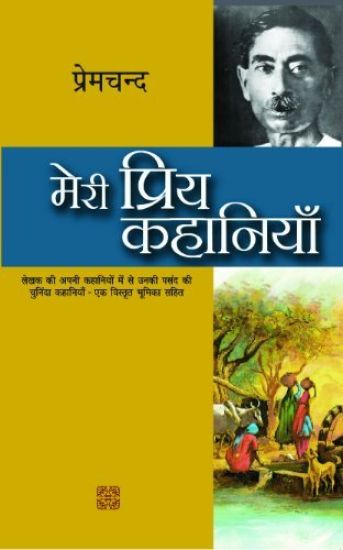

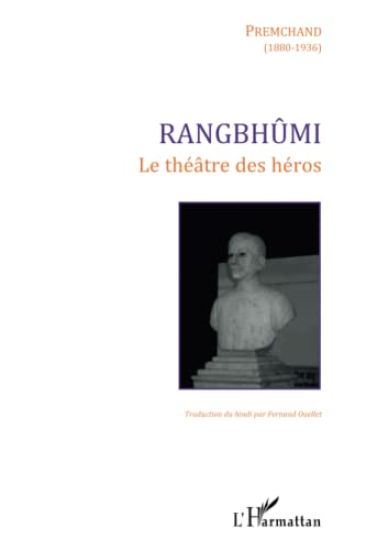
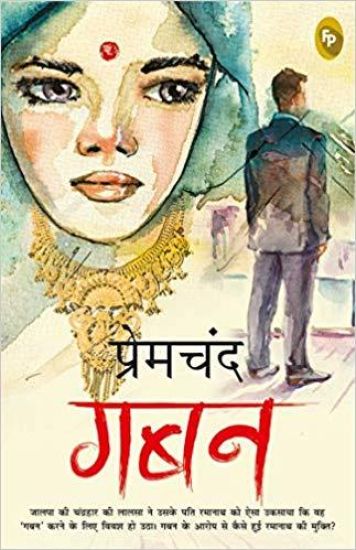
Munshi Premchand penned phenomenal works during his lifetime. In Gaban, Premchand focused on highlighting class and gender issues. Ramanath's wife Jaalpa's fondness for trinkets makes her demand a ' chandrahaar' from her husband. Ramanath belongs to the middle class but in front of his wife, he displays himself as a wealthy man. In order to get the trinket Jaalpa wants, he commits a theft. What will happen to Ramanath? Will he be caught and imprisoned? Or will he manage to flee from the law?
Premchand's novella Nirmala, first published in 1928, is one of the most poignant novels in Hindi on the theme of the young adolescent yoked to an elderly husband. Clearly reformist in its agenda, this novel succeeds in exploring sensitive and even dangerous terrain. Alok Rai's English translation includes an Afterword which takes note of the novel's special context, placing it in perspective and making a contemporary reading of the work possible.