Kirjojen hintavertailu – 12 903 725 kirjaa ja 27 kauppaa
Kirjailija
Qiang Zha
Kirjat ja teokset yhdessä paikassa: 5 kirjaa, julkaisuja vuosilta 2011–2027, suosituimpiin kuuluu Portraits of 21st Century Chinese Universities:. Vertaile teosten hintoja ja tarkista saatavuus suomalaisista kirjakaupoista.
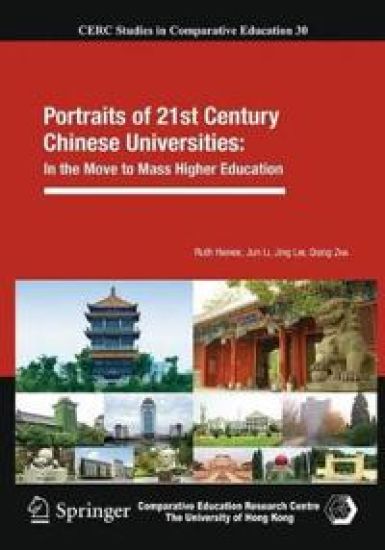
This book examines the ways in which China’s universities have changed in the dramatic move to a mass stage which has unfolded since the late 1990s. Twelve universities in different regions of the country are portrayed through the eyes of their students, faculty and leaders. The book begins with the national level policy process around the move to mass higher education. This is followed by an analysis of the views of 2,300 students on the 12 campuses about how the changes have affected their learning experiences and civil society involvement. The 12 portraits in the next section are of three comprehensive universities, three education-related universities, three science and technology universities, and three newly emerging private universities. The final chapter sketches the contours of an emerging Chinese model of the university, and explores its connections to China’s longstanding scholarly traditions
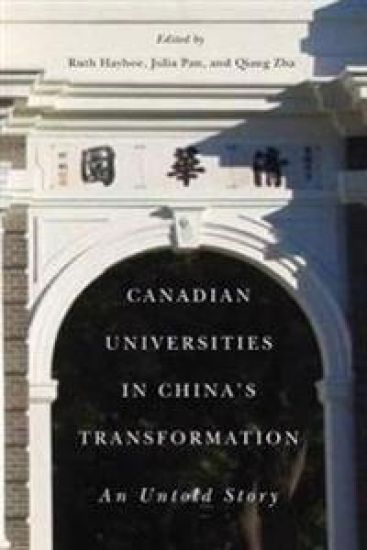
Canada was one of the first Western countries to sign an agreement to provide development aid to China in 1983, and the Canadian International Development Agency invited universities to cooperate in ways that would facilitate "the multiplication of contacts at the thinking level." In Canadian Universities in China's Transformation, leading scholars from Canadian and Chinese universities elaborate on the historical experience of collaboration in areas as different as environmental science, marine science, engineering, management, law, agriculture, medicine, education, minority cultures, and women's studies. Contributors use theoretical frames such as dependency theory, human capital, the knowledge economy, and Habermas's theory of communicative action, to facilitate a striking dialogue between Canadian and Chinese perspectives on common questions. They provide insights into factors that ensured the long-term success of some partnerships, as well as barriers that hindered others, and vivid lessons for current collaboration. Case studies include a project that began with the training of Chinese judges developing into reciprocal programs in legal education in China, Canada, and Latin America, and an examination of how joint environmental research has had policy impacts at national and international levels. Presenting the story of universities working together in the era after the Cultural Revolution, Canadian Universities in China's Transformation is a unique account of partnerships in knowledge production and application and their resulting impacts.
Canada was one of the first Western countries to sign an agreement to provide development aid to China in 1983, and the Canadian International Development Agency invited universities to cooperate in ways that would facilitate "the multiplication of contacts at the thinking level." In Canadian Universities in China's Transformation, leading scholars from Canadian and Chinese universities elaborate on the historical experience of collaboration in areas as different as environmental science, marine science, engineering, management, law, agriculture, medicine, education, minority cultures, and women's studies. Contributors use theoretical frames such as dependency theory, human capital, the knowledge economy, and Habermas's theory of communicative action, to facilitate a striking dialogue between Canadian and Chinese perspectives on common questions. They provide insights into factors that ensured the long-term success of some partnerships, as well as barriers that hindered others, and vivid lessons for current collaboration. Case studies include a project that began with the training of Chinese judges developing into reciprocal programs in legal education in China, Canada, and Latin America, and an examination of how joint environmental research has had policy impacts at national and international levels. Presenting the story of universities working together in the era after the Cultural Revolution, Canadian Universities in China's Transformation is a unique account of partnerships in knowledge production and application and their resulting impacts.
This book examines the ways in which China’s universities have changed in the dramatic move to a mass stage which has unfolded since the late 1990s. Twelve universities in different regions of the country are portrayed through the eyes of their students, faculty and leaders. The book begins with the national level policy process around the move to mass higher education. This is followed by an analysis of the views of 2,300 students on the 12 campuses about how the changes have affected their learning experiences and civil society involvement. The 12 portraits in the next section are of three comprehensive universities, three education-related universities, three science and technology universities, and three newly emerging private universities. The final chapter sketches the contours of an emerging Chinese model of the university, and explores its connections to China’s longstanding scholarly traditions