Kirjojen hintavertailu – 12 903 725 kirjaa ja 27 kauppaa
Kirjailija
R. Scott Appleby
Kirjat ja teokset yhdessä paikassa: 5 kirjaa, julkaisuja vuosilta 2003–2023, suosituimpiin kuuluu Strong Religion. Vertaile teosten hintoja ja tarkista saatavuus suomalaisista kirjakaupoista.
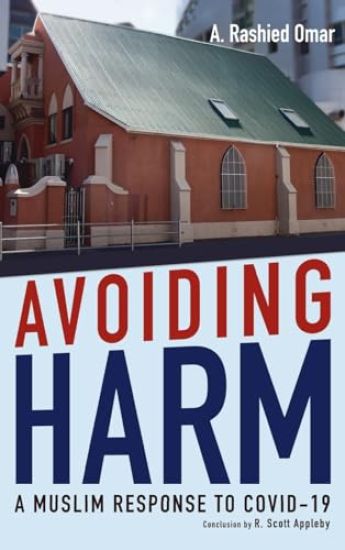
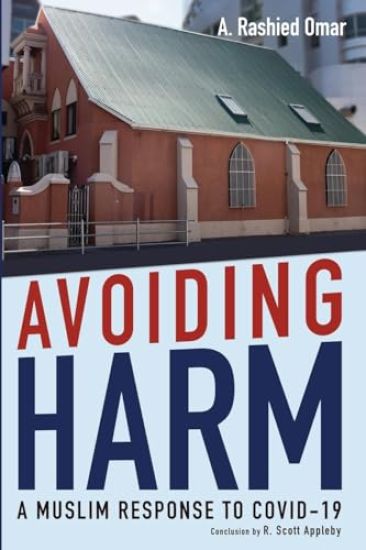
Research scholars have lamented the fact that most of the extant studies on religious responses to the COVID-19 pandemic focus on a particular religious group, typically Christian. This book fills this lacuna by providing some useful insights into how one Muslim religious institution responded to the pandemic. It portrays the sermons, advice, and guidance provided to the Claremont Main Road Mosque (CMRM) congregation in Cape Town, South Africa, by its Imams and elected board of governors during the course of the pandemic. The book carries a concluding chapter by Professor R. Scott Appleby, an expert in the study of lived religion, who critically reflects on this collection of sermons and the response of the mosque by providing some independent ruminations on the themes of religion, science, and the human person.
Research scholars have lamented the fact that most of the extant studies on religious responses to the COVID-19 pandemic focus on a particular religious group, typically Christian. This book fills this lacuna by providing some useful insights into how one Muslim religious institution responded to the pandemic. It portrays the sermons, advice, and guidance provided to the Claremont Main Road Mosque (CMRM) congregation in Cape Town, South Africa, by its Imams and elected board of governors during the course of the pandemic. The book carries a concluding chapter by Professor R. Scott Appleby, an expert in the study of lived religion, who critically reflects on this collection of sermons and the response of the mosque by providing some independent ruminations on the themes of religion, science, and the human person.
Featuring numerous case studies from various contexts and traditions, The Oxford Handbook of Religion, Conflict, and Peacebuilding brings together a diverse array of scholars to grapple with the tension between theory and practice, cultural theory, and the legacy of the liberal peace paradigm. This innovative Handbook offers provocative, elastic, and context-specific insights for strategic peacebuilding processes.
The book provides a comprehensive and interdisciplinary account of the scholarship on religion, conflict, and peacebuilding. Extending the scope of inquiry beyond previous parameters, the volume engages deeply with the legacies of colonialism, missionary activism, secularism, orientalism, and liberalism as they relate to the discussion of religion, violence, and nonviolent transformation and resistance. Featuring diverse case studies from various contexts and traditions, the volume is organized thematically into five different parts. It begins with an up-to-date mapping of scholarship on religion and violence, and religion and peace. The second part explores the challenges related to developing secularist theories on peace and nationalism. In addition, this section broadens the discussion of violence to include an analysis of cultural and structural forms, thereby expanding the scope of potential scholarship pertinent to the analysis of religion. The third part engages with the controversies within religion and development, religious-violent and nonviolent-militancy, religion and the legitimate use of force, the protection of the freedom of religion as a keystone of peacebuilding, and theories about gender and peacebuilding. The fourth part highlights peacebuilding in practice by focusing on constructive resources within various traditions, the transformative role of rituals, spiritual practices involved in the formation of peace-builders in contexts of acute violence, youth and interfaith activism in American university campuses, religion and solidarity activism, scriptural reasoning as a peacebuilding practice, and an extended reflection on the history and legacy of missionary peacebuilding. The conclusion looks to the future of peacebuilding scholarship and the possibilities for new growth and progress. Bringing together a diverse array of scholars, this innovative Handbook grapples with the tension between theory and practice, cultural theory, and the legacy of the liberal peace paradigm, offering provocative, elastic, and context-specific insights for strategic peacebuilding processes.
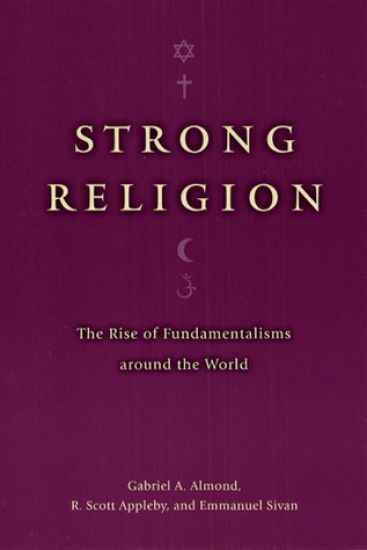
Since the September 11 terrorist attacks against the United States, religious fundamentalism has dominated public debate as never before. Policymakers, educators and the general public all want to know: Why do fundamentalist movements turn violent? Are fundamentalisms a global threat to human rights, security and democratic forms of government? What is the future of fundamentalism? To answer questions like these, "Strong Religion" draws on the results of the Fundamentalism Project, a decade-long interdisciplinary study of antimodernist, antisecular militant religious movements on five continents and within seven religious traditions. The authors of this study analyze the various social structures, cultural contexts and political environments in which fundamentalist movements have emerged around the world, from the Islamic Hamas and Hizbullah to the Catholic and Protestant paramilitaries of Northern Ireland, and from the Moral Majority and Christian Coalition of the United states to the Sikh radicals and Hindu nationalists of India. Offering a vividly detailed portrait of the cultures that nourish such movements, "Strong Religion" describes different modes of fundamentalism and identifies the kinds of historical events that can trigger them. For anyone who wants to understand why fundamentalist movements arise and what makes them turn violent, "Strong Religion" should be essential reading.