Kirjailija
Rainer Maria Rilke
Kirjat ja teokset yhdessä paikassa: 657 kirjaa, julkaisuja vuosilta 1927–2026, suosituimpiin kuuluu Auguste Rodin. Vertaile teosten hintoja ja tarkista saatavuus suomalaisista kirjakaupoista.
Nimi esiintyy myös muodoissa: Rainer María Rilke
657 kirjaa
Kirjojen julkaisuvuodet: 1927–2026.
Gedichte von Rainer Maria Rilke. Interpretationen
Rainer Maria Rilke
Reclam Philipp Jun.
1999
pokkari
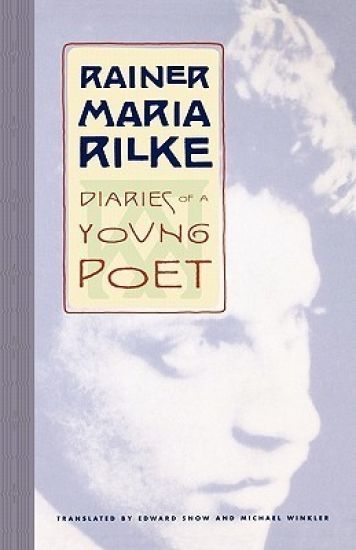
In April 1898 Rainer Maria Rilke, not yet twenty-three, began a diary of his Florence visit. It was to record, in the form of an imaginary dialogue with his mentor and then-lover, Lou Andreas-Salome, his firsthand experiences of early Renaissance art. The project quickly expanded to include not only thoughts on life, history, and artistic genius, but also unguarded moments of revulsion, self-doubt, and manic expectation. The result is an intimate glimpse into the young Rilke, already experimenting brilliantly with language and metaphor. "For the lover of Rilke, this superb translation of the poet's early diaries will be a watershed. Through Edward Snow's and Michael Winkler's brilliantly supple and faithful translation . . . a new and more balanced picture of Rilke will emerge."—Ralph Freedman
The Duino Elegies are the culmination of the development of Rilke's poetry. A summary of his spiritual troubles, perhaps no volume of poems in a European language has made so dramatic and sustained an impact on English-speaking readers in this century.
New Poems (1907-1908) represented a departure for Rilke from the traditional German lyric poetry of which he was then considered a master. Apparent in the poems is the influence of Rodin--for whom Rilke had worked--as well as other visual artists, including Hokusai, Cezanne, Van Gogh, and Picasso. Rilke forced language to extremes of subtlety and refinement that only now, in Stephen Cohn's translations, is being captured properly in English.
Udsat på hjertets bjerge
Rainer Maria Rilke
Gyldendal Trade 140
1998
nidottu
Halvin toimitettuna 39,20 €
Et udvidet udvalg af Rilkes digte, oversat af Thorkild Bjørnvig. Alle de tidligere udgivne digte, suppleret med nyoversatte. Hermed foreligger bl.a. alle sonetterne til Orfeus på dansk. "Thorkild Bjørnvig som suveræn gendigter af Rilke ... Det er musik af en egen svævende, konstruktiv art, fortættede klange af klassisk struktur, hærdet af modernismens krav om at ændre ordene fra grunden." ? Information.
Though as yet little known in English-speaking countries, Rainer Maria Rilke (1875-1926) is the finest German poet of this century and one of the greatest lyrical writers in the history of Western literature. A major figure in the modernist movement, with some affinities to Yeats, Rilke had a profound influence on other 20th century poets such as Pasternak and Akhmatova. He is a master of vivid and breathtakingly original imagery in which difficult ideas are made directly apprehensible to the reader and new worlds of experience are opened up. This selection includes poems from all stages of his career, beginning with the delicate works of his early years, through the extraordinary poems he wrote in French (which he used like a first language) and concluding with his mature masterpieces: the SONNETS TO ORPHEUS and the DUINO ELEGIES. Also included are Rilke's prose LETTERS TO A YOUNG POET in which he counsels a younger colleague and expounds his own literary ideal. This is by far the most comprehensive selection from this poet in English and forms an ideal introduction to this work.
»Rilkes brev är som en solbelyst mur, varma, fasta och mångskiftande. Pasternaks brev är känslosamma och analytiska, som ett forsande vattendrag. Tsvetajeva, slutligen, skriver språngartat med geniala kast mellan det vardagliga och det visionära. Hon vill inte flyta, hon vill flyga.« Anders Olsson, GP I mitten av april månad år 1926 uppstår som ett korsdrag tvärs över den europeiska kontinenten en brevväxling mellan tre av tidens största poeter. Den äldste av dem, Rainer Maria Rilke, befinner sig på ett sanatorium i Schweiz, redan märkt av den leukemi som den 29 december samma år kommer att ta hans liv. En dag inträffar ett brev från en djupt gripen Boris Pasternak, som i det unga Sovjetunionens Moskva brottas med den nya tidens krav och försörjningsbördan för familj och barn. Pasternak har från fadern i Berlin just fått den för honom överväldigande nyheten om att Rilke - »dikten själv« - är vid liv och dessutom har läst hans dikter, ett faktum som drabbar honom som »en elektrisk själskortslutning«. Han ber diktaren att inte slösa sin tid på honom, utan i stället, »som ett tecken på att jag hädanefter får skriva till Er«, sända Duinoelegierna med dedikation till hans »största och förmodligen enda väninna«, den ryska poeten Marina Tsvetajeva, som lever i djup misär i emigrationens Paris. Rilke uppfyller omedelbart Pasternaks önskan och skriver till Tsvetajeva, och därmed inleds en av 1900-talets viktigaste brevväxlingar. Boken innehåller nära 60 brev, samt Boris Pasternaks »Några teser« (1918, 1922), Rainer Maria Rilkes »Elegi till Marina Tsvetajeva-Efron« (1926; tolkning av Ernst Brunner) och Marina Tsvetajevas prosatexter »Din död« (1927), »Några brev av Rainer Maria Rilke« (1929), samt två långdikter, »Försök till ett rum« (1926; tolkning av Dan Gustavsson och Ola Wallin) och »Nyårsbrevet« (1927; tolkning av Dan Gustavsson och Ola Wallin).
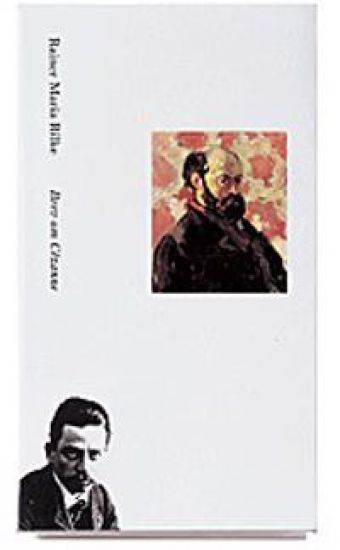
Rainer Maria Rilkes brev till hustrun Clara om mötet med Cézannes bilder på den retrospektiva utställningen 1907 och om vägen in i ett nytt sätt att se. De bilder som omnämns i texten återges i färg. Översättning av Helga Krook.
Der Monte Rosa, mit 4.637 Metern der zweithöchste Berg der Alpen, ist ein gewaltiges Bergmassiv und mit seinen Gletschern ein nahezu unerschöpfliches Wasserreservoir, das den Fluss Sesia speist. Im Berg wurden Gold, Silber und Kupfer abgebaut. Auf den Almen und Hochtälern, vor gut 700 Jahren von Walsern erschlossen und besiedelt, wird Milchwirtschaft betrieben. Die anfangs schäumende Sesia bewässert an ihrem Ende die Reisfelder von Arborio. In Varallo, dem Hauptort in der Mitte des piemontesischen Tales an der Grenze zur Lombordei, steht der Sacro Monte, der "Heilige Berg", auf dem mittels 600 lebensgroße Figuren und unzähligen Freskofiguren das Leben Jesu nachgestellt wird.
This new selection, drawing primarily on Rilke's extremely rich middle period, the first decade of the 20th century, and concluding with a selection from his late Sonnets to Orpheus, offers a clear, powerful, and contemporary Rilke.
The Book of Images: Poems / Revised Bilingual Edition
Rainer Maria Rilke
North Point Press
1994
nidottu
Now substantially revised by Edward Snow, whom Denise Levertov once called "far and away Rilke's best translator," this bilingual edition of The Book of Images contains a number of the great poet's previously untranslated pieces. Also included are several of Rilke's best-loved lyrics, such as "Autumn," "Childhood," "Lament," "Evening," and "Entrance."
Here is a mini-anthology of poetry and prose for both aficionados and those readers discovering Rainer Maria Rilke for the first time. John J. L. Mood has assembled a collection of Rilke's strongest work, presenting commentary along with the selections. Mood links into an essay passages from letters that show Rilke's profound understanding of men and women and his ardent spirituality, rooted in the senses. Combining passion and sensitivity, the poems on love presented here are often not only sensual but sexual as well. Others pursue perennial themes in his work—death and life, growth and transformation. The book concludes with Rilke's reflections on wisdom and openness to experience, on grasping what is most difficult and turning what is most alien into that which we can most trust.
Born in 1875, the great German lyric poet Rainer Maria Rilke published his first collection of poems in 1898 and went on to become renowned for his delicate depiction of the workings of the human heart. Drawn by some sympathetic note in his poems, young people often wrote to Rilke with their problems and hopes. From 1903 to 1908 Rilke wrote a series of remarkable responses to a young, would-be poet on poetry and on surviving as a sensitive observer in a harsh world. Those letters, still a fresh source of inspiration and insight, are accompanied here by a chronicle of Rilke's life that shows what he was experiencing in his own relationship to life and work when he wrote them.
Translations from the Poetry of Rainer Maria Rilke
Rainer Maria Rilke; M. D. Herter Norton
WW Norton Co
1993
pokkari
These translations by M. D. Herter Norton offer Rilke's work to the English-speaking world in an accurate, sensitive, modern version.