
Kirjojen hintavertailu – 12 903 725 kirjaa ja 27 kauppaa

Kirjailija

Raja Almarzoqi

Kirjat ja teokset yhdessä paikassa: 2 kirjaa, julkaisuja vuosilta 2018–2020, suosituimpiin kuuluu Islamic Macroeconomics. Vertaile teosten hintoja ja tarkista saatavuus suomalaisista kirjakaupoista.

2 kirjaa

Kirjojen julkaisuvuodet: 2018–2020.

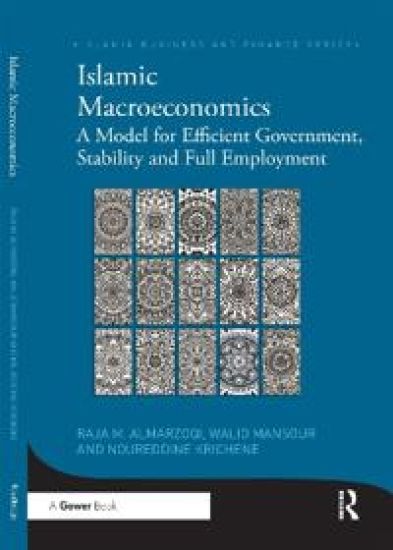
Islamic Macroeconomics

Islamic Macroeconomics

Raja Almarzoqi; Walid Mansour; Noureddine Krichene

Routledge
2020
nidottu
Islamic Macroeconomics proposes an Islamic model that offers significant prospects for economic growth and durable macroeconomic stability, and which is immune to the defects of the economic models prevailing both in developed and developing countries. An Islamic model advocates a limited government confined to its natural duties of defence, justice, education, health, infrastructure, regulation, and welfare of the vulnerable population. It prohibits interest-based debt and money, and requires full liberalization of all markets including labor, financial, commodity, trade, and foreign exchange markets. The government should be Sharia-compliant in its taxation power and regulatory intervention; it ought to reduce unproductive spending in favor of productive spending. This book is essential reading for students and academics of Islamic economics and finance, economists, practitioners, and researchers.
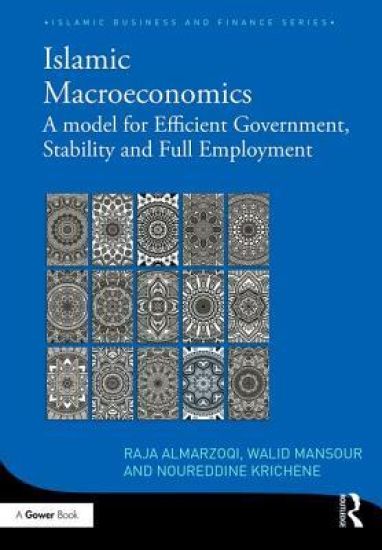
Islamic Macroeconomics

Islamic Macroeconomics

Raja Almarzoqi; Walid Mansour; Noureddine Krichene

Routledge
2018
sidottu
Islamic Macroeconomics proposes an Islamic model that offers significant prospects for economic growth and durable macroeconomic stability, and which is immune to the defects of the economic models prevailing both in developed and developing countries. An Islamic model advocates a limited government confined to its natural duties of defence, justice, education, health, infrastructure, regulation, and welfare of the vulnerable population. It prohibits interest-based debt and money, and requires full liberalization of all markets including labor, financial, commodity, trade, and foreign exchange markets. The government should be Sharia-compliant in its taxation power and regulatory intervention; it ought to reduce unproductive spending in favor of productive spending. This book is essential reading for students and academics of Islamic economics and finance, economists, practitioners, and researchers.