Kirjojen hintavertailu – 12 903 725 kirjaa ja 27 kauppaa
Kirjailija
Ralph Crane
Kirjat ja teokset yhdessä paikassa: 4 kirjaa, julkaisuja vuosilta 2013–2021, suosituimpiin kuuluu Imperialism as Diaspora. Vertaile teosten hintoja ja tarkista saatavuus suomalaisista kirjakaupoista.
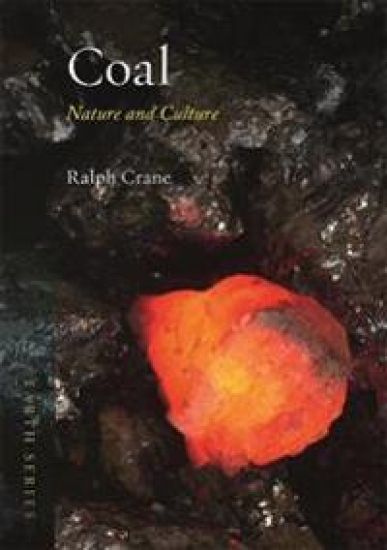
While concerns about climate change have focused negative attention on the coal industry in recent years, as descendants of the industrial revolution we have all benefitted from the mining of the black seam. Coal has influenced significantly the course of human history and our social and natural environments. This book takes readers on a journey through the extraordinary artistic responses to coal, from its role in the works of writers such as Zola, Lawrence, and Orwell, to the way it inspired the work of painters including Turner, Monet and Van Gogh and the place of coal in film, song and folklore as well as the surprising allure of coal tourism. This strikingly illustrated book provides an engaging and informative insight into the myriad ways coal has affected our lives.
'Island Genres, Genre Islands' moves the debate about literature and place onto new ground by exploring the island settings of bestsellers. Through a focus on four key genres—crime fiction, thrillers, popular romance fiction, and fantasy fiction—Crane and Fletcher show that genre is fundamental to both the textual representation of real and imagined islands and to actual knowledges and experiences of islands. The book offers broad, comparative readings of the significance of islandness in each of the four genres as well as detailed case studies of major authors and texts. These include chapters on Agatha’s Christie’s islands, the role of the island in ‘Bondspace,’ the romantic islophilia of Nora Roberts’s Three Sisters Island series, and the archipelagic geography of Ursula Le Guin’s Earthsea. Crane and Fletcher’s book will appeal to specialists in literary studies and cultural geography, as well as in island studies.
'Island Genres, Genre Islands' moves the debate about literature and place onto new ground by exploring the island settings of bestsellers. Through a focus on four key genres—crime fiction, thrillers, popular romance fiction, and fantasy fiction—Crane and Fletcher show that genre is fundamental to both the textual representation of real and imagined islands and to actual knowledges and experiences of islands. The book offers broad, comparative readings of the significance of islandness in each of the four genres as well as detailed case studies of major authors and texts. These include chapters on Agatha’s Christie’s islands, the role of the island in ‘Bondspace,’ the romantic islophilia of Nora Roberts’s Three Sisters Island series, and the archipelagic geography of Ursula Le Guin’s Earthsea. Crane and Fletcher’s book will appeal to specialists in literary studies and cultural geography, as well as in island studies.
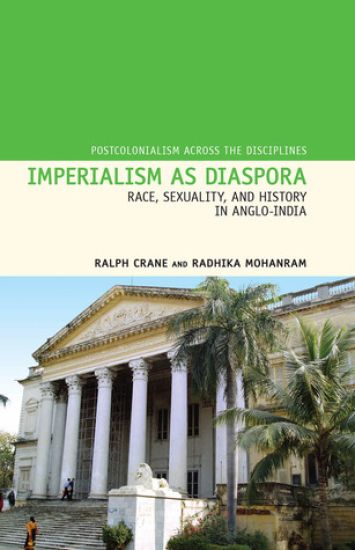
Within postcolonial studies, Britain’s long contact with India has been read generally only within the context of imperialism to inform our understanding of race, gender, identity, and power within colonialism. Such postcolonial interpretations that focus on single dimensions of identity risk disregarding the sense of displacement, discontinuities, and discomforts that compromised everyday life for the British in India—the Anglo-Indians—during the Raj. Imperialism as Diaspora reconsiders the urgencies, governing principles, and modes of being of the Anglo-Indians by approaching Britain’s imperial relationship with India from new, interdisciplinary directions. Moving freely between the disciplines of literature, history, and art this new work offers readers a more nuanced and comprehensive understanding of the lives of Anglo-Indians. Focussing on the years between the Indian Mutiny of 1857 and Independence in 1947—the period of the British Raj in India—Imperialism as Diaspora at once sets in motion the multidisciplinary fields of cultural and social history, art and iconography, and literary productions while carefully maintaining the tension between imperialism and diaspora in a ground-breaking reassessment of Anglo-India. Crane and Mohanram examine the seamless continuum between cultural history, the semiotics of art, and Anglo-Indian literary works. Specifically, they focus on the influence of the Sepoy Mutiny on Anglo-Indian identity; the trope of duty and the white man’s burden on the racialization of Anglo-India; the role of the missionary and the status of Christianity in India; and gender, love and contamination within mixed marriages.