Kirjojen hintavertailu – 12 859 829 kirjaa ja 27 kauppaa
Kirjailija
Ramachandra Guha
Kirjat ja teokset yhdessä paikassa: 28 kirjaa, julkaisuja vuosilta 1993–2026, suosituimpiin kuuluu Ecology and Equity. Vertaile teosten hintoja ja tarkista saatavuus suomalaisista kirjakaupoista.
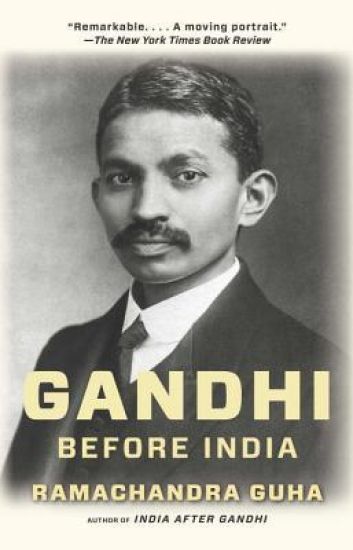
A New York Times Notable Book and a San Francisco Chronicle Best Book of the Year A revelatory work of biography, Gandhi Before India is an illuminating portrait of the life, the work, and the historical context of one of the most abidingly influential--and controversial--men in modern history. From Gandhi's birth in 1869, through his upbringing in Gujarat and his years as a student in London, to his two decades as a lawyer and community organizer in South Africa, acclaimed author Ramachandra Guha brings the past to light with extraordinary grace and clarity. Drawing on a wealth of newly uncovered materials, Gandhi Before India strips away the myths that have sprung up around the Mahatma to uncover the remarkable story of how Gandhi came of age abroad, and how he set the stage for his return to India.
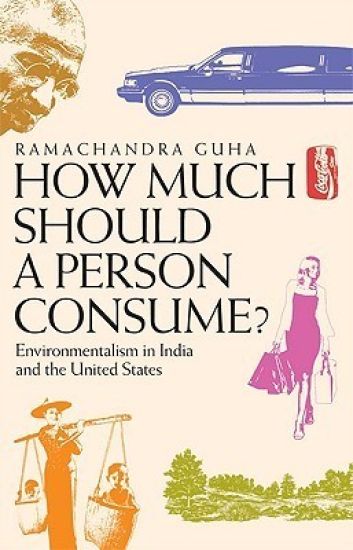
Based on research conducted over two decades, this accessible and deeply felt book provides a provocative comparative history of environmentalism in two large ecologically and culturally diverse democracies--India and the United States. Ramachandra Guha takes as his point of departure the dominant environmental philosophies in these two countries--identified as "agrarianism" in India and "wilderness thinking" in the U. S. Proposing an inclusive "social ecology" framework that goes beyond these partisan ideologies, Guha arrives at a richer understanding of controversies over large dams, state forests, wildlife reserves, and more. He offers trenchant critiques of privileged and isolationist proponents of conservation, persuasively arguing for biospheres that care as much for humans as for other species. He also provides profiles of three remarkable environmental thinkers and activists--Lewis Mumford, Chandi Prasad Bhatt, and Madhav Gadgil. Finally, the author asks the fundamental environmental question--how much should a person or country consume?--and explores a range of answers. Copub: Permanent Black
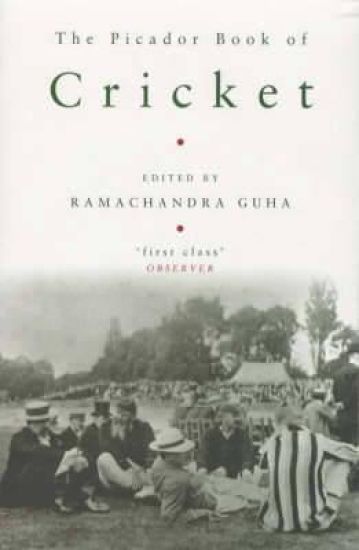
A tribute to the finest writers on the game of cricket and an acknowledgement that the great days of cricket literature are behind us. There was a time when major English writers – P. G. Wodehouse, Arthur Conan Doyle, Alec Waugh – took time off to write about cricket, whereas the cricket book market today is dominated by ghosted autobiographies and statistical compendiums. The Picador Book of Cricket celebrates the best writing on the game and includes many pieces that have been out of print, or difficult to get hold of, for years. Including Neville Cardus, C. L. R. James, John Arlott, V. S. Naipaul, and C. B. Fry, this anthology is a must for any cricket follower or anyone interested in sports writing elevated to high art.
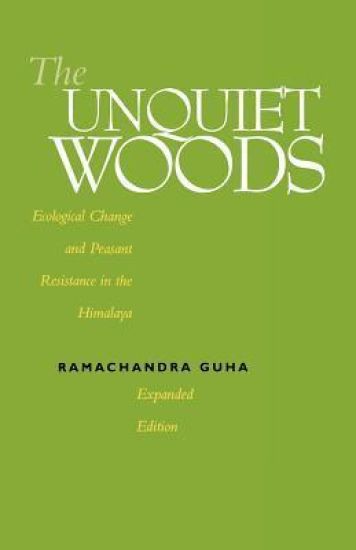
Expanded Edition This new, expanded edition of The Unquiet Woods, Ramachandra Guha's pathbreaking study of peasant movements against commercial forestry, offers a new epilogue that brings the story of Himalayan social protest up-to-date, reflecting the Chipko movement's continuing influence in the wider world. A new appendix charts the progress of environmental history in India. The bibliography and index have been revised and updated.
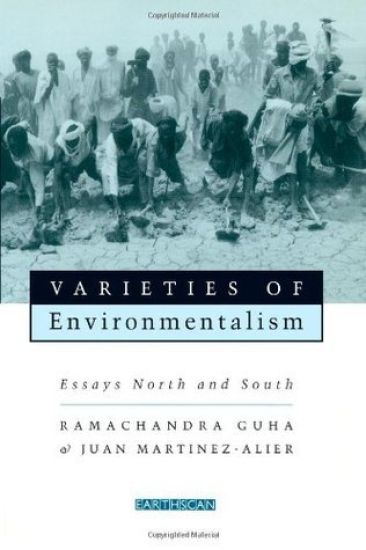
Until very recently, studies of the environmental movement have been heavily biased towards the North Atlantic worlds. There was a common assumption amongst historians and sociologists that concerns over such issues as conservation or biodiversity were the exclusive preserve of the affluent westerner: the ultimate luxury of the consumer society. Citizens of the world's poorest countries, ran the conventional wisdom, had nothing to gain from environmental concerns; they were 'too poor to be green', and were attending to the more urgent business of survival. Yet strong environmental movements have sprung up over recent decades in some of the poorest countries in Asia and Latin America, albeit with origins and forms of expression quite distinct from their western counterparts. In Varieties of Environmentalism, Guha and Matinez-Alier seek to articulate the values and orientation of the environmentalism of the poor, and to explore the conflicting priorities of South and North that were so dramatically highlighted at the Rio Earth Summit in 1992. Essays on the 'ecology of affluence' are also included, placing ion context such uniquely western phenomena as the 'cult of wilderness' and the environmental justice movement. Using a combination of archival and field data,. The book presents analyses of environmental conflicts and ideologies in four continents: North and South America, Asia and Europe. The authors present the nature and history of environmental movements in quite a new light, one which clarifies the issues and the processes behind them. They also provide reappraisals for three seminal figures, Gandhi, Georgescu-Roegen and Mumford, whose legacy may yet contribute to a greater cross-cultural understanding within the environmental movements.