Kirjojen hintavertailu – 12 859 827 kirjaa ja 27 kauppaa
Kirjailija
Randy Decuir
Kirjat ja teokset yhdessä paikassa: 64 kirjaa, julkaisuja vuosilta 2012–2018, suosituimpiin kuuluu Avoyelleans in the First World War: The French Creole and other soldiers of Avoyelles who helped save their ancestral land.. Vertaile teosten hintoja ja tarkista saatavuus suomalaisista kirjakaupoista.
French Creoles from Pointe Coupee and French Canadians from Quebec arrived in Avoyelles in the 1780s and many received land grants along Old River at Hydropolis. After the Louisiana Purchase they were joined by Americans moving west and more direct French immigrants. Here on the flood safe prairie, these settlers established the first cemetery, the first school, the first bank as the area became a nucleus of Avoyelles. These early settlers along with the Native Americans who already called the area home, give the Cocoville-Hydropolis area a rich place in Louisiana history. The settlers and families of Cocoville have made their mark on local, state and even national history.
Vol. I of three part series on Cocoville-Hydropolis. This first volume is a a history of the Cocoville and Hydropolis community of Avoyelles Parish, Louisiana, sorted by year. (The second volume is devoted to the early settlers and families of the area, sorted by surname. The third volume, not yet released, is the story of Dominique Coco and his family)
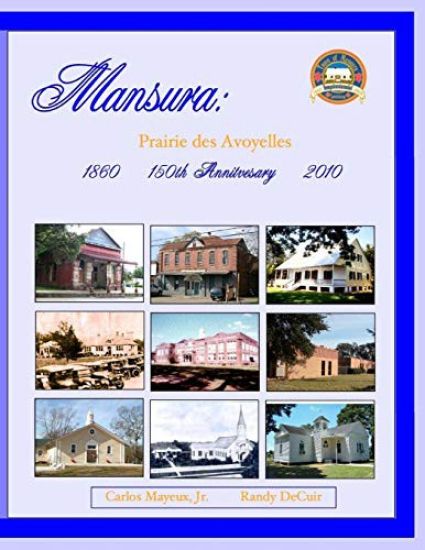
Although sometimes considered Acadian, the families of Avoyelles are of a completely different French background. The first French to settle in Avoyelles began coming after a great Mississippi River flood in 1780 and were mostly pure French Creoles, descendant of the earlier French settlers who were the first families of Louisiana who migrated in 1720. (The Acadians, who bear different last names, settled in Parishes to the south of Avoyelles) Avoyelles was a safe and easy place to get to, as it sat on a high flood safe prairie easily accessed by the main transpiration arteries of Louisiana: the Atchafalaya, the Mississippi and the Red Rivers. The Second wave of settlers: Americans After the Louisiana statehood in 1812, an influx of English speaking Americans began to arrive in Avoyelles, moving in from the eastern seaboard. The third influx of population: The direct French immigrants Avoyelles was a thriving place in the 1800s, rich with agriculture, large and small plantations. It continued to attract more French settlers, and wave of migration from France lasted from the 1790s through the entire next century. This latter wave of French migration to Avoyelles brought merchants, tradesmen and professionals. Most were not farmers, and most had more education than the 19th century residents of the parish. When this second wave of settlers arrived in Avoyelles, they established stores, mostly in Mansura and Marksville, and quickly were accepted into the local life, being elected to serve as mayors and parish officials. The 1880 census of the Mansura area reads more ike a list of stores that may have been located in New York with merchant after merchant residing next to each other in the predominantly rural agricultural parish.
FULL COLOR EDITION Although sometimes considered Acadian, the families of Avoyelles are of a completely different French background. The first French to settle in Avoyelles began coming after a great Mississippi River flood in 1780 and were mostly pure French Creoles, descendant of the earlier French settlers who were the first families of Louisiana who migrated in 1720. (The Acadians, who bear different last names, settled in Parishes to the south of Avoyelles) Avoyelles was a safe and easy place to get to, as it sat on a high flood safe prairie easily accessed by the main transpiration arteries of Louisiana: the Atchafalaya, the Mississippi and the Red Rivers. The Second wave of settlers: Americans After the Louisiana statehood in 1812, an influx of English speaking Americans began to arrive in Avoyelles, moving in from the eastern seaboard. The third influx of population: The direct French immigrants Avoyelles was a thriving place in the 1800s, rich with agriculture, large and small plantations. It continued to attract more French settlers, and wave of migration from France lasted from the 1790s through the entire next century. This latter wave of French migration to Avoyelles brought merchants, tradesmen and professionals. Most were not farmers, and most had more education than the 19th century residents of the parish. When this second wave of settlers arrived in Avoyelles, they established stores, mostly in Mansura and Marksville, and quickly were accepted into the local life, being elected to serve as mayors and parish officials. The 1880 census of the Mansura area reads more ike a list of stores that may have been located in New York with merchant after merchant residing next to each other in the predominantly rural agricultural parish.
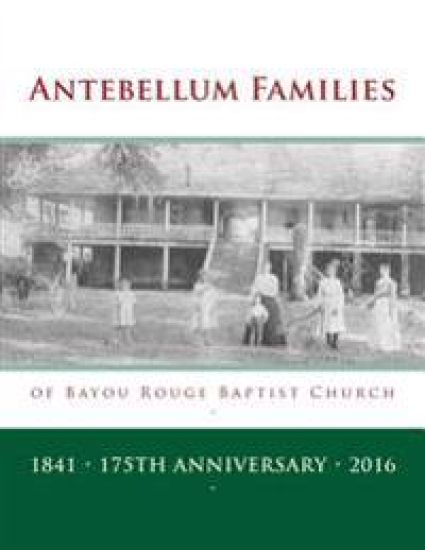
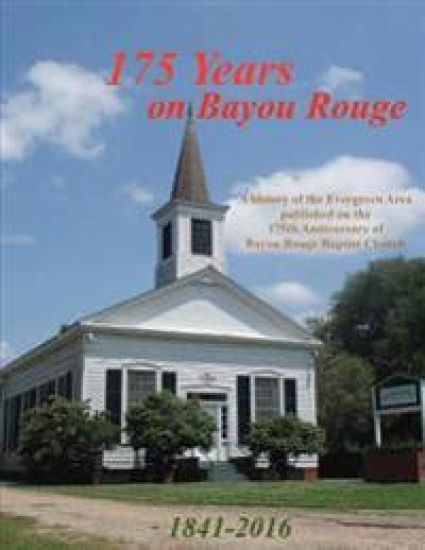
A short genealogy of the Pre-Civil War families of Bayou Rouge Baptist Church. Published on the 175th Church Anniversary 1841-2016 ALLEN family BENNETT family BETTISON family BRANCH family BROWN family BRUNSON family BUBENZER family BUCK family CAPPEL family CHAMBERLAIN family CHATELAIN family EWELL family FLOURNOY family FRITH family GRAY family HALL family HOLLINSHEAD family HUDSON family IRION family JEANSONNE family KEMPER family KILPATRICK family MARSHALL family MILES family MOUNGER family NORMAND family O'QUINN family PEARCE family QUIRK family TALIAFERO family TANNER family WEST family WHITE family WIER family WRIGHT family
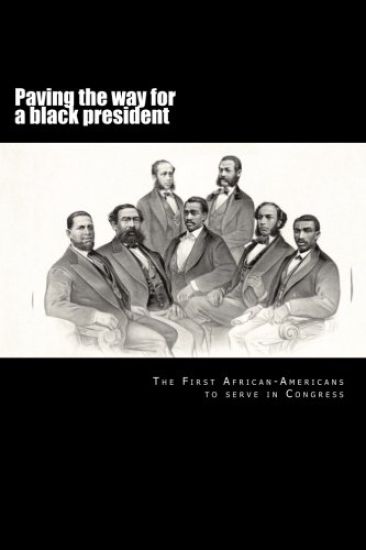
The election of Barack Obama as the president of the United States marked an historic turn of American history. It came almost 150 years after the American Civil War and the Emancipation Proclamation. After slaves were emancipated and granted citizenship rights, freedmen had gained political representation in the Southern United States for the first time. Although it took 14 decades after blacks were all freed to have a black president, it did not take that long for the first black man to be elected to national office John Willis Menard of Louisiana holds that honor, being chosen by voters of that state to the House of Representative in 1868. His opponent contested his election, and the opposition prevented him from being seated in Congress. Menard does hold the distinction of being the first black to speak from the floor of Congress. Within three years, there were seven pioneering African-Americans who made their way to Washington D. C. as the first Black senator and congressmen and were allowed to serve. All of them were from Southern states. The north would not produce a Black congressmen until the 20th century. Outnumbered by the old white members of European descent who had control for generations, these Black men made their mark in national government. The Republican Rule during Reconstruction allowed them to be elected, and that chance ended in 1877 with the end of Carpetbagger era. Three of the original seven men who were the first Blacks to serve in Washington were former slaves. The other four were born "free men of color". They paved the way for every black politician in the country to follow, laying the groundwork for the first Black, Barack Obama, to be elected as the President of the United States. Senator Hiram Revels, born free before the Civil War and Rep. Joseph Rainey, a former slave, were the first to arrive in Washington in the year 1870 in the second year of the the 41st Congress. Revels came first, having been elected as the first black senator, representing the state of Mississippi.'' Rainey was seated in December of 1870. 41st Congress The arrival of Senator Hiram Revels of Mississippi and Representative Joseph Rainey of South Carolina on Capitol Hill in 1870 ranks among the great paradoxes in American history; just a decade earlier, these African Americans' congressional seats were held by southern slave owners. Moreover, the U. S. Capitol, the center of legislative government, conceived by its creators as the "Temple of Liberty"-had been constructed with the help of enslaved laborers. 42nd Congress The following year, Revels and Rainey were joined by five black members of the House of Representatives who were seated in the 42nd Congress: Benjamin S. Turner of Alabama; Josiah T. Walls of Florida; and Robert Brown Elliot and Robert Carlos DeLarge of South Carolina, and Jefferson Long of Georgia. Long's seat was disputed and was upseated on the first day of the session on March 4, 1871. Three of the seven men were from South Carolina: Rainey, Elliott and DeLarge.