
Kirjojen hintavertailu – 12 859 827 kirjaa ja 27 kauppaa

Kirjailija

Rani Ray

Kirjat ja teokset yhdessä paikassa: 2 kirjaa, julkaisuja vuosilta 2015–2022, suosituimpiin kuuluu Nagarik – The Screenplays, Volume 1. Vertaile teosten hintoja ja tarkista saatavuus suomalaisista kirjakaupoista.

2 kirjaa

Kirjojen julkaisuvuodet: 2015–2022.

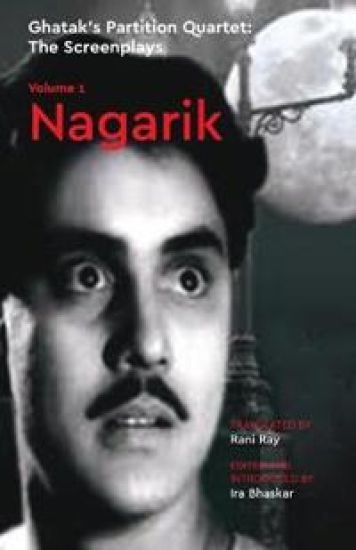
Nagarik – The Screenplays, Volume 1

Nagarik – The Screenplays, Volume 1

Ira Bhaskar; Rani Ray

Tulika
2022
sidottu
Set in Calcutta in the immediate aftermath of the Partition, Ritwik Ghatak’s Nagarik (released in 1977 after Ghatak’s death in 1976) chronicles the struggles of a refugee family from East Bengal as they desperately strive to survive in a metropolis which is unable to address the necessities of thousands of people pouring in from across the border. The protagonist, Ramu, like hundreds of other young men, struggles to find that elusive job; unemployment, starvation, incessant dislocation, and the yearning for stability and a home mark the lives of the refugee families in this film. Ghatak was to return to the theme in three other films that have been known as the Partition Trilogy—Meghe Dhaka Tara, Komal Gandhar, and Subarnarekha. With this translation of the screenplay of Nagarik, it will be clear that Ghatak’s Partition films, those that deal directly with the lives of refugees in Calcutta, form a quartet and not a trilogy. Nagarik also represents an enticing historiographical idea, the ‘what if’ of Indian film history: perhaps if it had been released in 1952 when it was made, and before Pather Panchali, the accounts of Indian art cinema that have privileged the Ray film would have been different, and Ghatak may have been accepted as an important Indian auteur in his lifetime.
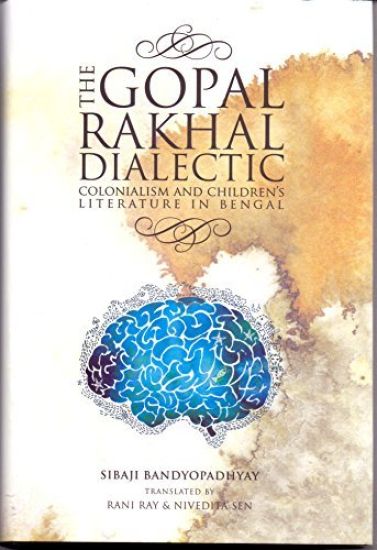
The Gopal–Rakhal Dialectic – Colonialism and Children`s Literature in Bengal

The Gopal–Rakhal Dialectic – Colonialism and Children`s Literature in Bengal

Sibaji Bandyopadhyay; Rani Ray; Nivedita Sen

Tulika Book
2015
sidottu
Literature for children is a distinctive achievement of the Bengali language. In it, we get numerous illustrations of primers that are meant to initiate reading and writing among children, poems and nursery rhymes, fables and fairy tales, prose pieces and stories, plays and novels, all of which are unique in their style and content, exceptional in their taste and flavor. Innumerable books have been produced, countless magazines have been printed and the annual Puja compilations have been put together year after year. Even when we assess the nature of ideas and beliefs, Bengali children's literature does not pall. In fact, it is a contentious site of trends and counter-trends that can be charted within inventive writings for children. Its multifarious potential was quite manifest in the colonial era and a few decades post independence. The Gopal-Rakhal Dialectic: Colonialism and Children's Literature in Bengal offers an evaluation of the strengths and possibilities of this very literature.