Kirjojen hintavertailu – 12 859 819 kirjaa ja 27 kauppaa

Kirjailija

Raphael S Cohen

Kirjat ja teokset yhdessä paikassa: 33 kirjaa, julkaisuja vuosilta 2015–2024, suosituimpiin kuuluu Planning, Programming, Budgeting, and Execution in Comparative Organizations. Vertaile teosten hintoja ja tarkista saatavuus suomalaisista kirjakaupoista.

Nimi esiintyy myös muodoissa: Raphael S. Cohen

33 kirjaa

Kirjojen julkaisuvuodet: 2015–2024.

Russian Disinformation Efforts on Social Media

Russian Disinformation Efforts on Social Media

Elina Treyger; Joe Cheravitch; Raphael S Cohen

RAND
2022
nidottu
Russia is conducting wide-reaching information warfare with the West. This report describes Russia's information warfare waged via social media and provides recommendations to better counter this threat. Although popular portrayals of the Russian disinformation machine imply an organized and well-resourced operation, evidence suggests that it is neither. Nonetheless, Russian activity can be harmful to U. S. interests and is likely to evolve.
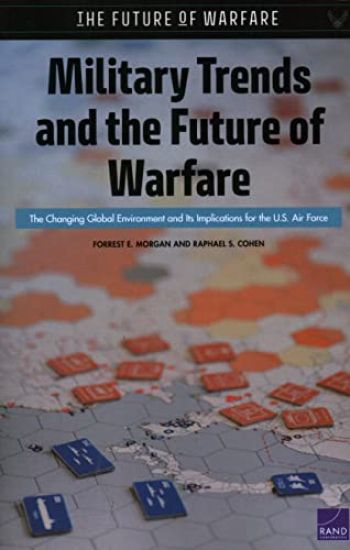
Military Trends and the Future of Warfare

Military Trends and the Future of Warfare

Forrest E Morgan; Raphael S Cohen

RAND
2022
nidottu
This volume of the Future of Warfare series examines some of the most significant factors shaping military trends over the next ten to 15 years: changes in the size, quality, and character of military forces available to the United States and its potential adversaries. The report identifies six trends regarding who and where the United States is most likely to fight in the future and how those wars will be conducted.
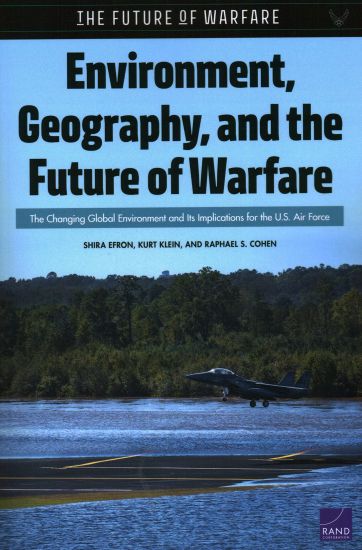
Environment, Geography, and the Future of Warfare

Environment, Geography, and the Future of Warfare

Shira Efron; Kurt Klein; Raphael S Cohen

RAND
2022
nidottu
This volume of the Future of Warfare series examines some of the most significant environmental and geographic trends that could affect U. S. national security and the future of warfare: rising global temperatures, the opening of the Arctic, sea level rise, extreme weather events, water scarcity, and increasing urbanization.
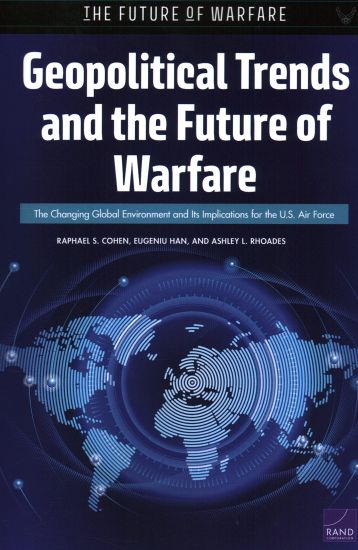
Geopolitical Trends and the Future of Warfare

Geopolitical Trends and the Future of Warfare

Raphael S Cohen; Eugeniu Han; Ashley L Rhoades

RAND
2022
nidottu
This volume of the Future of Warfare series explains six geopolitical trends--U. S. polarization and retrenchment, China's rise, Asia's realignment, emergence of a revanchist Russia, upheaval in Europe, and turmoil in the Islamic world--that will drive conflict between now and 2030. These trends will shift U. S. alliances; pull limited resources in different directions; and, ultimately, create a deepening strategic dilemma for U. S. defense strategy.
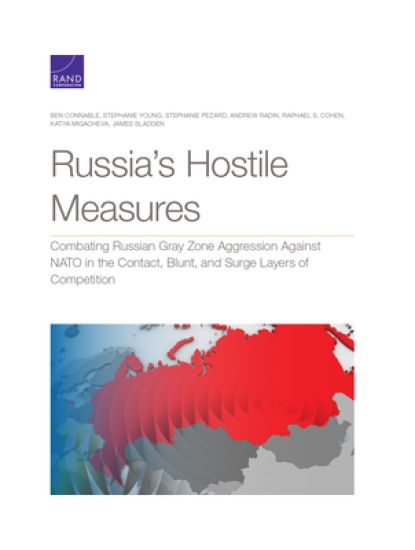
Russia's Hostile Measures

Russia's Hostile Measures

Ben Connable; Stephanie Young; Stephanie Pezard; Andrew Radin; Raphael S Cohen; Katya Migacheva; James Sladden

RAND
2020
nidottu
Russia has historically succeeded in using various hostile measures to sow disorder, weaken democratic institutions, and undermine Western alliances. However, it also has a long track record of strategic shortfalls and even ineptitude. Exploring opportunities to deter, prevent, and counter Russian hostile behavior will benefit NATO and other Western powers in the so-called gray zone short of war, as well as in a conventional warfare scenario.
The History and Politics of Defense Reviews
Defense reviews are political documents, as much as they are analytical ones. This report traces the post-Cold War history of defense reviews and explores the political dynamics behind their creation. It explains why defense reviews often embrace the status quo; predicts what factors may help develop more-innovative findings; and recommends ways that the services and the Department of the Defense can maximize these reviews in the future.
Implications of the Security Cooperation Office Transition in Afghanistan for Special Operations Forces

Implications of the Security Cooperation Office Transition in Afghanistan for Special Operations Forces

Jason H Campbell; Richard S Girven; Ben Connable; Jonah Blank; Raphael S Cohen; Larry Hanauer; William Young; Linda Robinson; Sean Mann

RAND
2017
nidottu
This report presents findings from an examination of six historical case studiesa "in Iraq, Jordan, Pakistan, the Philippines, Uganda, and Yemena "in which the mission of special operations forces in each of the six countries transitioned over time to include some level of inclusion in the U. S. embassya (TM)s Security Cooperation Office, with a focus on what lessons these experiences offer for the transition of SOF in Afghanistan.
Nato's Northeastern Flank

Nato's Northeastern Flank

Christopher S Chivvis; Raphael S Cohen; Bryan Frederick; Daniel S Hamilton; F Stephen Larrabee; Bonny Lin

RAND
2017
nidottu
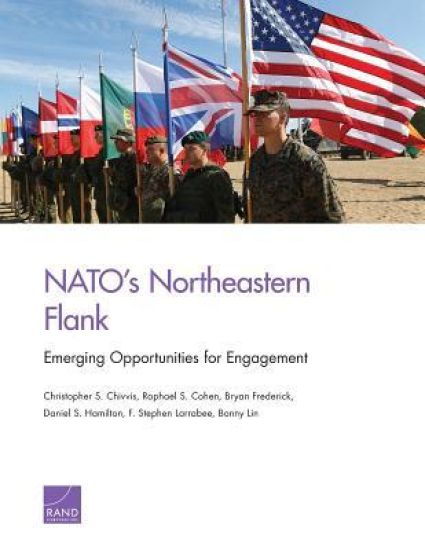
This report examines the impact of renewed tension between NATO and Russia on key allies and partners in central and northeastern Europe. The objective is to identify how changes in the interests, security strategies, and defense capabilities of these countries affect U. S. partnering in the region, with a focus on implications for the U. S. Air Force. Opportunities for strengthening partnerships exist in many areas.
Sustaining the Army's Reserve Components as an Operational Force

Sustaining the Army's Reserve Components as an Operational Force

Christopher M Schnaubelt; Raphael S Cohen; Molly Dunigan; Gian Gentile; Jaime L Hastings; Joshua Klimas; Jefferson P Marquis; Agnes Gereben Schaefer; Bonnie Triezenberg; Michelle Darrah Ziegler

RAND
2017
nidottu
This report identifies emerging policy lessons regarding the use of, and reforms to, the U. S. Army's Reserve Components (RCs) as an operational reserve derived from analyses of their contributions to Operations Enduring Freedom, Iraqi Freedom, New Dawn, and other recent contingency operations. These lessons can be applied to sustain the readiness of the U. S. Army Reserve and Army National Guard in future contingencies.
Air Force Strategic Planning

Air Force Strategic Planning

Raphael S. Cohen

RAND
2017
pokkari
With the Air Force facing congressional pressure to reduce its headquarters staff, many question the utility of Air Force strategic planning and the need to produce public strategy documents. This report examines the history of strategic planning efforts in the U. S. Air Force. Ultimately, this report argues that the Air Force still needs strategic planning, but needs to apply five basic lessons to get the most out of the process.
Improving Strategic Competence

Improving Strategic Competence

Linda Robinson; Paul D. Miller; John Gordon; Jeffrey Decker; Michael Schwille; Raphael S. Cohen

RAND
2015
pokkari
Drawing lessons from the past 13 years of war, this study analyzes the future operating environment and identifies critical requirements for land forces and special operations forces to operate successfully in conjunction with joint, interagency, and multinational partners in irregular and hybrid conflicts.