Kirjojen hintavertailu – 12 875 630 kirjaa ja 26 kauppaa

Kirjailija

Rauli Partanen

Kirjat ja teokset yhdessä paikassa: 6 kirjaa, julkaisuja vuosilta 2013–2020, suosituimpiin kuuluu The World After Cheap Oil. Vertaile teosten hintoja ja tarkista saatavuus suomalaisista kirjakaupoista.

6 kirjaa

Kirjojen julkaisuvuodet: 2013–2020.

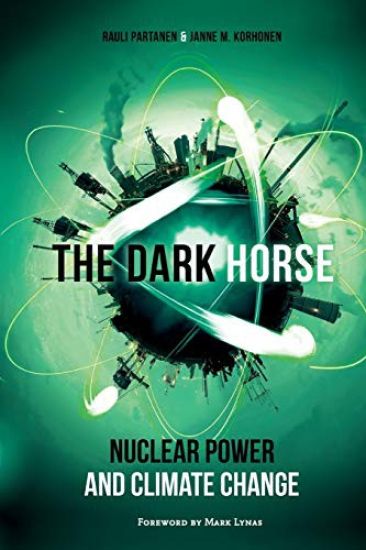
The Dark Horse: Nuclear Power and Climate Change

The Dark Horse: Nuclear Power and Climate Change

Janne M. Korhonen; Rauli Partanen

National Library of Finland
2020
nidottu
Climate scientists consider climate change to be among top threats to humanity's future. If unchecked, runaway climate change can destroy not just many of our current ecosystems, but wreak havoc in human societies as well. To prevent the worst catastrophe, greenhouse gas emissions from our energy system needs to decline to zero rapidly. We need to replace fossil fuels, which represent roughly 85 % of our energy production, with low-carbon alternatives. To manage this in a low-risk and timely manner, all tools need to be utilized to their maximum potential, including nuclear energy. Nuclear is surrounded by colourful rhetoric, politics, fear and fearmongering, click-bait scandal-headlines and mental images of dangerous radiation and catastrophic accidents. But how much of this is warranted, and how much is based on beliefs, opinions and prejudices? How dangerous is ionizing radiation really? What happened in Chernobyl and Fukushima, and what are the best estimates on their effects on public health and the environment? And can we harness nuclear energy to play a major role in decarbonizing our energy systems rapidly and more affordably? This book takes a serious look how the climate change mitigation is progressing, what needs to be done, and how nuclear has helped in the past, and can help us in the future. Partanen is an award-winning science writer and analyst on climate, environment, energy and society. Korhonen did his PhD in the history of technology, has written about climate and energy for years and is currently researching "Plan B", and emergency program for climate change mitigation.
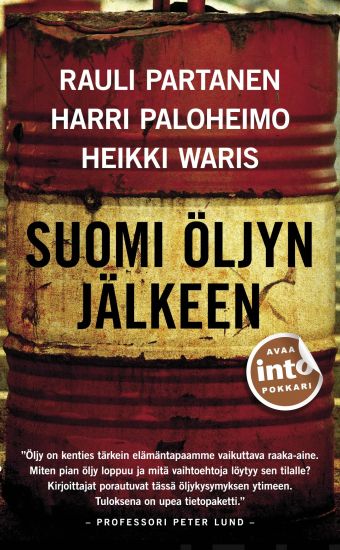
Suomi öljyn jälkeen

Suomi öljyn jälkeen

Rauli Partanen; Harri Paloheimo; Heikki Waris

Into Kustannus
2016
pokkari

Halvin toimitettuna 9,90 €

Suomi öljyn jälkeen latoo pöytään kovat faktat herkullisessa paketissa: Suomi nielee öljyä 200 000 tynnyriä päivässä, lähes 400 litraa joka ikinen sekunti. Elintasomme on rakennettu suomalaisen sisun lisäksi halvalla öljyllä, ja öljyn mukana elintasomme myös seisoo tai romahtaa. Nyt maailman öljy hupenee: halpa ja helppo öljy on pumpattu lähes viimeiseen pisaraan. Miten käy Suomelle – tuolle pienelle pohjoiselle maalle, jolla ei ole omaa öljyntuotantoa? Onko Suomen valtio varautunut historialliseen haasteeseen? Rauli Partanen on energiaa, öljyä, resurssiniukkuutta ja näiden kytköksiä yhteiskunnassa tutkivan ASPO Finland ry:n perustajajäsen. Heikki Waris on perustajaosakas Coreorient Oy:ssä, joka neuvoo yrityksiä öljyhuippuun valmistautumisessa. Harri Paloheimo on Coreorient Oy:n toimitusjohtaja ja ASPO Finland ry:n perustajajäsen hänkin.
The World After Cheap Oil

The World After Cheap Oil

Rauli Partanen; Harri Paloheimo; Heikki Waris

Routledge
2015
sidottu
Substantial evidence suggests that we are currently living at the peak of oil production with few prospects for cheap oil ever returning. Yet the media, politicians and regular people have hardly started to talk about what this means. Oil literally runs our societies from transportation to food production to economic activity. Without oil, everything stops. There are powerful arguments that if we fail to increase oil production, we will also fail to grow our economy as a whole. For oil importing western nations the news is bleak; higher oil prices seem to put a glass ceiling on their economic growth, making current debt problems worse no matter what monetary and economic policies we might choose. The World After Cheap Oil offers a thorough package of information about oil; its uses and its role in our society’s important sectors. It presents the most prominent substitutes and alternatives, and their limits and promises. It also delves deep into the many risks, problems and mechanisms that can make the world after cheap oil a much more unstable place for nations and humanity as a whole. The book also explains why there has been so little public debate on the subject, and what the future might look like after oil production starts its final, terminal decline.
The World After Cheap Oil

The World After Cheap Oil

Rauli Partanen; Harri Paloheimo; Heikki Waris

Routledge
2014
nidottu
Substantial evidence suggests that we are currently living at the peak of oil production with few prospects for cheap oil ever returning. Yet the media, politicians and regular people have hardly started to talk about what this means. Oil literally runs our societies from transportation to food production to economic activity. Without oil, everything stops. There are powerful arguments that if we fail to increase oil production, we will also fail to grow our economy as a whole. For oil importing western nations the news is bleak; higher oil prices seem to put a glass ceiling on their economic growth, making current debt problems worse no matter what monetary and economic policies we might choose. The World After Cheap Oil offers a thorough package of information about oil; its uses and its role in our society’s important sectors. It presents the most prominent substitutes and alternatives, and their limits and promises. It also delves deep into the many risks, problems and mechanisms that can make the world after cheap oil a much more unstable place for nations and humanity as a whole. The book also explains why there has been so little public debate on the subject, and what the future might look like after oil production starts its final, terminal decline.
Suomi öljyn jälkeen

Suomi öljyn jälkeen

Rauli Partanen; Harri Paloheimo; Heikki Waris

Into Kustannus
2013
nidottu

Halvin toimitettuna 19,90 €

Tieto-Finlandia-ehdokas 2013 2010-luvulla tuotanto vähenee ja öljyn hinta nousee pilviin. Mitä tekee Suomi - tuo pieni pohjoinen maa, jolla ei ole omaa öljyntuotantoa? Miten turvataan hyvinvointivaltio, kun öljyn nouseva hinta tekee länsimaiden talouskasvun yhä vaikeammaksi? Elintasomme on rakennettu suomalaisen sisun lisäksi halvalla öljyllä, ja öljyn mukana elintasomme myös seisoo tai kaatuu. Onko Suomella suunnitelmat valmiina, kun ne kaikkein suurimmat saantivaikeudet saapuvat eli kun öljyntuotanto siirtyy yhä kriisiherkemmille alueille? Mihin oikeasti riittävät Suomen bioenergiavarat ja biojalostamokapasiteetti? Onko Suomi häviäjä suuressa kuviossa, jossa voittajia ovat öljyn nettoviejät eli Saudien prinssit, öljy-yhtiöiden suuromistajat ja johtajat, Venäjän oligarkit ja Länsi-Afrikan diktaattorit?