

Kirjailija
Raven Sinclair
Kirjat ja teokset yhdessä paikassa: 4 kirjaa, julkaisuja vuosilta 2011–2026, suosituimpiin kuuluu L'assassino non è mio marito. Vertaile teosten hintoja ja tarkista saatavuus suomalaisista kirjakaupoista.
4 kirjaa
Kirjojen julkaisuvuodet: 2011–2026.
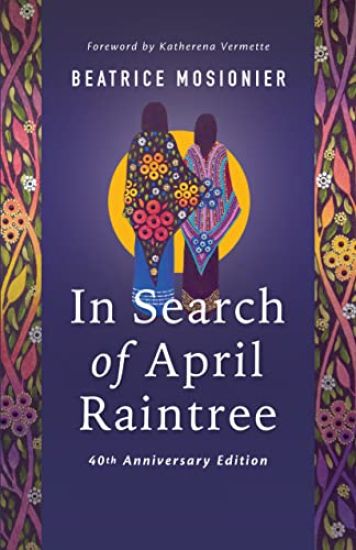
In Search of April Raintree
Beatrice Mosionier; Katherena Vermette; Raven Sinclair
Portage Main Press
2023
pokkari
Memories. Some memories are elusive, fleeting, like a butterfly that touches down and is free until it is caught. Others are haunting. You'd rather forget them, but they won't be forgotten. And some are always there. No matter where you are, they are there, too. In this moving story of legacy and reclamation, two young sisters are taken from their home and family. Powerless in a broken system, April and Cheryl are separated and placed in different foster homes. Despite the distance, they remain close, even as their decisions threaten to divide them emotionally, culturally, and geographically. As one sister embraces her Métis identity, the other tries to leave it behind. Will the sisters’ bond survive as they struggle to make their way in a society that is often indifferent, hostile, and violent? Beloved for more than 40 years, In Search of April Raintree is a timeless story that lingers long after the final page. This anniversary edition features a foreword by Governor General’s Award–winning author Katherena Vermette, and an afterword by University of Regina professor, Dr. Raven Sinclair (Ôtiskewâpit), an expert on Indigenous child welfare.
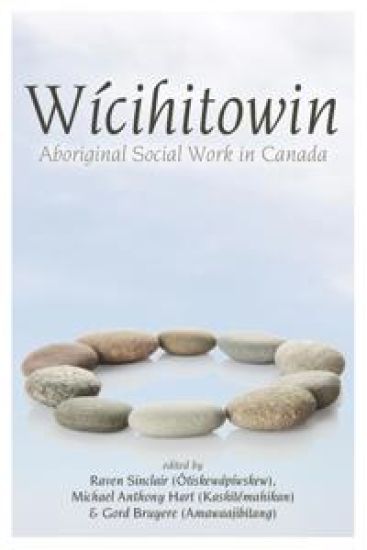
Wicihitowin
Gord Bruyere; Michael Anthony Hart; Raven Sinclair
Fernwood Publishing Co Ltd
2011
pokkari
Wicihitowin is the first Canadian social work book written by First Nations, Inuit and Metis authors who are educators at schools of social work across Canada. The book begins by presenting foundational theoretical perspectives that develop an understanding of the history of colonization and theories of decolonization and Indigenist social work. It goes on to explore issues and aspects of social work practice with Indigenous people to assist educators, researchers, students and practitioners to create effective and respectful approaches to social work with diverse populations. Traditional Indigenous knowledge that challenges and transforms the basis of social work with Indigenous and other peoples comprises a third section of the book. Wicihitowin concludes with an eye to the future, which the authors hope will continue to promote the innovations and creativity presented in this groundbreaking work."