
Kirjailija
Ray S Anderson
Kirjat ja teokset yhdessä paikassa: 25 kirjaa, julkaisuja vuosilta 1986–2013, suosituimpiin kuuluu Judas and Jesus. Vertaile teosten hintoja ja tarkista saatavuus suomalaisista kirjakaupoista.
Nimi esiintyy myös muodoissa: Ray S. Anderson
25 kirjaa
Kirjojen julkaisuvuodet: 1986–2013.
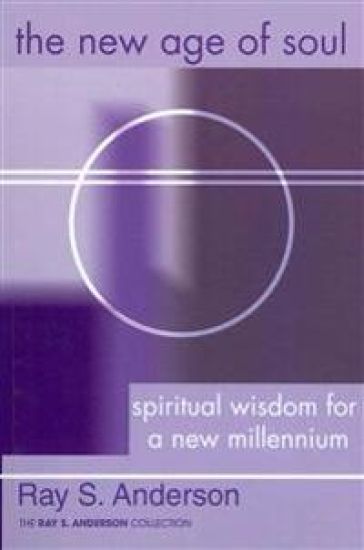
In The New Age of Soul, the broad appeal of new age spirituality is identified and defined, with special attention to the claim that the "soul" may be understood as both the repository of divine energy and a source of spiritual healing and hope. Through dialogue with sources and perspectives on the spiritual nature of the soul, the book attempts to win the respect and appreciation of the reader already persuaded by the claims and benefits of new age spirituality while, at the same time, convincing the reader who has suspicions and concerns about new age spirituality that a better alternative may be found. The book thus has a two fold purpose: first, to expose the inadequacy, indeed, the superficiality of new age spirituality through this dialogue and discussion attracting the attention and interest of the reader already influenced by this genre. Second, the author makes a case for a more traditional, orthodox, and biblical view of the soul and human spirituality so that the reader who is inclined toward new age spirituality will rediscover the more traditional biblical content of the soul and spirituality while providing the committed, more traditional Christian reader a tool by which to communicate a biblical faith with the growing segment of our population attracted toward new age spirituality. In its own way, this book is an apologetic for a more traditional Christian theology of human spirituality and self identity presented in a positive dialogue with new age spirituality
In The New Age of Soul, the broad appeal of new age spirituality is identified and defined, with special attention to the claim that the "soul" may be understood as both the repository of divine energy and a source of spiritual healing and hope. Through dialogue with sources and perspectives on the spiritual nature of the soul, the book attempts to win the respect and appreciation of the reader already persuaded by the claims and benefits of new age spirituality while, at the same time, convincing the reader who has suspicions and concerns about new age spirituality that a better alternative may be found. The book thus has a two fold purpose: first, to expose the inadequacy, indeed, the superficiality of new age spirituality through this dialogue and discussion attracting the attention and interest of the reader already influenced by this genre. Second, the author makes a case for a more traditional, orthodox, and biblical view of the soul and human spirituality so that the reader who is inclined toward new age spirituality will rediscover the more traditional biblical content of the soul and spirituality while providing the committed, more traditional Christian reader a tool by which to communicate a biblical faith with the growing segment of our population attracted toward new age spirituality. In its own way, this book is an apologetic for a more traditional Christian theology of human spirituality and self identity presented in a positive dialogue with new age spirituality
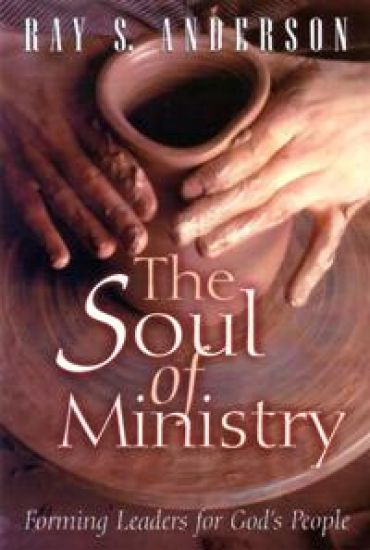
Ray Anderson offers an inspiring call for Christian leaders to view Jesus as a model for their own ministry today. The Soul of Ministry explores the idea of ministry across denominations and discovers its soul in God's love for the world. Designed for pastors of all denominations, this book combines social biblical theology with numerous real-life anecdotes from Anderson's teaching and ministry.
How do we make sense of death - in theology, in philosophy, in experience? How do religions other than Christianity deal with death and with dying? In the now predominantly secular societies of the West, what are we to make of the theologies of death develop by writers such as Becker, Hick, Thielicke and Macquarrie? Ray Anderson tackles his subject with clarity and without sentimentality. He discusses first the treatment - and indeed, the denial - of death by contemporary Western society, and its place in other religious traditions. Going on the discuss the origins of a Christian theology of death, he examines the legacy of Judaism and seeks to lay the foundations for a Christian anthropology in the unity of body and soul. Death, he argues, is alien to God's determination of our personhood. Outlining a classic Christian understanding of death and resurrection of Jesus Christ, he explores the implications of the Passion for our own mortality. Even if the sting of death has been removed, the experiences of dying and bereavement remain. Ray Anderson considers pastoral approaches to dying in the light of his observations and arguments and makes his case for re-integration of the experience of dying into our communities.