
Kirjailija
Reagan Miller
Kirjat ja teokset yhdessä paikassa: 22 kirjaa, julkaisuja vuosilta 2009–2026, suosituimpiin kuuluu Whats The Plan?. Vertaile teosten hintoja ja tarkista saatavuus suomalaisista kirjakaupoista.
22 kirjaa
Kirjojen julkaisuvuodet: 2009–2026.


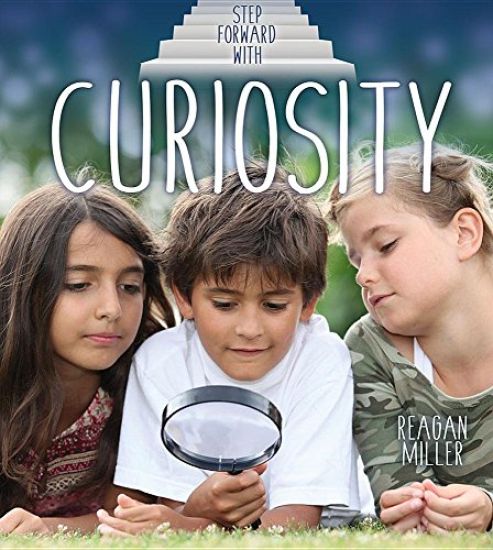
Without curiosity, we may never have known the world’s greatest inventions or discovered its most amazing places. This empowering title offers helpful ideas, practical tips, and inspiring stories about how being curious about the world around you can help you reach your goals. Inspirational stories of individuals show how their curiosity led them to regularly ask questions and seek answers leading them to uncover new and exciting things. Learn how to make curiosity a habit that will help you step forward.
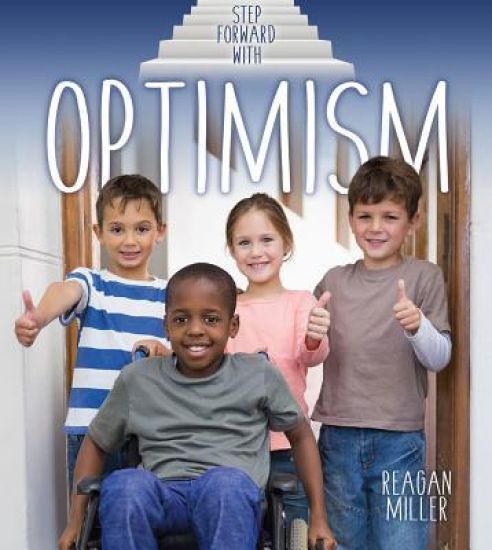
Don’t let anything get you down! Optimism allows you to be positive about your future, and always be hopeful that you will reach your goals. Without it, you might give up on chasing your dreams! This inspiring book looks at the life-changing effect optimism has in our world, and gives you tips on how to keep your head up even when situations feel tough. Learn how to have a positive outlook so you can step forward with optimism and believe that anything is possible!
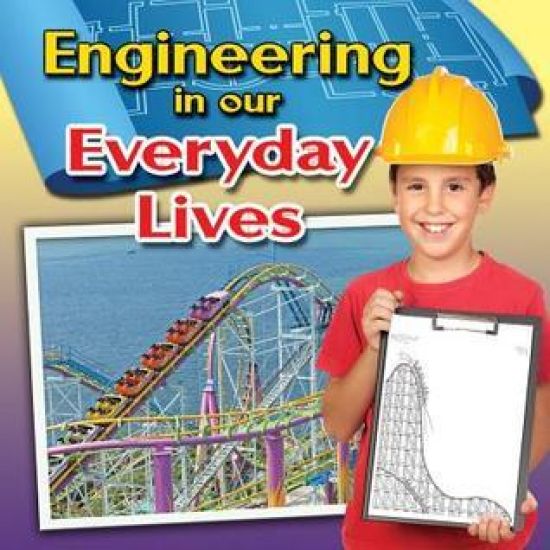
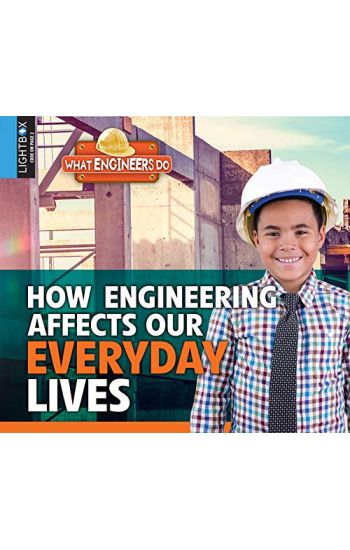
From video games and sports equipment, to cars and cleaning products, many of the things we use everyday were designed by engineers. This exciting title incorporates child-centered examples and engaging text to capture the readers’ attention as they explore the connections between engineering, science, and technology, and discover how engineering impacts our day-to-day lives.

Engineers know that there is always more than one possible solution to a problem! This interesting title uses accessible text and relatable examples to explain how engineers test and compare different solutions to determine which solution is best.

Most people try to avoid problems—but not engineers! They go out and look for problems! In this fun, new title readers will learn about the kinds of problems engineers help solve. Readers are also introduced to the tool engineers use to solve problems: The Engineering Design Process.

This intriguing book describes the characteristics of a monarchy, a political system in which political power (usually inherited) rests with a monarch—a king or queen. Today, only six nations around the world are termed absolute monarchies in which the monarch has complete power.

This interesting book describes the characteristics of a theocracy, a political system in which a deity, or god, is considered to be the supreme ruler of the state. Religion plays the central role in governing, and representatives who govern are considered to be divinely guided.

This interesting book describes the characteristics of a democracy, a political system in which the government's power comes from its citizens. Democratic governments around the world are featured to show examples of direct and representative democracy.

Children's imaginations will soar as they learn about different kinds of airplanes including jumbo jets, seaplanes, and stunt planes. This dynamic new book also describes the basic parts and functions of various airplanes.
It is essential that scientists design a plan to ensure their experiments are conducted accurately and safely. Readers will learn how to gather materials, and create a step-by-step procedure to test their hypothesis. Readers will become familiar with controls and variables in a scientific setting.
Sharpen your pencils and put on your goggles! It's time to see science in action! This book helps readers hone their observation and recording skills during an experiment. Students will learn how to effectively collect and record data in a journal, as well as organizing data using graphs, charts, and diagrams.
Science engages a curious mind. Questions can come from practically anywhere. Readers will learn why scientists ask questions and how to develop meaningful questions to help guide their scientific experiments.
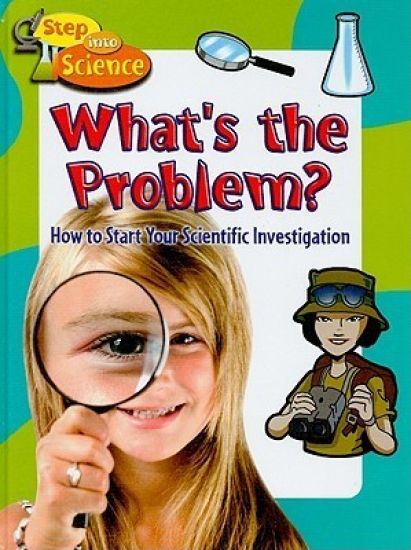
Science engages a curious mind. Questions can come from practically anywhere. Readers will learn why scientists ask questions and how to develop meaningful questions to help guide their scientific experiments. Put on your lab coat and grab your goggles! It is time to step into science! This engaging series explores each step in the scientific method. Informative text, helpful hints, and hands-on experiments will motivate readers as they learn to implement the six steps in the scientific method.

Sometimes a hunch isn't enough. Learn how scientists make educated guesses called hypotheses to test their theories. A hypothesis is the foundation of the scientific method. Readers will learn how to construct a measurable and focused hypothesis to test in an experiment. Put on your lab coat and grab your goggles! It is time to step into science! This engaging series explores each step in the scientific method. Informative text, helpful hints, and hands-on experiments will motivate readers as they learn to implement the six steps in the scientific method.
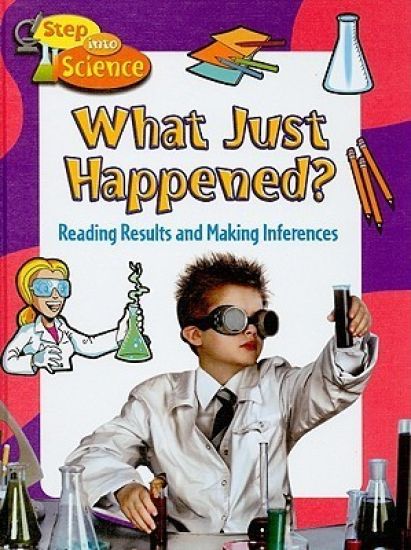
Science never stops - even when the experiment is complete. Now is the time to make sense of your data. This title teaches young scientists how to analyze, interpret, and communicate the results of their data. Put on your lab coat and grab your goggles! It is time to step into science! This engaging series explores each step in the scientific method. Informative text, helpful hints, and hands-on experiments will motivate readers as they learn to implement the six steps in the scientific method.
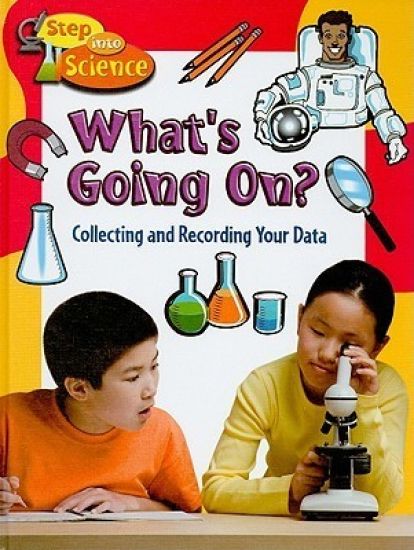
Sharpen your pencils and put on your goggles! It's time to see science in action! This book helps readers hone their observation and recording skills during an experiment. Students will learn how to effectively collect and record data in a journal, as well as organizing data using graphs, charts, and diagrams. Put on your lab coat and grab your goggles! It is time to step into science! This engaging series explores each step in the scientific method. Informative text, helpful hints, and hands-on experiments will motivate readers as they learn to implement the six steps in the scientific method.