Kirjojen hintavertailu – 12 859 819 kirjaa ja 27 kauppaa

Kirjailija

Rebecca Ann Bach

Kirjat ja teokset yhdessä paikassa: 5 kirjaa, julkaisuja vuosilta 2010–2024, suosituimpiin kuuluu Terry Pratchett Could Save the World. Vertaile teosten hintoja ja tarkista saatavuus suomalaisista kirjakaupoista.

5 kirjaa

Kirjojen julkaisuvuodet: 2010–2024.

Terry Pratchett Could Save the World

Terry Pratchett Could Save the World

Rebecca Ann Bach

TAYLOR FRANCIS LTD
2024
nidottu
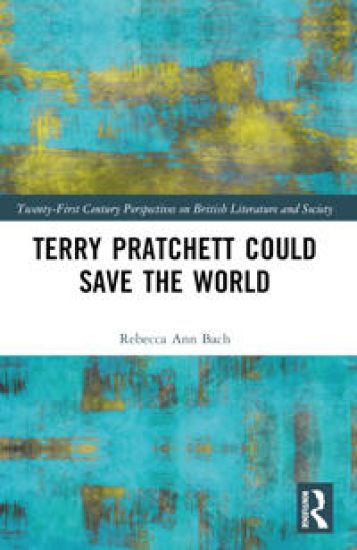
This monograph contends that attending to Pratchett’s work could help to save our world. It draws attention to the astonishing capacity of Pratchett’s novels to inspire and argues that Pratchett’s fantasy novels directly address many of the most significant challenges people in the world face: the explosion of weapons technology; the myriad issues involved in the envelopment of human life by corporatized information technology; the destructive human inattention to, and interactions with, the Earth and its life forms; and the problem of devalued labor. Paradoxically, it is Pratchett’s choice of fantasy that lets him address the reality of major issues that humanity and the rest of life confront now. Pratchett’s novels show us how to better understand and confront the problems the world is contending with. The book will interest both scholars and fans.

Terry Pratchett Could Save the World

Terry Pratchett Could Save the World

Rebecca Ann Bach

TAYLOR FRANCIS LTD
2023
sidottu
This monograph contends that attending to Pratchett’s work could help to save our world. It draws attention to the astonishing capacity of Pratchett’s novels to inspire and argues that Pratchett’s fantasy novels directly address many of the most significant challenges people in the world face: the explosion of weapons technology; the myriad issues involved in the envelopment of human life by corporatized information technology; the destructive human inattention to, and interactions with, the earth and its life forms; and the problem of devalued labor. Paradoxically, it is Pratchett’s choice of fantasy that lets him address the reality of major issues that humanity and the rest of life confront now. Pratchett’s novels show us how to better understand and confront the problems the world is contending with. The book will interest both scholars and fans.
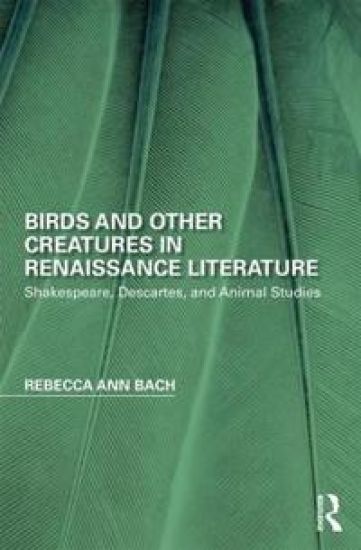
Birds and Other Creatures in Renaissance Literature
This book explores how humans in the Renaissance lived with, attended to, and considered the minds, feelings, and sociality of other creatures. It examines how Renaissance literature and natural history display an unequal creaturely world: all creatures were categorized hierarchically. However, post-Cartesian readings of Shakespeare and other Renaissance literature have misunderstood Renaissance hierarchical creaturely relations, including human relations. Using critical animal studies work and new materialist theory, Bach argues that attending closely to creatures and objects in texts by Shakespeare and other writers exposes this unequal world and the use and abuse of creatures, including people. The book also adds significantly to animal studies by showing how central bird sociality and voices were to Renaissance human culture, with many believing that birds were superior to some humans in song, caregiving, and companionship. Bach shows how Descartes, a central figure in the transition to modern ideas about creatures, lived isolated from humans and other creatures and denied ancient knowledge about other creatures’ minds, especially bird minds. As significantly, Bach shows how and why Descartes’ ideas appealed to human grandiosity. Asking how Renaissance categorizations of creatures differ so much from modern classifications, and why those modern classifications have shaped so much animal studies work, this book offers significant new readings of Shakespeare’s and other Renaissance texts. It will contribute to a range of fields, including Renaissance literature, history, animal studies, new materialism, and the environmental humanities.