
Kirjojen hintavertailu – 12 859 829 kirjaa ja 27 kauppaa

Kirjailija

Rebecca C. Christ

Kirjat ja teokset yhdessä paikassa: 2 kirjaa, julkaisuja vuodelta 2019, suosituimpiin kuuluu Speculative Pedagogies of Qualitative Inquiry. Vertaile teosten hintoja ja tarkista saatavuus suomalaisista kirjakaupoista.

2 kirjaa

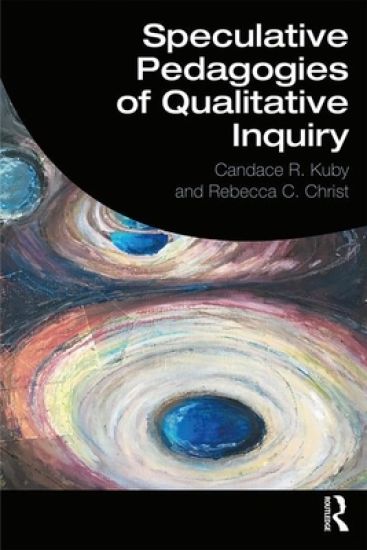
Speculative Pedagogies of Qualitative Inquiry

Speculative Pedagogies of Qualitative Inquiry

Candace R. Kuby; Rebecca C. Christ

Routledge
2019
nidottu
In Speculative Pedagogies of Qualitative Inquiry, the authors discuss what "inquiry" is and how we teach it — and if it is even possible to teach. With a proliferation of how-to manuals for doing qualitative research, the time is ripe for a discussion not only on what we teach (curriculum) but also how we teach (pedagogy). This book seeks to teach students to become qualitative inquirers, not with a formulaic recipe but rather by showing them how to think from a place of uncertain, (w)rest(full), relational liveliness. The authors seek to create qualitative inquiry courses that create spaces that consider our abilities to respond to, come to know (epistemology), be (ontology), and do (axiology) qualitative inquiry. Thus, a main thread of this book is (re)thinking and (re)imagining inquiry that they come to conceptualize as (in)query. The authors use both data from graduate level research courses and theoretical concepts from poststructuralism, posthumanism, and feminist "new" materialism. This book is timely in the face of a growing neoliberal academy that values prescription and repetition over innovation, thinking differently, and engaging with research. It will be an invaluable resource for graduate students looking to use qualitative inquiry in their research.
Speculative Pedagogies of Qualitative Inquiry

Speculative Pedagogies of Qualitative Inquiry

Candace R. Kuby; Rebecca C. Christ

Routledge
2019
sidottu
In Speculative Pedagogies of Qualitative Inquiry, the authors discuss what "inquiry" is and how we teach it — and if it is even possible to teach. With a proliferation of how-to manuals for doing qualitative research, the time is ripe for a discussion not only on what we teach (curriculum) but also how we teach (pedagogy). This book seeks to teach students to become qualitative inquirers, not with a formulaic recipe but rather by showing them how to think from a place of uncertain, (w)rest(full), relational liveliness. The authors seek to create qualitative inquiry courses that create spaces that consider our abilities to respond to, come to know (epistemology), be (ontology), and do (axiology) qualitative inquiry. Thus, a main thread of this book is (re)thinking and (re)imagining inquiry that they come to conceptualize as (in)query. The authors use both data from graduate level research courses and theoretical concepts from poststructuralism, posthumanism, and feminist "new" materialism. This book is timely in the face of a growing neoliberal academy that values prescription and repetition over innovation, thinking differently, and engaging with research. It will be an invaluable resource for graduate students looking to use qualitative inquiry in their research.