
Kirjojen hintavertailu – 12 903 724 kirjaa ja 27 kauppaa

Kirjailija

Rebecca Chávez

Kirjat ja teokset yhdessä paikassa: 2 kirjaa, julkaisuja vuodelta 2006, suosituimpiin kuuluu Developing Minority Language Resources. Vertaile teosten hintoja ja tarkista saatavuus suomalaisista kirjakaupoista.

2 kirjaa

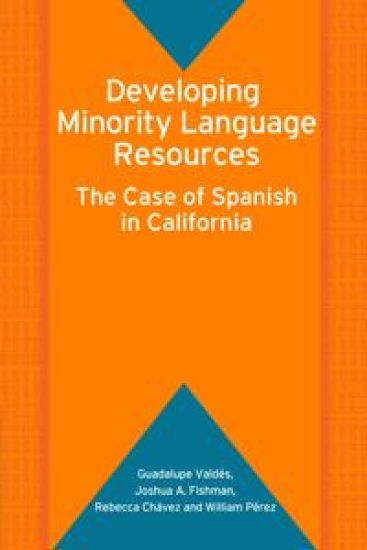
Developing Minority Language Resources

Developing Minority Language Resources

Guadalupe Valdés; Fishman Joshua A.; Rebecca Chávez; William Perez

Channel View Publications
2006
Sidottu
This book documents ongoing language shift to English among Latino professionals in California 67% of which studied Spanish formally in high school and 54% of which studied Spanish in college. Taking into account the recommendations about the teaching of Spanish as a heritage language made by these professionals, the book then describes current instructional practices used in the teaching of Spanish as an academic subject at the high school and university levels to “heritage” language students who, although educated entirely in English, acquired Spanish at home as their first language. The suggestions made by the Professionals concentrated almost exclusively on Spanish language maintenance (e.g., making cultural/historical connections; showing relevance and significance of language to students’ lives, teaching other subjects in Spanish, teaching legal, medical, business terms in Spanish). The study of goals currently guiding instruction for heritage speakers of Spanish at both the high school and the college levels, on the other hand, raise questions about the potential contribution of educational institutions to the maintenance and retention of Spanish among the current Spanish-speaking population of California.
Developing Minority Language Resources

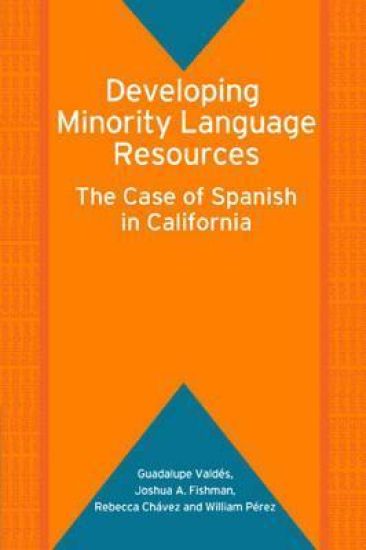
Developing Minority Language Resources

Guadalupe Valdés; Joshua A. Fishman; Rebecca Chávez; William Perez

Multilingual Matters
2006
nidottu
This book documents ongoing language shift to English among Latino professionals in California 67% of which studied Spanish formally in high school and 54% of which studied Spanish in college. Taking into account the recommendations about the teaching of Spanish as a heritage language made by these professionals, the book then describes current instructional practices used in the teaching of Spanish as an academic subject at the high school and university levels to “heritage” language students who, although educated entirely in English, acquired Spanish at home as their first language. The suggestions made by the Professionals concentrated almost exclusively on Spanish language maintenance (e.g., making cultural/historical connections; showing relevance and significance of language to students’ lives, teaching other subjects in Spanish, teaching legal, medical, business terms in Spanish). The study of goals currently guiding instruction for heritage speakers of Spanish at both the high school and the college levels, on the other hand, raise questions about the potential contribution of educational institutions to the maintenance and retention of Spanish among the current Spanish-speaking population of California.