Kirjojen hintavertailu – 12 903 725 kirjaa ja 27 kauppaa

Kirjailija

Rebecca J. Dobkins

Kirjat ja teokset yhdessä paikassa: 6 kirjaa, julkaisuja vuosilta 2008–2022, suosituimpiin kuuluu Transformations. Vertaile teosten hintoja ja tarkista saatavuus suomalaisista kirjakaupoista.

6 kirjaa

Kirjojen julkaisuvuodet: 2008–2022.

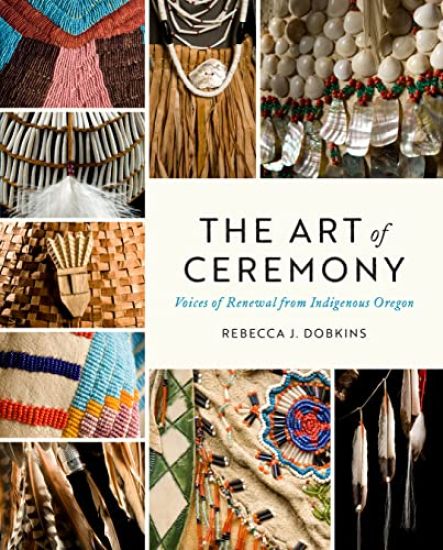
The Art of Ceremony

The Art of Ceremony

Rebecca J. Dobkins

UNIVERSITY OF WASHINGTON PRESS
2022
pokkari
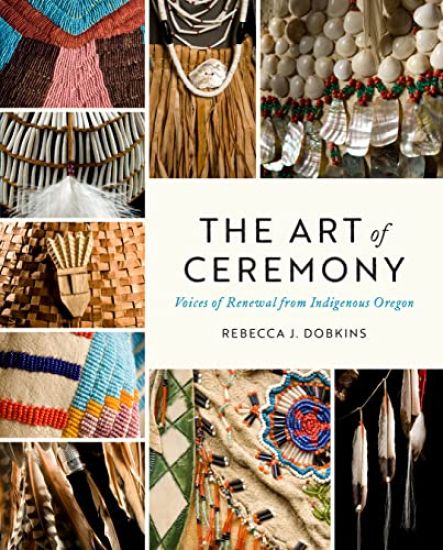
Celebrates Indigenous renewal through ceremony, understanding the impact of the past and the possibilities for the futureThe practice of ceremony offers ways to build relationships between the land and its beings, reflecting change while drawing upon deep relationships going back millennia. Ceremony may involve intricate and spectacular regalia but may also involve simple tools, such as a plastic bucket for harvesting huckleberries or a river rock that holds heat for sweat. The Art of Ceremony provides a contemporary and historical overview of the nine federally recognized tribes in Oregon, through rich conversations with tribal representatives who convey their commitments to ceremonial practices and the inseparable need to renew language, art, ecological systems, kinship relations, and political and legal sovereignty. Vivid photographs illuminate the ties between land and people at the heart of such practice, and each chapter features specific ceremonies chosen by tribal co-collaborators, such as the Siletz Nee Dosh (Feather Dance), the huckleberry gathering of the Cow Creek Umpqua, and the Klamath Return of C'waam (sucker fish) Ceremony. Part of a larger global story of Indigenous rights and cultural resurgence in the twenty-first century, The Art of Ceremony celebrates the power of Indigenous renewal, sustainable connection to the land, and the ethics of responsibility and reciprocity between the earth and all its inhabitants.
The Art of Ceremony

The Art of Ceremony

Rebecca J. Dobkins

UNIVERSITY OF WASHINGTON PRESS
2022
sidottu
Celebrates Indigenous renewal through ceremony, understanding the impact of the past and the possibilities for the futureThe practice of ceremony offers ways to build relationships between the land and its beings, reflecting change while drawing upon deep relationships going back millennia. Ceremony may involve intricate and spectacular regalia but may also involve simple tools, such as a plastic bucket for harvesting huckleberries or a river rock that holds heat for sweat. The Art of Ceremony provides a contemporary and historical overview of the nine federally recognized tribes in Oregon, through rich conversations with tribal representatives who convey their commitments to ceremonial practices and the inseparable need to renew language, art, ecological systems, kinship relations, and political and legal sovereignty. Vivid photographs illuminate the ties between land and people at the heart of such practice, and each chapter features specific ceremonies chosen by tribal co-collaborators, such as the Siletz Nee Dosh (Feather Dance), the huckleberry gathering of the Cow Creek Umpqua, and the Klamath Return of C'waam (sucker fish) Ceremony. Part of a larger global story of Indigenous rights and cultural resurgence in the twenty-first century, The Art of Ceremony celebrates the power of Indigenous renewal, sustainable connection to the land, and the ethics of responsibility and reciprocity between the earth and all its inhabitants.
Transformations

Transformations

Rebecca J. Dobkins; Tasia D. Riley; John Olbrantz

HALLIE FORD MUSEUM OF ART,US
2022
sidottu
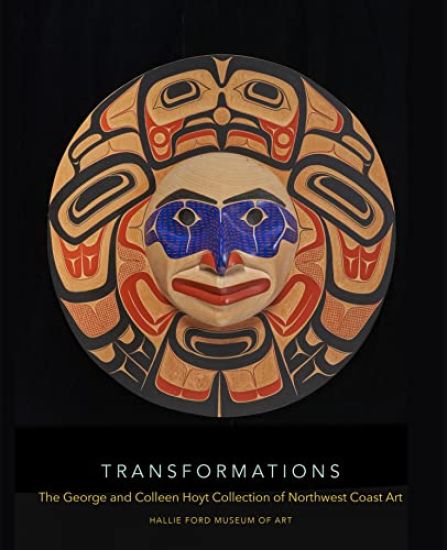
Showcases work by dozens of extraordinary Northwest Coast artists from the 1950s to the presentSince the 1980s, Oregon-based art collectors George and Colleen Hoyt have amassed one of the finest private collections of Northwest Coast art in the United States. Transformations traces the history of contemporary Northwest Coast Native art since the 1950s. Included are works by some of the region's foremost Native artists of the past half century, including Robert Davidson, Doug Cranmer, Beau Dick, and Susan Point. The collection of over six hundred prints and carvings by over one hundred artists is a promised gift from George and Colleen Hoyt to the Hallie Ford Museum of Art. Richly illustrated with color photographs, the book features a foreword by John Olbrantz, an essay by Rebecca J. Dobkins, and artist biographies by Tasia Riley. Exhibition dates: Hallie Ford Museum of Art, September 17–December 17, 2022
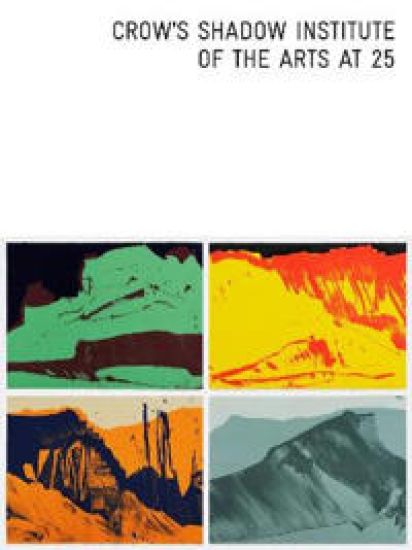
Crow's Shadow Institute of the Arts at 25

Crow's Shadow Institute of the Arts at 25

Heather Ahtone; Rebecca J. Dobkins; Prudence Roberts

Hallie Ford Museum of Art,US
2017
sidottu
Crow's Shadow Institute of the Arts at 25 explores the first twenty-five years of a remarkable nonprofit printmaking and traditional arts studio based on the Confederated Tribes of the Umatilla Indian Reservation in eastern Oregon, the only such center located on a reservation community in the United States. Art historian Prudence Roberts, drawing from conversations with CSIA founder, the artist James Lavadour, narrates the institute's history from its beginnings through the establishment of a professional quality printmaking program and an international reputation. Native American art scholar heather ahtone and curator Rebecca Dobkins trace the development of indigenous printmaking in North America, further contextualizing this story. Over sixty color plates will illustrate selected work from the dozens of artists, indigenous and non-indigenous, who have completed residencies at CSIA since its founding, including luminaries of contemporary Native American art Rick Bartow, Joe Feddersen, Jeffrey Gibson, Edgar Heap of Birds, James Lavadour, Lillian Pitt, Wendy Red Star, and Marie Watt.
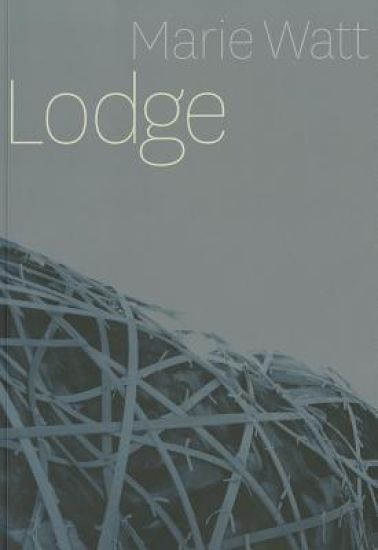
Marie Watt

Marie Watt

Rebecca J. Dobkins

Hallie Ford Museum of Art,US
2012
pokkari
Marie Watt is an American artist who lives and works in Brooklyn, New York, and Portland, Oregon. Born in 1967 to the son of Wyoming ranchers and a daughter of the Turtle Clan of the Seneca Nation (Haudenosaunee), she identifies herself as "half cowboy and half Indian." Formally, her work draws from Indigenous design principles, oral tradition, personal experience, and western art history. Her approach to art-making is shaped by the proto-feminism of Haudenosaunee matrilineal custom, political work by Native artists in the '60s, a discourse on multiculturalism, Abstract Expressionism, and Pop Art, as well as a strong belief in interaction with her audience. Like Jasper Johns, she is interested in "things that the mind already knows." Unlike the Pop artists, she uses a vocabulary of natural materials (stone, corn husks, wool, cedar) and forms (blankets, pillows, bridges) that are universal to human experience and noncommercial in character. Marie Watt: Lodge offers the first comprehensive view of her work, covering a period extending from the mid-1990s to the present.
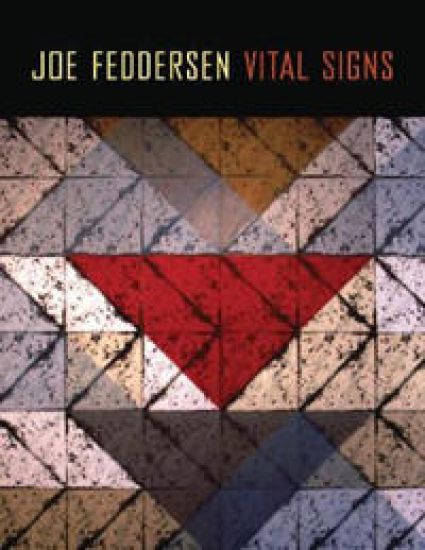
Joe Feddersen

Joe Feddersen

Rebecca J. Dobkins; Barbara Earl Thomas; Gail Tremblay

University of Washington Press
2008
pokkari
Vital signs, the pulses and patterns of the body, are indicators of essential life functions. The powerful work of Joe Feddersen reveals, like vital signs themselves, the state of the human condition from the vantage point of a contemporary artist who has inherited an ancient aesthetic tradition. Arising from Plateau Indian iconographic interpretations of the human-environment relationship, Feddersen's prints, weavings, and glass sculptures explore the interrelationships between contemporary urban place markers and indigenous design. Following in the footsteps of his Plateau Indian ancestors who "spoke to the land in the patterns of the baskets," Feddersen interprets the urbanscapes and the landscapes surrounding him and transforms those rhythms into art forms that are both coolly modern and warmly expressionistic. Joe Feddersen was born in 1953, in Omak, Washington, just off the Colville Indian Reservation. His mother was Okanogan and Lakes from Penticton, Canada; his father was the son of German immigrants. He has been a member of the art faculty at Evergreen State College in Olympia, Washington, since 1989. Rebecca J. Dobkins is a curator at the Hallie Ford Museum of Art and associate professor of anthropology at Willamette University, Salem, Oregon. Barbara Earl Thomas is a painter and writer living in Seattle. Gail Tremblay is a member of the faculty of the Evergreen State College, Olympia, Washington.