Kirjojen hintavertailu – 12 903 725 kirjaa ja 27 kauppaa
Kirjailija
Reetika Singh
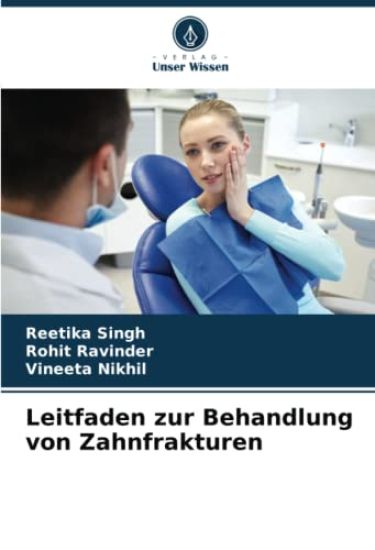
Kirjat ja teokset yhdessä paikassa: 12 kirjaa, julkaisuja vuosilta 2019–2022, suosituimpiin kuuluu Guia para gerir a fractura dentária. Vertaile teosten hintoja ja tarkista saatavuus suomalaisista kirjakaupoista.
Do you feel trapped sometimes? Do you want to clear your mind and find a purpose? This book helps you move on through depression and adds happiness to your life. In this book, you'll find poems and theories which will motivate you
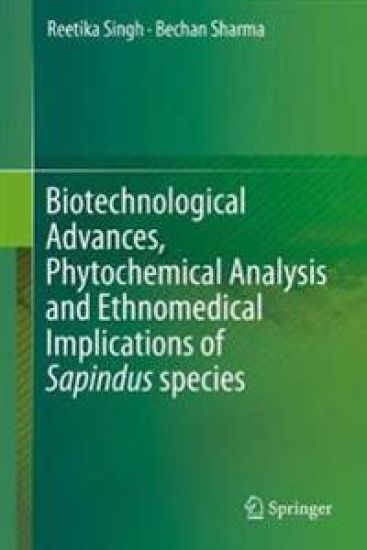
Plants have always occupied a prominent position in the life of every living being. Plants are the primary source of food, shelter and medicines. The global inclination toward herbal medicine has advanced the expansion of plant-based pharmaceutical industries to a vast extent. The production of traditional medicine at global market has been estimated to touch US $5 trillion by 2050. Some of the useful plant-based drugs include vinblastine, vincristine, taxol, podophyllotoxin, camptothecin, digoxigenin, morphine, codeine, aspirin, atropine, capscicine, allicin, curcumin, artemesinin and ephedrine. Genus Sapindus is an important economical and medicinal trees, distributed over the world. Soap nuts contain higher amount of saponin, a natural detergent which can be used to clean clothes and hairs. Sapindus species possesses various pharmacological properties including antimicrobial, antioxidant, anti-inflammatory, anticancer, hepatoprotective, anti-trichomonas activity. Extracts of this plant are rich in various phytochemicals and polyphenolic compounds. All the pharmacological properties are due to presence of saponins. Biotechnological techniques can improve the saponin content; thus this chemical content can be produced at large scale and can be used as phytomedicine. We hope that this book would be of great use to under graduates, postgraduates, scientists, researchers and faculty members who are studying, teaching or working in the field of Biotechnology, Phytochemistry and Ethnopharmacology. The techniques explained in this book could be of immense use for the researchers working in this area. We shall deeply appreciate receiving any critical comments and suggestions from the readers from the different parts of globe which would help us improve the first edition of this publication.
Plants have always occupied a prominent position in the life of every living being. Plants are the primary source of food, shelter and medicines. The global inclination toward herbal medicine has advanced the expansion of plant-based pharmaceutical industries to a vast extent. The production of traditional medicine at global market has been estimated to touch US $5 trillion by 2050. Some of the useful plant-based drugs include vinblastine, vincristine, taxol, podophyllotoxin, camptothecin, digoxigenin, morphine, codeine, aspirin, atropine, capscicine, allicin, curcumin, artemesinin and ephedrine. Genus Sapindus is an important economical and medicinal trees, distributed over the world. Soap nuts contain higher amount of saponin, a natural detergent which can be used to clean clothes and hairs. Sapindus species possesses various pharmacological properties including antimicrobial, antioxidant, anti-inflammatory, anticancer, hepatoprotective, anti-trichomonas activity. Extracts of this plant are rich in various phytochemicals and polyphenolic compounds. All the pharmacological properties are due to presence of saponins. Biotechnological techniques can improve the saponin content; thus this chemical content can be produced at large scale and can be used as phytomedicine. We hope that this book would be of great use to under graduates, postgraduates, scientists, researchers and faculty members who are studying, teaching or working in the field of Biotechnology, Phytochemistry and Ethnopharmacology. The techniques explained in this book could be of immense use for the researchers working in this area. We shall deeply appreciate receiving any critical comments and suggestions from the readers from the different parts of globe which would help us improve the first edition of this publication.