Kirjojen hintavertailu – 12 903 725 kirjaa ja 27 kauppaa

Kirjailija

Rennard Strickland

Kirjat ja teokset yhdessä paikassa: 9 kirjaa, julkaisuja vuosilta 1980–2009, suosituimpiin kuuluu The Lawyer Myth. Vertaile teosten hintoja ja tarkista saatavuus suomalaisista kirjakaupoista.

9 kirjaa

Kirjojen julkaisuvuodet: 1980–2009.

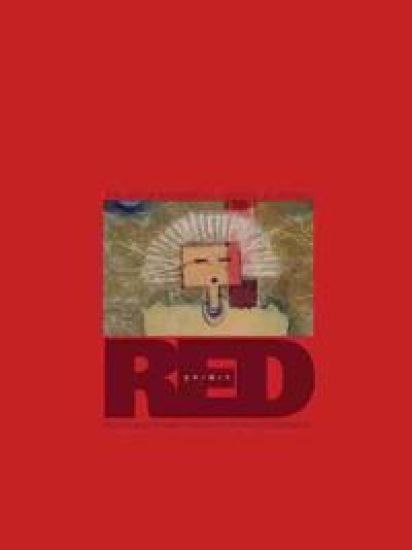
Spirit Red

Spirit Red

Rennard Strickland

Fred Jones Jr. Museum of Art
2009
nidottu
Spirit Red was published in conjunction with the 2009 exhibition celebrating the gift of Rennard Strickland's significant collection to the Fred Jones Jr. Museum of Art at the University of Oklahoma. The diverse collection of Native American art was acquired over five decades and includes more than 200 works representing some of the most acclaimed artists of the twentieth century through the present. The donation was made in memory of Strickland's mother, Adell Tucker Strickland. Essays by Rennard Strickland address the collection, his personal family history, and his relationships with the artists as a fellow member of the Native arts community.
The Lawyer Myth

The Lawyer Myth

Rennard Strickland; Frank T. Read

Swallow Press
2008
pokkari
Lawyers and the legal profession have become scapegoats for many of the problems of our age. In The Lawyer Myth: A Defense of the American Legal Profession, Rennard Strickland and Frank T. Read look behind current antilawyer media images to explore the historical role of lawyers as a balancing force in times of social, economic, and political change. One source of this disjunction of perception and reality, they find, is that American society has lost touch with the need for the lawyer’s skill and has come to blame unrelated social problems on the legal profession. This highly personal and impassioned book is their defense of lawyers and the rule of law in the United States. The Lawyer Myth confronts the hypocrisy of critics from both the right and the left who attempt to exploit popular misperceptions about lawyers and judges to further their own social and political agendas. By revealing the facts and reasoning behind the decisions in such cases as the infamous McDonald’s coffee spill, the authors provide a clear explanation of the operation of the law while addressing misconceptions about the number of lawsuits, runaway jury verdicts, and legal “technicalities” that turn criminals out on the street. Acknowledging that no system is perfect, the authors propose a slate of reforms for the bar, the judiciary, and law schools that will enable today’s lawyers-and tomorrow’s-to live up to the noble potential of their profession. Whether one thinks of lawyers as keepers of the springs of democracy, foot soldiers of the Constitution, architects and carpenters of commerce, umpires and field levelers, healers of the body politic, or simply bridge builders, The Lawyer Myth reminds us that lawyers are essential to American democracy.

The Lawyer Myth

The Lawyer Myth

Rennard Strickland; Frank T. Read

Swallow Press
2008
sidottu
Lawyers and the legal profession have become scapegoats for many of the problems of our age. In The Lawyer Myth: A Defense of the American Legal Profession, Rennard Strickland and Frank T. Read look behind current antilawyer media images to explore the historical role of lawyers as a balancing force in times of social, economic, and political change. One source of this disjunction of perception and reality, they find, is that American society has lost touch with the need for the lawyer’s skill and has come to blame unrelated social problems on the legal profession. This highly personal and impassioned book is their defense of lawyers and the rule of law in the United States. The Lawyer Myth confronts the hypocrisy of critics from both the right and the left who attempt to exploit popular misperceptions about lawyers and judges to further their own social and political agendas. By revealing the facts and reasoning behind the decisions in such cases as the infamous McDonald’s coffee spill, the authors provide a clear explanation of the operation of the law while addressing misconceptions about the number of lawsuits, runaway jury verdicts, and legal “technicalities” that turn criminals out on the street. Acknowledging that no system is perfect, the authors propose a slate of reforms for the bar, the judiciary, and law schools that will enable today’s lawyers-and tomorrow’s-to live up to the noble potential of their profession. Whether one thinks of lawyers as keepers of the springs of democracy, foot soldiers of the Constitution, architects and carpenters of commerce, umpires and field levelers, healers of the body politic, or simply bridge builders, The Lawyer Myth reminds us that lawyers are essential to American democracy.
Indian Justice

Indian Justice

John Howard Payne; Rennard Strickland

University of Oklahoma Press
2002
nidottu
In Indian Justice, Grant Foreman presents John Howard Payne's first-hand account of the trial of Archilla Smith, a Cherokee charged with the murder of John MacIntosh in the fall of 1839. The Cherokee Supreme Court at Tahlequah (in present-day Oklahoma) found Smith guilty and sentenced him to die. Occurring immediately after the Cherokee Removal to lands west of the Mississippi River, the trial involved people on both sides of the bitter factional controversies then raging in the Cherokee Nation. Payne's account of this important Indian case first appeared in two installments in the New York Journal of Commerce in 1841. In his foreword to this new edition, Rennard Strickland places the case in historical and contemporary context, exploring the evolution of tribal court systems and Indian justice over the past century and a half.
Tonto's Revenge

Tonto's Revenge

Rennard Strickland

University of New Mexico Press
1997
nidottu
How do Native Americans maintain their identity and culture in a hostile society, and to what end? This book is a passionate attempt by a leading Native American scholar to reassess the Indian world view and its importance to all Americans. His deeply felt essays project a vision of how Native Americans can recapture the power of their cultural legacies. ""What we have witnessed over the last five hundred years,"" states Rennard Strickland, ""is the domination of an ideologically superior world view (that of the Native Americans) by a technologically advanced but spiritually bankrupt civilisation (that of the discoverers)."" He proposes a reversal of this pattern, arguing that ""values must prevail over technology,"" especially if people are to attain balance and peace with themselves and their surroundings. He delineates the enduring cultural heritage of Indians in essays on law, literature, history, art, film, and culture.
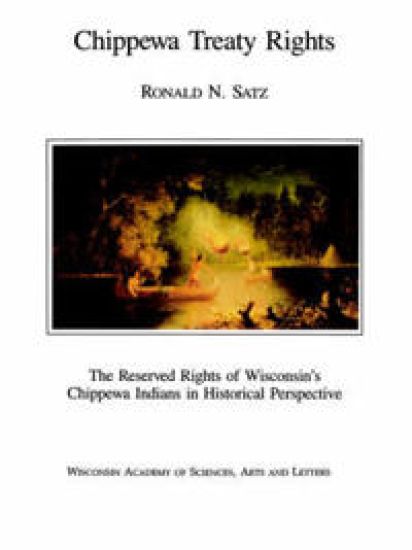
Chippewa Treaty Rights

Chippewa Treaty Rights

Ronald N. Satz; Rennard Strickland

University of Wisconsin Press
1996
nidottu
This is an account of the complex political, legal and social history of the Chippewa's struggle for justice, which should appeal to both the general public and serious scholars.
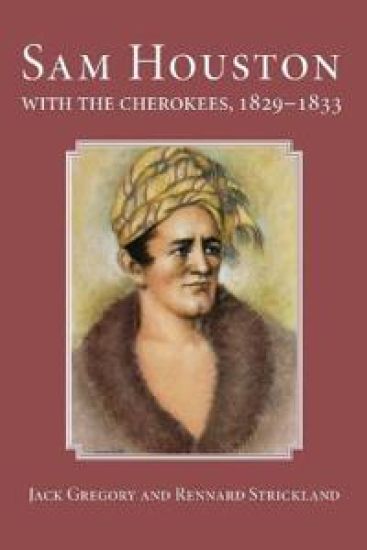
Sam Houston with the Cherokees, 1829-1833

Sam Houston with the Cherokees, 1829-1833

Rennard Strickland; Jack Gregory

University of Oklahoma Press
1996
nidottu
This is a lively effort to pierce the thick fog of Falsehood, calumny, ignorance, and legend surrounding the four years Sam Houston spent among the Cherokees in what is now northeastern Oklahoma, the broken years in Tennessee, and his advent in Texas on the eve of the War for Independence.-Virginia Quarterly Review
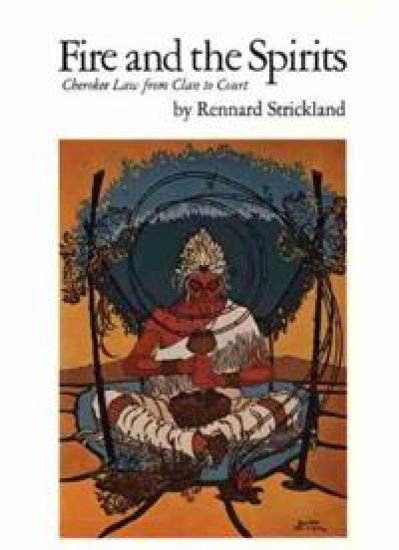
Fire and the Spirits

Fire and the Spirits

Rennard Strickland

University of Oklahoma Press
1982
nidottu
This book traces the emergency of the Cherokee system of laws from the ancient spirit decrees to the fusion of tribal law ways with Anglo-American law. The Cherokees enacted their first written law in 1808 in Georgia. In succeeding years the leaders and tribal councils of the southeastern and Oklahoma groups wrote a constitution, established courts, and enacted laws that were in accord with the old tribal values but reflected and accommodated to the whites' legal system. Thanks to the great gift of Sequoyah-his syllabary-the Cherokees were well versed in their laws, able to read and interpret them from a very early time. The system served the people well. It endured until 1898, when the federal government abolished the tribal government. The author provides a brief review of Cherokee history and explains the circumstances surrounding the stages of development of the legal system. Excerpts from editorials in the Cherokee Phoenix and the Cherokee Advocate, letters, and tribal documents give added insight into the problems the Cherokees faced and their efforts to resolve them. Of particular interest is a series of charts explaining the complex Cherokee spirit system of crimes (or ""deviations"") and the punishments meted out for them.
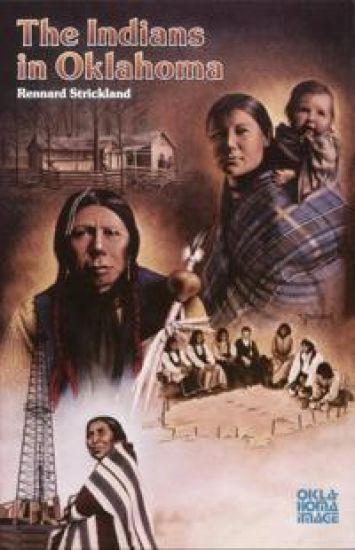
The Indians in Oklahoma

The Indians in Oklahoma

Rennard Strickland

University of Oklahoma Press
1980
nidottu
The Indians in Oklahoma, a survey of the sixty-seven tribes residing in the state, explains the colonizing process that populated Indian Territory (the future Oklahoma) with American Indians from all parts of the United States during the nineteenth century and interprets the striking cultural diversity of the Indian communities thus formed. The author separates the Native American experience in Oklahoma into four periods. This book is one of a series entitled ""Newcomers to a New Land"" which analyzes the role of the major ethnic groups that have contributed to the history of Oklahoma.