

Kirjailija
Riccardo Pelizzo
Kirjat ja teokset yhdessä paikassa: 31 kirjaa, julkaisuja vuosilta 2011–2025, suosituimpiin kuuluu Gobernanza en África. Vertaile teosten hintoja ja tarkista saatavuus suomalaisista kirjakaupoista.
31 kirjaa
Kirjojen julkaisuvuodet: 2011–2025.
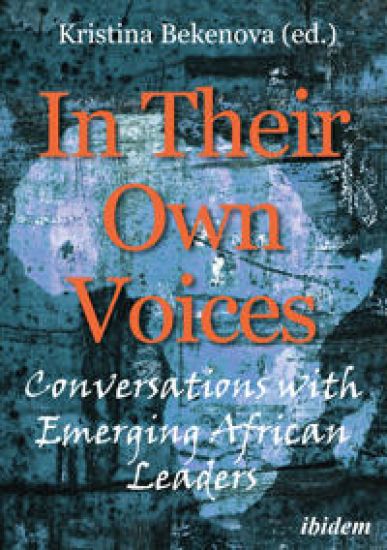
In Their Own Voices: Conversations with Emerging African Leaders
Kristina Bekenova; Riccardo Pelizzo
ibidem-Verlag, Jessica Haunschild u Christian Schon
2019
nidottu
Kristina Bekenova presents a collection of interviews with fifteen emerging African leaders, musicians, poets, artists, doctors, environmentalists, defenders of animal rights, and tour operators, from the Democratic Republic of Congo, Ethiopia, The Gambia, Nigeria, Malawi, Rwanda, Somaliland, South Africa, South Sudan, and Zimbabwe. These interviews are an important, effective, and efficient way to make Africas authentic voices heard. The interviewees explain what Africa needs most, what they are doing about it, what vision for Africa they have, and how they think their ideas can be implemented. They share genuine African bottom-up perspectives, voice their understanding of African natural and cultural issues, identify Africas true needs, and formulate recommendations from an original African perspective. This book presents a unique opportunity to hear their opinion, to learn from Africa, and to understand what the continent needs as it makes progress along its developmental path.
This book investigates parliaments’ role in curbing corruption. In addition to discussing the definition, causes, and costs of corruption and the role that parliaments have in reducing corruption, the authors consider contemporary issues that parliamentarians – and others – need to be aware of. These include the importance of broad-based coalitions to fight corruption and networking at the country, regional and global level, the importance – and difficulties – of establishing parliamentary codes of ethics/conduct, legislative oversight tools and mechanisms, and regional/international conventions against corruption. Attention will also be given to parliaments and anti-money laundering. Corruption and Legislatures presents a non-technical review of contemporary issues and recent developments in curbing corruption, and concludes with practical advice as to what can be done to ensure more effective parliamentary involvement in curbing corruption.
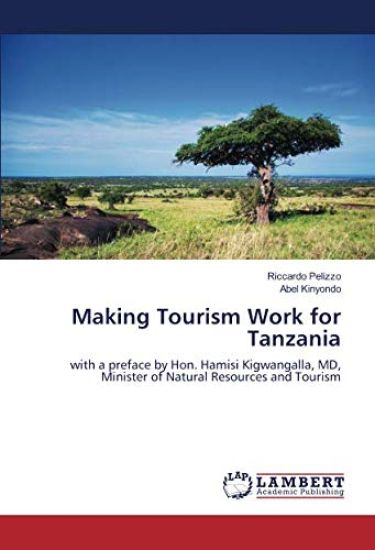
Making Tourism Work for Tanzania
Riccardo Pelizzo; Abel Kinyondo
Lap Lambert Academic Publishing
2018
nidottu
This book investigates Parliaments’ capacity to oversee government activities, policies and expenditures. Utilising a comparative approach, the book presents a new examination of oversight tools and discusses the conditions under which such tools are employed effectively. The result of a 9-year collaboration between the authors, this book draws from the findings of survey data collected by the World Bank Institute and the Inter-Parliamentary Union, analysing information from 120 parliaments. The book represents a rigorous attempt to test whether international organizations are correct in claiming that the quality of democracy and good governance can be improved by strengthening the oversight capacity of legislatures. It discusses the tools available to parliaments worldwide, and taking a comparative approach considers which tools are more or less common, how oversight capacity can be estimated, how oversight capacity is related to other institutional and constitutional factors, and above all what ensures that oversight tools are used effectively. This analysis reveals that while the quality of democracy and good governance benefit from effective oversight, oversight effectiveness cannot be reduced to oversight capacity. The book urges policy makers and reformers to change their approach from strengthening capacity to securing that the capacity is put to good use. Parliamentary Oversight Tools will be of interest to students, scholars and practitioners of legislative politics and governance.
This book investigates parliaments’ role in curbing corruption. In addition to discussing the definition, causes, and costs of corruption and the role that parliaments have in reducing corruption, the authors consider contemporary issues that parliamentarians – and others – need to be aware of. These include the importance of broad-based coalitions to fight corruption and networking at the country, regional and global level, the importance – and difficulties – of establishing parliamentary codes of ethics/conduct, legislative oversight tools and mechanisms, and regional/international conventions against corruption. Attention will also be given to parliaments and anti-money laundering. Corruption and Legislatures presents a non-technical review of contemporary issues and recent developments in curbing corruption, and concludes with practical advice as to what can be done to ensure more effective parliamentary involvement in curbing corruption.
This book investigates parliaments’ role in curbing corruption. In addition to discussing the definition, causes, and costs of corruption and the role that parliaments have in reducing corruption, the authors consider contemporary issues that parliamentarians – and others – need to be aware of. These include the importance of broad-based coalitions to fight corruption and networking at the country, regional and global level, the importance – and difficulties – of establishing parliamentary codes of ethics/conduct, legislative oversight tools and mechanisms, and regional/international conventions against corruption. Attention will also be given to parliaments and anti-money laundering. Corruption and Legislatures presents a non-technical review of contemporary issues and recent developments in curbing corruption, and concludes with practical advice as to what can be done to ensure more effective parliamentary involvement in curbing corruption.
Government Accountability and Legislative Oversight
Riccardo Pelizzo; Frederick Stapenhurst
Routledge
2013
nidottu
The purpose of the book is to investigate parliaments’ capacity to oversee government activities, policies and budget legislation. By analysing the survey data that the World Bank Institute in collaboration with the Inter-Parliamentary Union collected from 120 parliaments, Pelizzo and Stapenhurst show what tools are available to parliaments worldwide, which tools are more or less common, how oversight capacity can be estimated, and how oversight capacity is related to other institutional and constitutional factors. In addition to discussing the conditions under which oversight capacity is greater, the authors perform analyses to assess the policy implications of oversight capacity. Specifically, they look at the impact of oversight capacity on the quality of democracy and on the level of good governance.
Government Accountability and Legislative Oversight
Riccardo Pelizzo; Frederick Stapenhurst
Routledge
2013
sidottu
The purpose of the book is to investigate parliaments’ capacity to oversee government activities, policies and budget legislation. By analysing the survey data that the World Bank Institute in collaboration with the Inter-Parliamentary Union collected from 120 parliaments, Pelizzo and Stapenhurst show what tools are available to parliaments worldwide, which tools are more or less common, how oversight capacity can be estimated, how oversight capacity is related to other institutional and constitutional factors. In addition to discussing the conditions under which oversight capacity is greater, the authors perform some analyses to assess the policy implications of oversight capacity. Specifically, they look at the impact of oversight capacity on the quality of democracy and on the level of good governance.
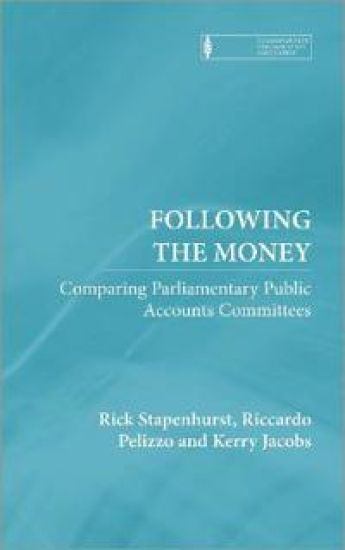
This report re-examines the ways in which parliamentary committees can enhance democratic governance. Revisiting a report first published 10 years ago, it looks at the ways in which Public Accounts Committees (PACs) work in practice, and considers whether they continue to fulfil expectations as important guarantors of good governance. Noting that PACs themselves, and our knowledge about them, have evolved substantially in the intervening decade, this volume examines the original concept of public financial accountability, noting its origins in the nineteenth century; evaluates the findings of the original study; analyses research data produced in the aftermath of the first report and considers the practices and challenges facing PACs in the second decade of the twenty-first century, such as capacity building, independence and information exchange.
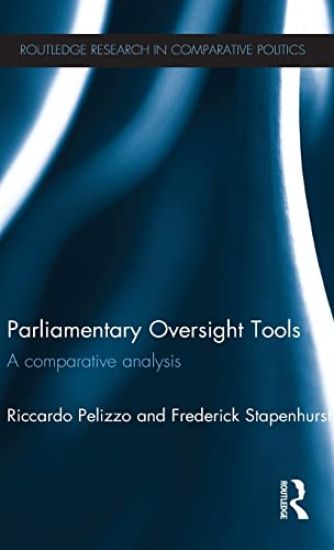
This book investigates Parliaments’ capacity to oversee government activities, policies and expenditures. Utilising a comparative approach, the book presents a new examination of oversight tools and discusses the conditions under which such tools are employed effectively. The result of a 9-year collaboration between the authors, this book draws from the findings of survey data collected by the World Bank Institute and the Inter-Parliamentary Union, analysing information from 120 parliaments. The book represents a rigorous attempt to test whether international organizations are correct in claiming that the quality of democracy and good governance can be improved by strengthening the oversight capacity of legislatures. It discusses the tools available to parliaments worldwide, and taking a comparative approach considers which tools are more or less common, how oversight capacity can be estimated, how oversight capacity is related to other institutional and constitutional factors, and above all what ensures that oversight tools are used effectively. This analysis reveals that while the quality of democracy and good governance benefit from effective oversight, oversight effectiveness cannot be reduced to oversight capacity. The book urges policy makers and reformers to change their approach from strengthening capacity to securing that the capacity is put to good use. Parliamentary Oversight Tools will be of interest to students, scholars and practitioners of legislative politics and governance.