Kirjojen hintavertailu – 12 903 725 kirjaa ja 27 kauppaa

Kirjailija

Richa Nagar

Kirjat ja teokset yhdessä paikassa: 22 kirjaa, julkaisuja vuosilta 2006–2027, suosituimpiin kuuluu Birds Never Die. Vertaile teosten hintoja ja tarkista saatavuus suomalaisista kirjakaupoista.

22 kirjaa

Kirjojen julkaisuvuodet: 2006–2027.

Birds Never Die

Birds Never Die

Richa Nagar; Medha Faust-Nagar

Bloomsbury Publishing PLC
2027
Nidottu
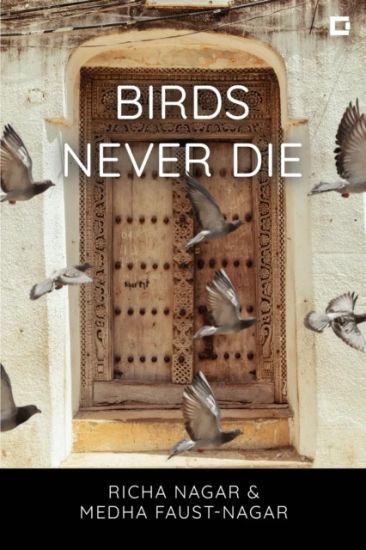
Set across four Indian cities between the 1870s and 1970s, Birds Never Die is a creative critical intervention told through the story of its protagonist, Tejas, who is stirred to pen the story of the unsung feminine labors, sorrows, and sacrifices across six generations that made her husband, Vilas Shankar, a famed Hindustani writer and national hero in the 1960s. Exploring the intricate social and cultural layers of gender, class, caste, and region, this methodological and epistemic intervention in feminist transnational and translational studies brings to life largely neglected stories of women and family over a century-long period. Beginning as a translation of an incomplete memoir by the late Pratibha Nagar, the authors’ grandmother and great grandmother, it also draws upon memoirs in Hindi by the late Sharad Nagar that were posthumously edited by his daughter, Richa. Transforming into an historical romance novel, this taps into an archive of inherited stories, lived memories, and transgenerational traumas to journey across times and places, languages and accents, dreams and nightmares.
Birds Never Die

Birds Never Die

Richa Nagar; Medha Faust-Nagar

Bloomsbury Publishing PLC
2027
Sidottu
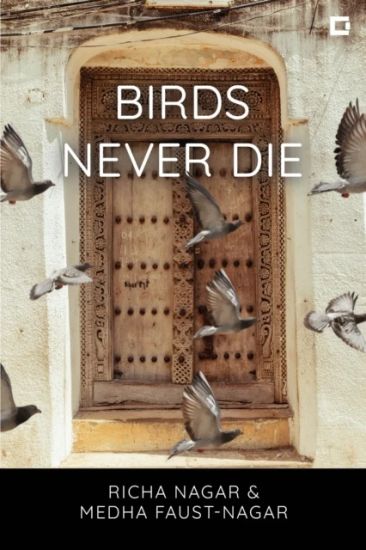
Set across four Indian cities between the 1870s and 1970s, Birds Never Die is a creative critical intervention told through the story of its protagonist, Tejas, who is stirred to pen the story of the unsung feminine labors, sorrows, and sacrifices across six generations that made her husband, Vilas Shankar, a famed Hindustani writer and national hero in the 1960s. Exploring the intricate social and cultural layers of gender, class, caste, and region, this methodological and epistemic intervention in feminist transnational and translational studies brings to life largely neglected stories of women and family over a century-long period. Beginning as a translation of an incomplete memoir by the late Pratibha Nagar, the authors’ grandmother and great grandmother, it also draws upon memoirs in Hindi by the late Sharad Nagar that were posthumously edited by his daughter, Richa. Transforming into an historical romance novel, this taps into an archive of inherited stories, lived memories, and transgenerational traumas to journey across times and places, languages and accents, dreams and nightmares.

Hungry Translations

Hungry Translations

Richa Nagar

University of Illinois Press
2019
sidottu
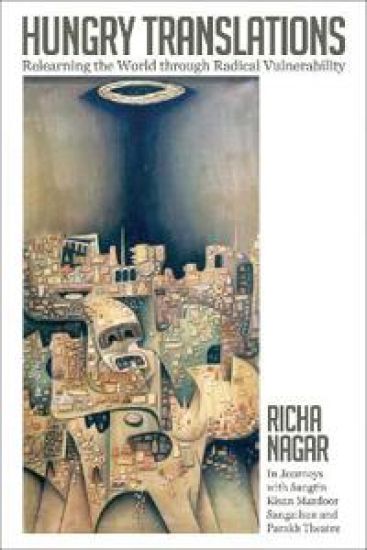
Experts often assume that the poor, hungry, rural, and/or precarious need external interventions. They frequently fail to recognize how the same people create politics and knowledge by living and honing their own dynamic visions. How might scholars and teachers working in the Global North ethically participate in producing knowledge in ways that connect across different meanings of struggle, hunger, hope, and the good life? Informed by over twenty years of experiences in India and the United States, Hungry Translations bridges these divides with a fresh approach to academic theorizing. Through in-depth reflections on her collaborations with activists, theatre artists, writers, and students, Richa Nagar discusses the ongoing work of building embodied alliances among those who occupy different locations in predominant hierarchies. She argues that such alliances can sensitively engage difference through a kind of full-bodied immersion and translation that refuses comfortable closures or transparent renderings of meanings. While the shared and unending labor of politics makes perfect translation--or retelling--impossible, hungry translations strive to make our knowledges more humble, more tentative, and more alive to the creativity of struggle.
Hungry Translations

Hungry Translations

Richa Nagar

University of Illinois Press
2019
nidottu
Experts often assume that the poor, hungry, rural, and/or precarious need external interventions. They frequently fail to recognize how the same people create politics and knowledge by living and honing their own dynamic visions. How might scholars and teachers working in the Global North ethically participate in producing knowledge in ways that connect across different meanings of struggle, hunger, hope, and the good life? Informed by over twenty years of experiences in India and the United States, Hungry Translations bridges these divides with a fresh approach to academic theorizing. Through in-depth reflections on her collaborations with activists, theatre artists, writers, and students, Richa Nagar discusses the ongoing work of building embodied alliances among those who occupy different locations in predominant hierarchies. She argues that such alliances can sensitively engage difference through a kind of full-bodied immersion and translation that refuses comfortable closures or transparent renderings of meanings. While the shared and unending labor of politics makes perfect translation--or retelling--impossible, hungry translations strive to make our knowledges more humble, more tentative, and more alive to the creativity of struggle.
Muddying the Waters

Muddying the Waters

Richa Nagar

University of Illinois Press
2014
nidottu
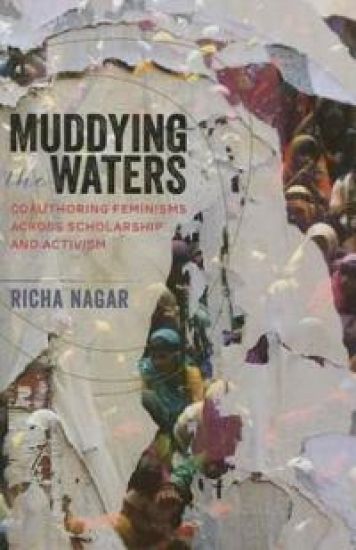
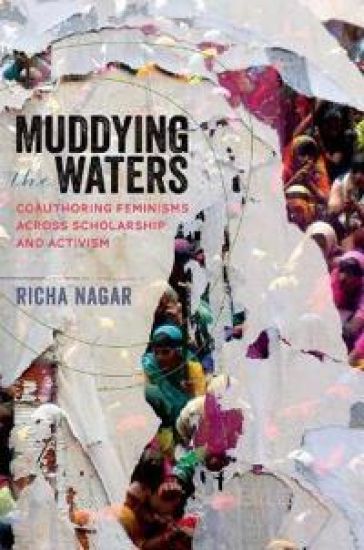
In Muddying the Waters, Richa Nagar embarks on an eloquent and moving exploration of the promises and pitfalls she has encountered during her two decades of transnational feminist work. With stories, encounters, and anecdotes as well as methodological reflections, Nagar grapples with the complexity of working through solidarities, responsibility, and ethics while involved in politically engaged scholarship. Experiences that range from the streets of Dar es Salaam to farms and development offices in North India inform discussion of the labor and politics of coauthorship, translation, and genre blending in research and writing that cross multiple--and often difficult--borders. The author links the implicit assumptions, issues, and questions involved with scholarship and political action, and explores the epistemological risks and possibilities of creative research that bring these into intimate dialogueDaringly self-conscious, Muddying the Waters reveals a politically engaged researcher and writer working to become ""radically vulnerable,"" and the ways in which such radical vulnerability can allow a re-imagining of collaboration that opens up new avenues to collective dreaming and laboring across sociopolitical, geographical, linguistic, and institutional borders.
Muddying the Waters

Muddying the Waters

Richa Nagar

University of Illinois Press
2014
sidottu
In Muddying the Waters, Richa Nagar embarks on an eloquent and moving exploration of the promises and pitfalls she has encountered during her two decades of transnational feminist work. With stories, encounters, and anecdotes as well as methodological reflections, Nagar grapples with the complexity of working through solidarities, responsibility, and ethics while involved in politically engaged scholarship. Experiences that range from the streets of Dar es Salaam to farms and development offices in North India inform discussion of the labor and politics of coauthorship, translation, and genre blending in research and writing that cross multiple--and often difficult--borders. The author links the implicit assumptions, issues, and questions involved with scholarship and political action, and explores the epistemological risks and possibilities of creative research that bring these into intimate dialogueDaringly self-conscious, Muddying the Waters reveals a politically engaged researcher and writer working to become ""radically vulnerable,"" and the ways in which such radical vulnerability can allow a re-imagining of collaboration that opens up new avenues to collective dreaming and laboring across sociopolitical, geographical, linguistic, and institutional borders.