Kirjojen hintavertailu – 12 903 725 kirjaa ja 27 kauppaa

Kirjailija

Richard B. Day

Kirjat ja teokset yhdessä paikassa: 6 kirjaa, julkaisuja vuosilta 1982–2017, suosituimpiin kuuluu The Crisis and the Crash. Vertaile teosten hintoja ja tarkista saatavuus suomalaisista kirjakaupoista.

Nimi esiintyy myös muodoissa: Richard B Day

6 kirjaa

Kirjojen julkaisuvuodet: 1982–2017.

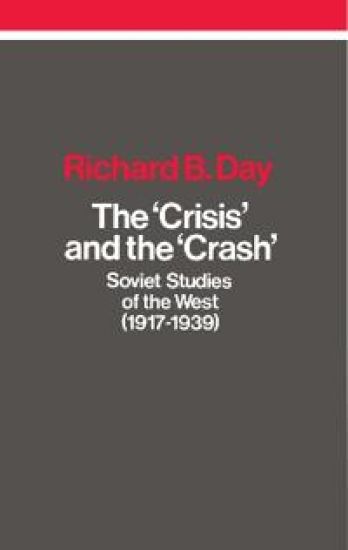
The Crisis and the Crash

The Crisis and the Crash

Richard B Day

Verso Books
2017
nidottu
A large literature exists in the West on the state that emerged from the October Revolution, and the internal controversies that punctuated its development have themselves been extensively examined. Richard Day's new book advances into territory hitherto largely neglected by Soviet scholarship - the complex debates among economists and politicians about the course and fate of the capitalist system. Day recounts the conflicting assessments of capitalism's restabilization after the First World War, detailing the theories of economic specialists like Kondrarev and Varga as well as the analyses of political theorists like Trotsky and Bukharin. He traces the Soviet response to the 1929 slump and documents the mounting political interference in scientific economic controversy by the Stalin leadership. culminating in the scurrilous assault on the most original Soviet economist of the 1920s: Evgeny Preobrazhensky. This scholarly book concludes with an account of Soviet reactions to the new era inaugurated by sweeping state intervention design. ed to eliminate capitalist crisis, as embodied in the diverse examples of Nazism and Roosevelt's New Deal. The 'Crisis' and the 'Crash' is a notable event for students of the Soviet Union and of the history of Marxist political economy.
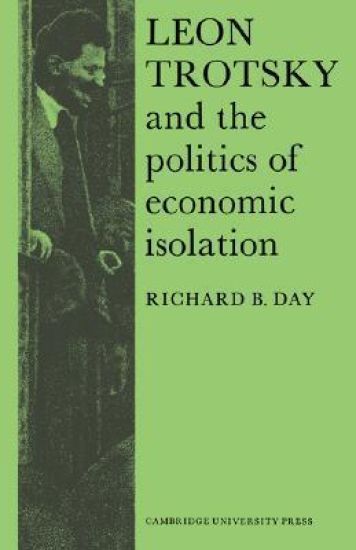
Leon Trotsky and the Politics of Economic Isolation

Leon Trotsky and the Politics of Economic Isolation

Richard B. Day

Cambridge University Press
2004
pokkari
A highly original and controversial examination of events in Soviet Russia from 1917 to 1927 in which Professor Day challenges both the standard Trotskyite and Stalinist interpretations of the period. At the same time he rejects the traditional emphasis on Trotsky’s concept of Permanent Revolution and argues that a Marxist theorist is essential. Professor Day concentrates upon the economic implications of revolutionary Russia’s isolation from Europe. How to build socialism - in a backward, war-ravaged society, without aid from the West: this problem lay behind many of the most important political conflicts of Soviet Russia’s formative years.
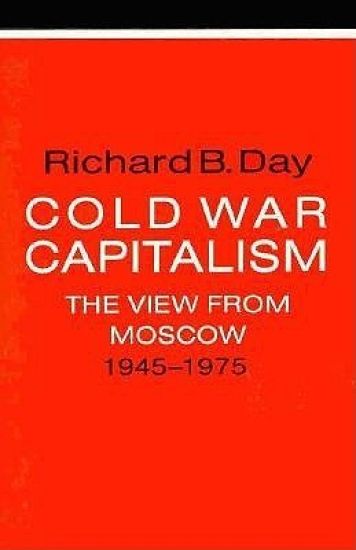
Cold War Capitalism: The View from Moscow, 1945-1975
Looking back from the perspective of the mid-1990s, it is hard to believe that Soviet power for so long presented a threat and a challenge to the capitalist system. This book examines the assumptions of Soviet post-war economic theory and policy, traces the Soviets' analysis of Western economic development from the post-war period through to the easing of international relations, and explains why the Soviets themselves believed they were going to outperform the West.
Cold War Capitalism: The View from Moscow, 1945-1975
Looking back from the perspective of the mid-1990s, it is hard to believe that Soviet power for so long presented a threat and a challenge to the capitalist system. This book examines the assumptions of Soviet post-war economic theory and policy, traces the Soviets' analysis of Western economic development from the post-war period through to the easing of international relations, and explains why the Soviets themselves believed they were going to outperform the West.
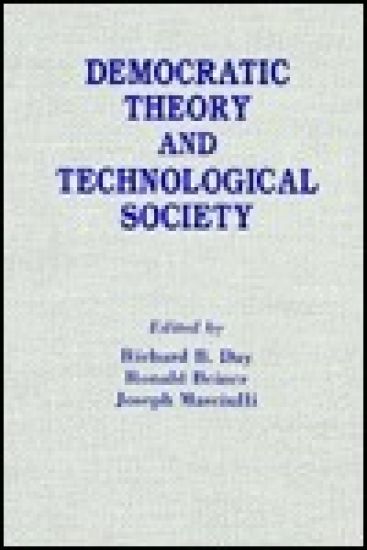
Democratic Theory and Technological Society

Democratic Theory and Technological Society

Richard B. Day; Ronald Beiner; Joseph Masciulli

M.E. Sharpe
1988
nidottu
What are the chief challenges posed to contemporary democracy by modern technology, and how can democratic theory best respond to, or at least reflect on, those challenges? Inhabiting the kind of technologically advanced era in which we live, what sources are available within political theory for theoretical insight concerning the problem of democratic engagement with technology? The purpose of this volume is to canvas a broad range of theorists and theoretical traditions in order to address these questions, including Hegel and Marx, Rousseau and John Dewey, Heidegger and Simone Weil, Habermas and Walter Benjamin, Hannah Arendt and Hans Jonas. Commentaries on all these important thinkers -- focused on the issue of contemporary technology as posing unique social and political challenges for democratic political life -- yields rich and ambitious resources for theoretical reflection.