
Kirjojen hintavertailu – 12 859 829 kirjaa ja 27 kauppaa

Kirjailija

Richard Blot

Kirjat ja teokset yhdessä paikassa: 2 kirjaa, julkaisuja vuodelta 2003, suosituimpiin kuuluu Literacy and Literacies. Vertaile teosten hintoja ja tarkista saatavuus suomalaisista kirjakaupoista.

2 kirjaa

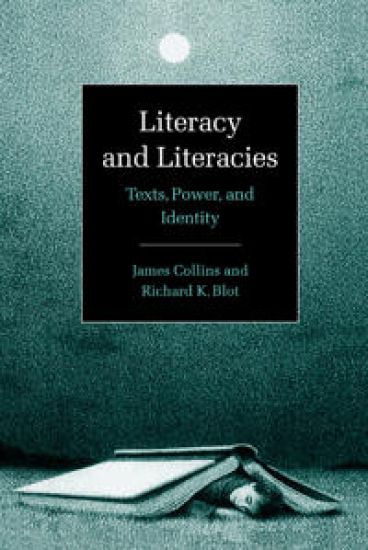
Literacy and Literacies

Literacy and Literacies

James Collins; Richard Blot

Cambridge University Press
2003
sidottu
Literacy and Literacies is an engaging account of literacy and its relation to power. The book develops a synthesis of literacy studies, moving beyond received categories, and exploring the domain of power through questions of colonialism, modern state formation, educational systems and official versus popular literacies. Collins and Blot offer in-depth critical discussion of particular cases and discuss the role of literacies in the formation of class, gender, and ethnic identity. Through their analysis of two domains - those of literacies and power, and of literacies and subjectivity - they challenge received assumptions about literacy, intellectual development and social progress and argue that neither 'universalist' nor 'particularist' accounts offer satisfactory approaches to the phenomenon. This is a sustained exploration of the domain of power in relation to literacy. It will be welcomed by students and researchers in anthropology, linguistics, literacy studies and history.
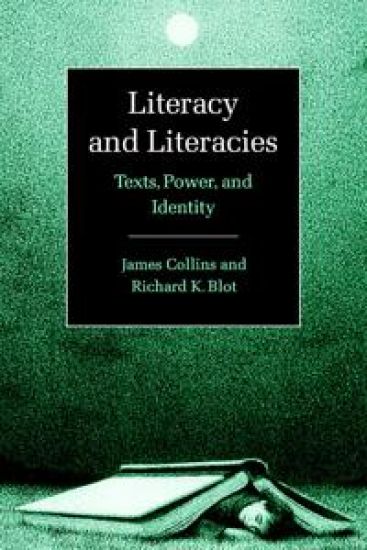
Literacy and Literacies

Literacy and Literacies

James Collins; Richard Blot

Cambridge University Press
2003
pokkari
Literacy and Literacies is a new and engaging account of literacy and its relation to power. The book develops a new synthesis of literacy studies, moving beyond received categories, and exploring the domain of power through questions of colonialism, modern state formation, educational systems and official versus popular literacies. Collins and Blot offer indepth critical discussion of particular cases and discuss the role of literacies in the formation of class, gender, and ethnic identity. Through their analysis of two domains - those of literacies and power, and of literacies and subjectivity - they challenge received assumptions about literacy, intellectual development and social progress and argue that neither ‘universalist’ nor ‘particularist’ accounts offer satisfactory approaches to the phenomenon. This is the first sustained exploration of the domain of power in relation to literacy. It will be welcomed by students and researchers in anthropology, linguistics, literacy studies and history.