Kirjojen hintavertailu – 12 859 828 kirjaa ja 27 kauppaa

Kirjailija

Richard Christensen

Kirjat ja teokset yhdessä paikassa: 4 kirjaa, julkaisuja vuosilta 2021–2022, suosituimpiin kuuluu Learning to See. Vertaile teosten hintoja ja tarkista saatavuus suomalaisista kirjakaupoista.

4 kirjaa

Kirjojen julkaisuvuodet: 2021–2022.

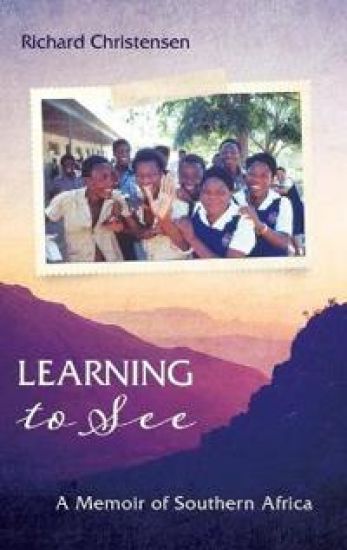
Learning to See

Learning to See

Richard Christensen

Resource Publications (CA)
2022
sidottu
Teaching in the southern African nation of Botswana in the early 1980s, Richard Christensen faced a new world, one endlessly fascinating and challenging. Experiencing warm hospitality from many people, sharing both joyful celebrations and painful struggles with students, he and his family encountered a deeper sense of the true meaning of community. Travel in apartheid South Africa and war-weary Zimbabwe gave him a fuller understanding of the reality of oppression and how people of faith endured their plight and kept hope alive. In this experience, so surprising in many ways, he came to a deepened realization of the genuine freedom of the gospel and the hope it affords us. He saw that relationships are what save us, that the salvation of God in Christ is not merely personal and individual, but communal, and that we are thus more dependent upon one another than we realize. Learning to see the world with new eyes, he discovered not only a more expansive vision of the church and the world, but also a more honest and complete understanding of himself as a product of an affluent and segregated society.

The Heidelberg Catechism

The Heidelberg Catechism

John Williamson Nevin; John Williams Proudfit; Richard Christensen

Wipf Stock Publishers
2021
sidottu
This volume is a collection of essays on the Heidelberg Catechism by John Nevin, a principal representative of the Mercersburg Theology that was birthed in nineteenth-century Pennsylvania. It also contains a critical response by John Proudfit, a more traditionally scholastic Calvinist. In these essays Nevin argued that the Heidelberg Catechism is an essential irenic confessional document that encapsulates the Reformed tradition and also builds bridges to Lutheranism and Roman Catholicism. According to Nevin the use of the Catechism is vital for shaping the identity of Christians and overcoming the dangers of individualism and subjectivism. Nevin's enthusiasm for the Catechism was a function of his understanding of the Christian life as progressive growth in Christlikeness, the church as the nurturing body of Christ, and the sacraments as conduits of Christ's vivifying personhood. These convictions stood in sharp contrast to the non-catechetical sensibilities of most nineteenth-century American Protestants who emphasized the sufficiency of Scripture alone, the church as a gathered community of like-minded individuals, dramatic conversion experiences, and the direct presence of Christ to the individual soul.