Kirjailija
Richard Foulkes
Kirjat ja teokset yhdessä paikassa: 9 kirjaa, julkaisuja vuosilta 1997–2019, suosituimpiin kuuluu Lives of Shakespearian Actors, Part III, Volume 1. Vertaile teosten hintoja ja tarkista saatavuus suomalaisista kirjakaupoista.
9 kirjaa
Kirjojen julkaisuvuodet: 1997–2019.
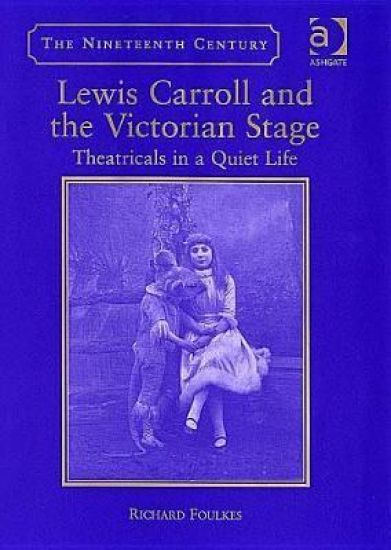
Author of the enduringly popular Alice books, mathematician, Anglican cleric, and pioneer photographer, Lewis Carroll maintained a lifelong enthusiasm for the theatre. Lewis Carroll and the Victorian Stage is the first book to focus on Carroll's irresistible fascination with all things theatrical, from childhood charades and marionettes to active involvement in the dramatisation of Alice, influential contributions to the debate on child actors, and the friendship of leading players, especially Ellen Terry. As well as being a key to his complex and enigmatic personality, Carroll's interest in the theatre provides a vivid account of a remarkable era on the stage that encompassed Charles Kean's Shakespeare revivals, the comic genius of Frederick Robson, the heyday of pantomime, Gilbert and Sullivan, opera bouffe, the Terry sisters, Henry Irving, and favourite playwrights Tom Taylor, H. A. Jones, and J. M. Barrie. With attention to the complex motives that compelled Carroll to attend stage performances, Foulkes examines the incomparable record of over forty years as a playgoer that Carroll left for posterity.
Lives of Shakespearian Actors, Part III, Volume 1
Gail Marshall; Tetsuo Kishi; Richard Foulkes; Julia Swindells; Robert Sawyer; David Francis Taylor
Routledge
2010
sidottu
Features actors who were significant in their development of new and innovative ways of performing Shakespeare. This title contains extracts from diaries, memoirs, private letters, and obituaries that present a contemporary account of their acting achievements and personal lives.
Lives of Shakespearian Actors, Part III, Volume 3
Gail Marshall; Tetsuo Kishi; Richard Foulkes; Julia Swindells; Robert Sawyer; David Francis Taylor
Routledge
2010
sidottu
Features actors who were significant in their development of new and innovative ways of performing Shakespeare. This title contains extracts from diaries, memoirs, private letters, and obituaries that present a contemporary account of their acting achievements and personal lives.
Lives of Shakespearian Actors, Part III, Volume 2
Gail Marshall; Tetsuo Kishi; Richard Foulkes; Julia Swindells; Robert Sawyer; David Francis Taylor
Routledge
2010
sidottu
Features actors who were significant in their development of new and innovative ways of performing Shakespeare. This title contains extracts from diaries, memoirs, private letters, and obituaries that present a contemporary account of their acting achievements and personal lives.
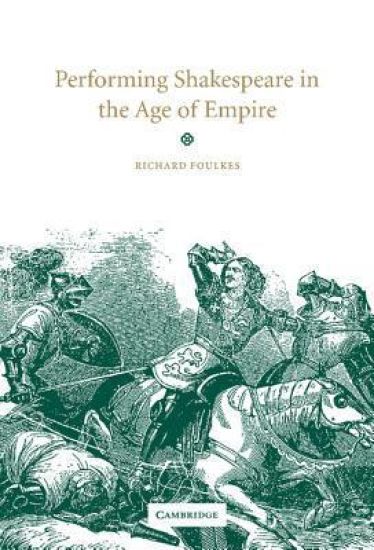
During the nineteenth century the performance of Shakespeare's plays contributed significantly to the creation of a sense of British nationhood at home and overseas. This was achieved through the enterprise of the commercial theatre rather that state subsidy and institutions. Britain had no National Theatre, but Shakespeare's plays were performed up and down the land from the fashionable West End to the suburbs of the capital and the expanding industrial conurbations to the north. British actors travelled the world to perform Shakespeare's plays, while foreign actors regarded success in London as the ultimate seal of approval. In this book, Richard Foulkes explores the political and social uses of Shakespeare through the nineteenth and into the twentieth century and the movement from the business of Shakespeare as an enterprise to that of enshrinement as a cultural icon. An examination of leading Shakespearean actors, managers and directors, from Britain and abroad, is also included in the study.
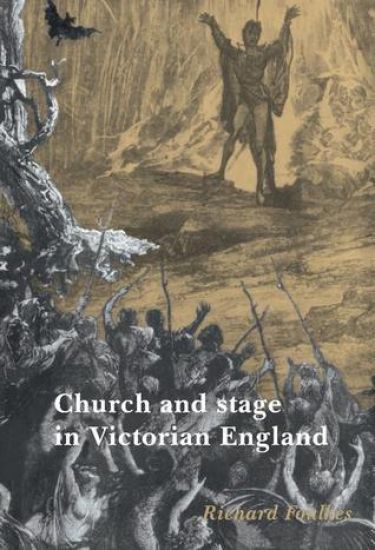
During the reign of Queen Victoria, herself an ardent theatregoer as well as Supreme Governor of the Church of England, a remarkable rapprochement was effected between the Church and the stage. This 1997 book explores the implications for the theatre of the great religious movements of the period: Tractarianism, Christian Socialism and Latitudinarianism. This central relationship is seen in the context of other important themes in Victorian cultural history such as censorship, urbanization, transport, leisure, self-improvement and women's emancipation. The volume contains portraits of significant churchmen, dramatists, actors and actresses, including Newman and Keble, Bulwer Lytton and Shaw, Irving, Fanny Kemble and Ellen Terry. They were amongst the influential figures who participated in the search for a common culture which preoccupied the nineteenth century. To the Victorians the Church and the theatre were important parts of everyday life; in this study the two institutions are explored in relation not only to each other but also to the social, economic and intellectual movements of the period.
Author of the enduringly popular Alice books, mathematician, Anglican cleric, and pioneer photographer, Lewis Carroll maintained a lifelong enthusiasm for the theatre. Lewis Carroll and the Victorian Stage is the first book to focus on Carroll's irresistible fascination with all things theatrical, from childhood charades and marionettes to active involvement in the dramatisation of Alice, influential contributions to the debate on child actors, and the friendship of leading players, especially Ellen Terry. As well as being a key to his complex and enigmatic personality, Carroll's interest in the theatre provides a vivid account of a remarkable era on the stage that encompassed Charles Kean's Shakespeare revivals, the comic genius of Frederick Robson, the heyday of pantomime, Gilbert and Sullivan, opera bouffe, the Terry sisters, Henry Irving, and favourite playwrights Tom Taylor, H. A. Jones, and J. M. Barrie. With attention to the complex motives that compelled Carroll to attend stage performances, Foulkes examines the incomparable record of over forty years as a playgoer that Carroll left for posterity.
During the nineteenth century the performance of Shakespeare’s plays contributed to the creation of a sense of British nationhood at home and overseas. British actors travelled the world to perform Shakespeare’s plays, while foreign actors regarded success in London as the ultimate seal of approval. In this book Richard Foulkes explores the political and social uses of Shakespeare through the nineteenth and into the twentieth century and the movement from the business of Shakespeare as an enterprise to that of enshrinement as a cultural icon. An examination of leading Shakespearean actors, managers and directors, from Britain and abroad, is also included in the study.
During the reign of Queen Victoria, herself an ardent theatregoer as well as Supreme Governor of the Church of England, a remarkable rapprochement was effected between the Church and the stage. Dr Foulkes explores the implications for the theatre of the great religious movements of the period: Tractarianism, Christian Socialism and Latitudinarianism. This central relationship is seen in the context of other important themes in Victorian cultural history such as censorship, urbanisation, transport, leisure, self-improvement and women’s emancipation. The volume contains portraits of significant churchmen, dramatists, actors and actresses, including Newman and Keble, Bulwer Lytton and Shaw, Irving, Fanny Kemble and Ellen Terry. They were amongst the influential figures who participated in the search for a common culture which preoccupied the nineteenth century.