Kirjojen hintavertailu – 12 903 724 kirjaa ja 27 kauppaa

Kirjailija

Richard G. Tedeschi

Kirjat ja teokset yhdessä paikassa: 13 kirjaa, julkaisuja vuosilta 1999–2025, suosituimpiin kuuluu After the Suicide Funeral. Vertaile teosten hintoja ja tarkista saatavuus suomalaisista kirjakaupoista.

Nimi esiintyy myös muodoissa: Richard G Tedeschi

13 kirjaa

Kirjojen julkaisuvuodet: 1999–2025.

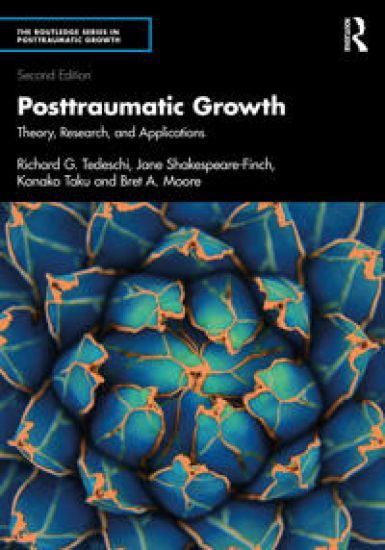
Posttraumatic Growth

Posttraumatic Growth

Richard G. Tedeschi; Jane Shakespeare-Finch; Kanako Taku; Bret A. Moore

TAYLOR FRANCIS LTD
2025
sidottu
The new edition of Posttraumatic Growth: Theory, Research, and Applications includes the latest developments in the science of posttraumatic growth, including responses to the COVID-19 pandemic, epigenetics, and new interventions to facilitate growth after trauma. The book provides a wide range of answers to questions about the theory behind posttraumatic growth (PTG), its synthesis and contrast with other theories and models, and its applications in diverse settings. Posttraumatic Growth starts with an overview of the history, components, and outcomes of PTG. Next, chapters review quantitative, qualitative, and cross-cultural research on PTG, including in relation to cognitive function, identity formation, cross-national and gender differences, and similarities and differences between adults and children. The final section shows readers how to facilitate optimal outcomes with PTG at the level of the individual, the group, the community, and society.
Posttraumatic Growth

Posttraumatic Growth

Richard G. Tedeschi; Jane Shakespeare-Finch; Kanako Taku; Bret A. Moore

TAYLOR FRANCIS LTD
2025
nidottu
The new edition of Posttraumatic Growth: Theory, Research, and Applications includes the latest developments in the science of posttraumatic growth, including responses to the COVID-19 pandemic, epigenetics, and new interventions to facilitate growth after trauma. The book provides a wide range of answers to questions about the theory behind posttraumatic growth (PTG), its synthesis and contrast with other theories and models, and its applications in diverse settings. Posttraumatic Growth starts with an overview of the history, components, and outcomes of PTG. Next, chapters review quantitative, qualitative, and cross-cultural research on PTG, including in relation to cognitive function, identity formation, cross-national and gender differences, and similarities and differences between adults and children. The final section shows readers how to facilitate optimal outcomes with PTG at the level of the individual, the group, the community, and society.
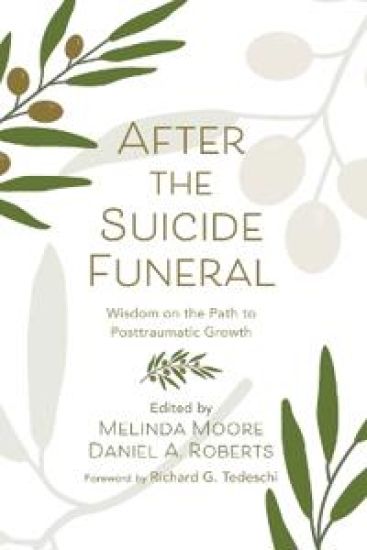
After the Suicide Funeral

After the Suicide Funeral

Richard G Tedeschi

Resource Publications (CA)
2022
pokkari
After the Suicide Funeral: Wisdom on the Path to Posttraumatic Growth references the long and painful journey of bereavement that many suicide-loss-survivors experience in the wake of losing their loved one. A new area of positive psychology offers another vehicle for understanding the consequences of this experience by investigating the possibilities for personal growth within the context of this distressing and traumatic event. There is much to be mined by exploring faith as both a facilitator of growth and an outcome of growth. The contributors to this book are all suicide bereaved and have written short essays about how faith changed and grew as they traversed their journey of bereavement and also buoyed them in their darkest time of loss. Contributors are faith leaders, mental health professionals, caring survivors, and leaders in the fields of suicidology, thanatology, and bereavement. A must-read for any survivor of suicide loss.
After the Suicide Funeral

After the Suicide Funeral

Richard G Tedeschi

Resource Publications (CA)
2022
sidottu
After the Suicide Funeral: Wisdom on the Path to Posttraumatic Growth references the long and painful journey of bereavement that many suicide-loss-survivors experience in the wake of losing their loved one. A new area of positive psychology offers another vehicle for understanding the consequences of this experience by investigating the possibilities for personal growth within the context of this distressing and traumatic event. There is much to be mined by exploring faith as both a facilitator of growth and an outcome of growth. The contributors to this book are all suicide bereaved and have written short essays about how faith changed and grew as they traversed their journey of bereavement and also buoyed them in their darkest time of loss. Contributors are faith leaders, mental health professionals, caring survivors, and leaders in the fields of suicidology, thanatology, and bereavement. A must-read for any survivor of suicide loss.
Posttraumatic Growth

Posttraumatic Growth

Richard G. Tedeschi; Jane Shakespeare-Finch; Kanako Taku

Routledge
2018
nidottu
Posttraumatic Growth reworks and overhauls the seminal 2006 Handbook of Posttraumatic Growth. It provides a wide range of answers to questions concerning knowledge of posttraumatic growth (PTG) theory, its synthesis and contrast with other theories and models, and its applications in diverse settings. The book starts with an overview of the history, components, and outcomes of PTG. Next, chapters review quantitative, qualitative, and cross-cultural research on PTG, including in relation to cognitive function, identity formation, cross-national and gender differences, and similarities and differences between adults and children. The final section shows readers how to facilitate optimal outcomes with PTG at the level of the individual, the group, the community, and society.
Posttraumatic Growth

Posttraumatic Growth

Richard G. Tedeschi; Jane Shakespeare-Finch; Kanako Taku

Routledge
2018
sidottu
Posttraumatic Growth reworks and overhauls the seminal 2006 Handbook of Posttraumatic Growth. It provides a wide range of answers to questions concerning knowledge of posttraumatic growth (PTG) theory, its synthesis and contrast with other theories and models, and its applications in diverse settings. The book starts with an overview of the history, components, and outcomes of PTG. Next, chapters review quantitative, qualitative, and cross-cultural research on PTG, including in relation to cognitive function, identity formation, cross-national and gender differences, and similarities and differences between adults and children. The final section shows readers how to facilitate optimal outcomes with PTG at the level of the individual, the group, the community, and society.
The Post-Traumatic Growth Workbook

The Post-Traumatic Growth Workbook

Richard G Tedeschi; Bret A. Moore

New Harbinger Publications
2017
pokkari

Halvin toimitettuna 24,00 €

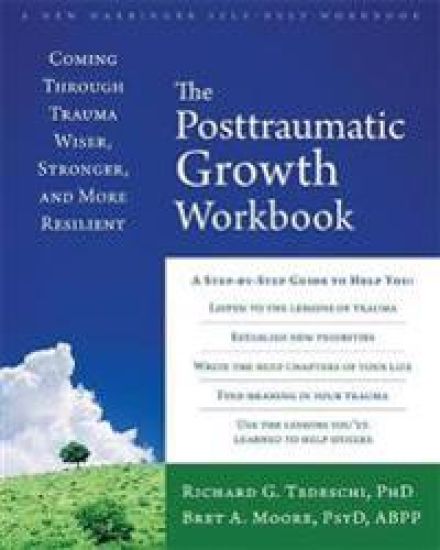
There is no denying the psychological and physical costs of trauma, but suffering a traumatic experience does not necessarily mean you'll develop post-traumatic stress disorder (PTSD) and have to live with its debilitating long-term symptoms. While the process of recovering from trauma is difficult and painful, survivors also experience post-traumatic growth (PTG). And with the right approach to healing, the same challenges that create PTSD can also set the stage for a psychological rebirth. The Post-Traumatic Growth Workbook expands the focus on post-traumatic stress and its related difficulties to include the significant potential for positive growth in the aftermath of trauma. With this guide, you'll learn more about traumatic experiences and their short- and long-term effects, discover where you are in your own process, explore vulnerability as an important aspect of post-traumatic strength, identify and develop other strengths for coping with-and growing beyond-your trauma, and successfully integrate your experience into your personal story. Navigating the aftereffects of trauma is a difficult journey, but many people report having a new appreciation for life and feeling even more resilient after working through their traumatic event. Using this powerful, PTG-based workbook, you'll find it's possible to come out of your trauma even stronger and wiser.
Facilitating Posttraumatic Growth

Facilitating Posttraumatic Growth

Lawrence G. Calhoun; Richard G. Tedeschi

Routledge
2014
nidottu
In this book, Calhoun and Tedeschi construct the first systematic framework for clinical efforts to enhance the processes they sum up as posttraumatic growth. Posttraumatic growth is the phenomenon of positive change through struggle with even the most horrible sets of circumstances. People who experience it tend to describe three general types of change: realistically stronger feelings of vulnerability that are nonetheless accompanied by stronger feelings of personal resilience, closer and deeper relationships with others, and a stronger sense of spirituality. Posttraumatic growth has only recently become an important focus of interest for researchers and practitioners. Drawing on a burgeoning professional literature as well as on their own extensive clinical experience, the authors present strategies for helping clients effect all three types of positive change - strategies that have been tested in a variety of groups facing a variety of crises and traumas. Their concise yet comprehensive practical guide will be welcomed by all those who counsel persons grappling with the worst life has to offer.
Posttraumatic Growth in Clinical Practice

Posttraumatic Growth in Clinical Practice

Lawrence G. Calhoun; Richard G. Tedeschi

Routledge
2012
nidottu
From the authors who pioneered the concept of posttraumatic growth comes Posttraumatic Growth in Clinical Practice, a book that brings the study of growth after trauma into the twenty-first century. Clinicians will find a framework that’s easy to use and flexible enough to be tailored to the needs of particular clients and specific therapeutic approaches. And, because it utilizes a model of relating described as "expert companionship," clinicians learn how to become most empathically effective in helping a variety of trauma survivors. Clinicians will come away from this book having learned how to assess posttraumatic growth, how to address it in treatment, and they’ll also have a basic grasp of the ways the changes they’re promoting will be received in various cultural contexts. Case examples show how utilizing a process developed from an empirically-based model of posttraumatic growth can promote important personal changes in the aftermath of traumatic events.
Posttraumatic Growth in Clinical Practice

Posttraumatic Growth in Clinical Practice

Lawrence G. Calhoun; Richard G. Tedeschi

Routledge
2012
sidottu
From the authors who pioneered the concept of posttraumatic growth comes Posttraumatic Growth in Clinical Practice, a book that brings the study of growth after trauma into the twenty-first century. Clinicians will find a framework that’s easy to use and flexible enough to be tailored to the needs of particular clients and specific therapeutic approaches. And, because it utilizes a model of relating described as "expert companionship," clinicians learn how to become most empathically effective in helping a variety of trauma survivors. Clinicians will come away from this book having learned how to assess posttraumatic growth, how to address it in treatment, and they’ll also have a basic grasp of the ways the changes they’re promoting will be received in various cultural contexts. Case examples show how utilizing a process developed from an empirically-based model of posttraumatic growth can promote important personal changes in the aftermath of traumatic events.
Helping Bereaved Parents

Helping Bereaved Parents

Richard G. Tedeschi; Lawrence G. Calhoun

Routledge
2003
sidottu
This book provides a concise, yet comprehensive guide to effective work with bereaved parents, combining a broad overview of current research, theory, and practice with the authors' own extensive clinical experience. Transcripts of individual, couple, and group meetings illustrate the delicate subtleties of this work, giving the reader helpful insights into more effective clinical practice. The authors emphasize the importance of approaching each parent as a unique person, while also considering the socio-cultural context of the bereaved. This book helps clinicians approach work with bereaved parents with a less scripted format, suggesting an alternative role as expert companion to the bereaved, allowing for a more uplifting experience for both parties.
Helping Bereaved Parents

Helping Bereaved Parents

Richard G. Tedeschi; Lawrence G. Calhoun

Brunner-Routledge
2003
nidottu
Providing the clinician with an understanding of the experience of grieving parents, this text is a concise clinical on how best to assist the bereaved parent. The authors combine their extensive experience and expertise with persons who have undergone loss, with their empirical research on this topic.
Facilitating Posttraumatic Growth

Facilitating Posttraumatic Growth

Lawrence G. Calhoun; Richard G. Tedeschi

Routledge Member of the Taylor and Francis Group
1999
sidottu
In this book, Calhoun and Tedeschi construct the first systematic framework for clinical efforts to enhance the processes they sum up as posttraumatic growth. Posttraumatic growth is the phenomenon of positive change through struggle with even the most horrible sets of circumstances. People who experience it tend to describe three general types of change: realistically stronger feelings of vulnerability that are nonetheless accompanied by stronger feelings of personal resilience, closer and deeper relationships with others, and a stronger sense of spirituality. Posttraumatic growth has only recently become an important focus of interest for researchers and practitioners. Drawing on a burgeoning professional literature as well as on their own extensive clinical experience, the authors present strategies for helping clients effect all three types of positive change - strategies that have been tested in a variety of groups facing a variety of crises and traumas. Their concise yet comprehensive practical guide will be welcomed by all those who counsel persons grappling with the worst life has to offer.