
Kirjojen hintavertailu – 12 859 826 kirjaa ja 27 kauppaa

Kirjailija

Richard Gordon Gordon

Kirjat ja teokset yhdessä paikassa: 3 kirjaa, julkaisuja vuosilta 2019–2025, suosituimpiin kuuluu Repairing British Politics. Vertaile teosten hintoja ja tarkista saatavuus suomalaisista kirjakaupoista.

3 kirjaa

Kirjojen julkaisuvuodet: 2019–2025.

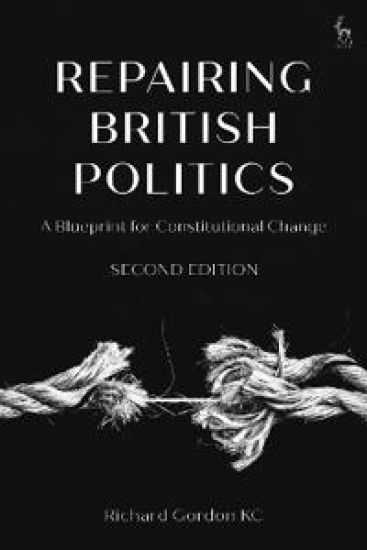
Repairing British Politics

Repairing British Politics

Richard Gordon Gordon

BLOOMSBURY PUBLISHING PLC
2025
sidottu
The 1st edition of this seminal text was written as a response to the constitutional crisis of 2009, sparked by the 'expenses scandal', which led a general distrust of the UK's entire political order. A decade on, it is no exaggeration to say that the situation has dramatically deteriorated. The UK’s constitutional order faces an existential crisis, with Brexit placing unbearable pressure on the political and legal architecture. All this makes the need for a written Constitution more pronounced. Retaining the easily accessible style of the first edition, this book addresses how this might be put in place. Part 1 sets out a number of arguments in favour of a written Constitution, as well as the most common objections. Part 2 presents a working draft in the form of one possible model for a Constitution. Observations and explanatory notes are attached to each section of this draft Constitution. This model Constitution is intended as the first stage in a public debate, designed to provoke further discussion about the content and method of legislating into law a written Constitution. Part 3 contains the draft of the Act of Parliament that would be needed to introduce any form of constitutional change. Rarely has a book been more timely or essential.
Repairing British Politics

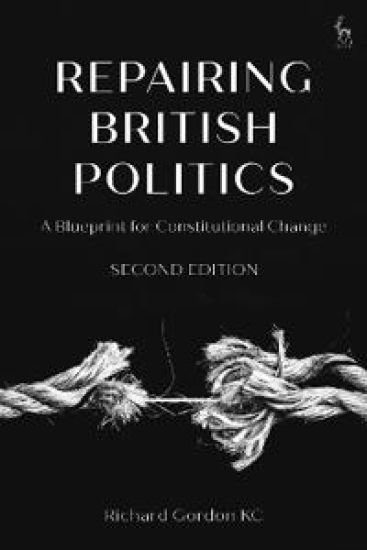
Repairing British Politics

Richard Gordon Gordon

BLOOMSBURY PUBLISHING PLC
2025
nidottu
The 1st edition of this seminal text was written as a response to the constitutional crisis of 2009, sparked by the 'expenses scandal', which led a general distrust of the UK's entire political order. A decade on, it is no exaggeration to say that the situation has dramatically deteriorated. The UK’s constitutional order faces an existential crisis, with Brexit placing unbearable pressure on the political and legal architecture. All this makes the need for a written Constitution more pronounced. Retaining the easily accessible style of the first edition, this book addresses how this might be put in place. Part 1 sets out a number of arguments in favour of a written Constitution, as well as the most common objections. Part 2 presents a working draft in the form of one possible model for a Constitution. Observations and explanatory notes are attached to each section of this draft Constitution. This model Constitution is intended as the first stage in a public debate, designed to provoke further discussion about the content and method of legislating into law a written Constitution. Part 3 contains the draft of the Act of Parliament that would be needed to introduce any form of constitutional change. Rarely has a book been more timely or essential.
Sanctions Law

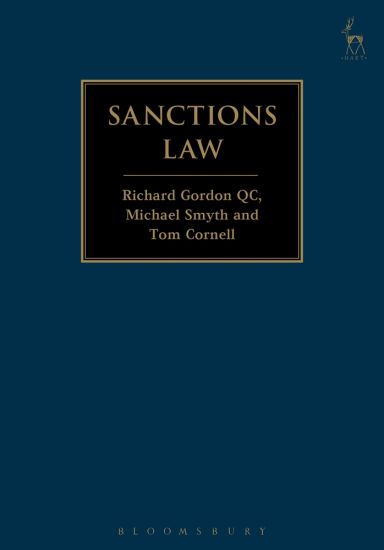
Sanctions Law

Richard Gordon Gordon; Michael Smyth; Tom Cornell

Hart Publishing
2019
sidottu
This book creates a user-friendly, accessible guide to the complex area of sanctions law. In particular, the book examines how sanctions restrictions work in practice, and what the implications are for multinational businesses operating across numerous sanctions regimes. To this extent, the book considers the interrelationship between sanctions at the supranational and national levels, including the impact of the far-reaching US sanctions regime. The book’s aim is not to provide an exhaustive list of sanctions regulations, but rather a framework for engaging with the relevant legislation and the main issues arising therefrom. Reinforcing this practical and commercially-focused approach, each chapter is written in a format that enables easy reading and rapid assimilation. Where there are relevant materials, be they legislative or case-law, these are outlined at the start of each chapter. In addition, the chapters dealing with challenges to sanctions designations each include a section with key principles, providing the clearest possible treatment of the subject.