Kirjojen hintavertailu – 12 859 818 kirjaa ja 27 kauppaa

Kirjailija

Richard H Hiers

Kirjat ja teokset yhdessä paikassa: 9 kirjaa, julkaisuja vuosilta 2001–2023, suosituimpiin kuuluu Nature and Creation. Vertaile teosten hintoja ja tarkista saatavuus suomalaisista kirjakaupoista.

Nimi esiintyy myös muodoissa: Richard H. Hiers

9 kirjaa

Kirjojen julkaisuvuodet: 2001–2023.

Nature and Creation

Nature and Creation

Richard H Hiers

Wipf Stock Publishers
2023
pokkari
People have lived on Earth since before recorded history, depending on nature to provide for, and clean up after them. But Nature cannot do it all anymore. Too many people, too much trash, and too much toxic waste. People have long lived in interdependence with other living things. Yet humans now degrade and destroy the global environment that nurtures all species--including human beings. Human activities contaminate earth, air, and sea, causing thousands of species to go extinct. Rising global heat produces vicious cycles of catastrophic drought, fires, horrific storms, floods, famines, and massive migrations by desperate climate refugees. We don't hear much anymore about man's "conquest of nature." Nature--God's creation--now clearly has the last word. Contrast the theocentric faith and ethics embedded in the Old and New Testaments. Here the good world that God created, and continues to create, was made to be shared with all other living things. All alike are made from the earth and destined to return to it. Humans were meant to till the soil, appreciate, enjoy, and care for life around them, and trust their Creator for what is yet to be.
Nature and Creation

Nature and Creation

Richard H Hiers

Wipf Stock Publishers
2023
sidottu
People have lived on Earth since before recorded history, depending on nature to provide for, and clean up after them. But Nature cannot do it all anymore. Too many people, too much trash, and too much toxic waste. People have long lived in interdependence with other living things. Yet humans now degrade and destroy the global environment that nurtures all species--including human beings. Human activities contaminate earth, air, and sea, causing thousands of species to go extinct. Rising global heat produces vicious cycles of catastrophic drought, fires, horrific storms, floods, famines, and massive migrations by desperate climate refugees. We don't hear much anymore about man's "conquest of nature." Nature--God's creation--now clearly has the last word. Contrast the theocentric faith and ethics embedded in the Old and New Testaments. Here the good world that God created, and continues to create, was made to be shared with all other living things. All alike are made from the earth and destined to return to it. Humans were meant to till the soil, appreciate, enjoy, and care for life around them, and trust their Creator for what is yet to be.
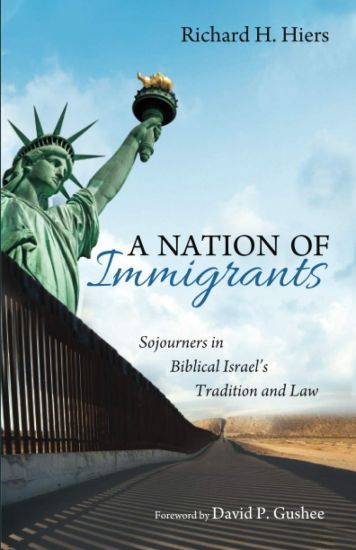
A Nation of Immigrants

A Nation of Immigrants

Richard H Hiers; David P Gushee

Resource Publications (CA)
2021
pokkari
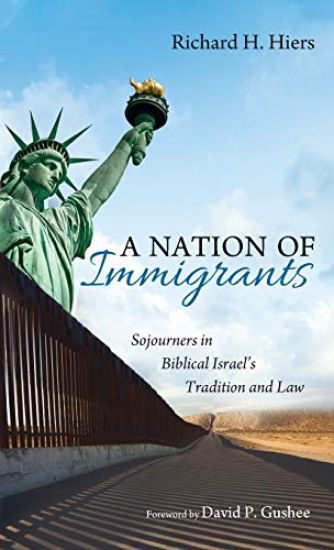
Biblical Israelites were sojourners--immigrants, refugees, and resident aliens in lands other than their own--for the greater part of two thousand years. Experiences as sojourners shaped their attitudes toward foreigners who sojourned with them, and came to expression in laws providing immigrants equal rights along with various ""safety net"" measures intended to secure their well-being. Biblical laws did not bar immigrants of any age, nation, race, or class. Nor did they require prospective immigrants to prove they were unlikely to become ""public charges."" These biblical laws reflected core beliefs, values, and hopes emphasized in other biblical traditions, such as genealogies linking all peoples and nations as kin and prophetic texts affirming all humankind as the LORD's people. Familiarity with biblical law may have influenced those who formulated our country's constitutional assurances that any person within our borders is entitled to due process and the equal protection of the laws. Since colonial times, America has been ""open to receive . . . the oppressed and persecuted of all nations and religions"" (George Washington). These biblical texts challenge us all to recognize overt and latent bigotry not only in others and in our history, but also in ourselves.
A Nation of Immigrants

A Nation of Immigrants

Richard H Hiers; David P Gushee

Resource Publications (CA)
2021
sidottu
Biblical Israelites were sojourners--immigrants, refugees, and resident aliens in lands other than their own--for the greater part of two thousand years. Experiences as sojourners shaped their attitudes toward foreigners who sojourned with them, and came to expression in laws providing immigrants equal rights along with various ""safety net"" measures intended to secure their well-being. Biblical laws did not bar immigrants of any age, nation, race, or class. Nor did they require prospective immigrants to prove they were unlikely to become ""public charges."" These biblical laws reflected core beliefs, values, and hopes emphasized in other biblical traditions, such as genealogies linking all peoples and nations as kin and prophetic texts affirming all humankind as the LORD's people. Familiarity with biblical law may have influenced those who formulated our country's constitutional assurances that any person within our borders is entitled to due process and the equal protection of the laws. Since colonial times, America has been ""open to receive . . . the oppressed and persecuted of all nations and religions"" (George Washington). These biblical texts challenge us all to recognize overt and latent bigotry not only in others and in our history, but also in ourselves.
Justice and Compassion in Biblical Law

Justice and Compassion in Biblical Law

Richard H Hiers

T. T.Clark Ltd
2010
nidottu
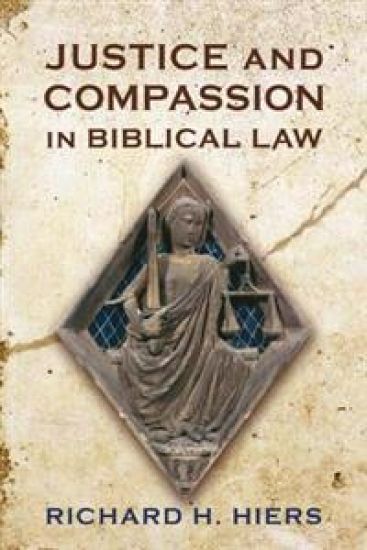
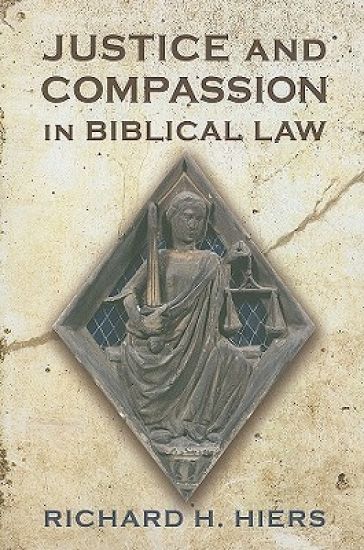
The theory and praxis of biblical law in the historical and contemporary landscape of American law and culture is contentious and controversial. Richard Hiers provides a new consideration of the subject with an emphasis upon the underlying justice and compassion implicit within. Special consideration is given to matters of civil law, the death penalty, and due process. An analysis of various biblical trial scenes are also included. The book draws on, and in turn relates to three areas of scholarship and concern: biblical studies, social ethics, and jurisprudence (legal theory). Modern legal categories often illuminate the nature of biblical law: for instance, by distinguishing between inheritance and bequests or wills (a distinction not found in traditional biblical commentaries), and by identifying the meaning or function of biblical laws by using such categories as "contract" and "tort" law, "due process," "equal protection," and "social welfare legislation." Several discussions throughout the book compare or contrast biblical laws with modern Anglo-American law or social policies. Each chapter begins with two or three relevant quotations: one or two from biblical texts, and sometimes from one or two relevant latter-day sources, notably, Magna Carta, the United States Constitution, and writings by Ayn Rand, and Robert Bellah. Although modern law usually shows greater compassion, biblical law often combines concern for both justice and compassion in ways that sometime provide grounds for critiquing modern counterparts.
Justice and Compassion in Biblical Law

Justice and Compassion in Biblical Law

Richard H. Hiers

T. T.Clark Ltd
2010
nidottu
The theory and praxis of biblical law in the historical and contemporary landscape of American law and culture is contentious and controversial. Richard Hiers provides a new consideration of the subject with an emphasis upon the underlying justice and compassion implicit within. Special consideration is given to matters of civil law, the death penalty, and due process. An analysis of various biblical trial scenes are also included. The book draws on, and in turn relates to three areas of scholarship and concern: biblical studies, social ethics, and jurisprudence (legal theory). Modern legal categories often illuminate the nature of biblical law: for instance, by distinguishing between inheritance and bequests or wills (a distinction not found in traditional biblical commentaries), and by identifying the meaning or function of biblical laws by using such categories as "contract" and "tort" law, "due process," "equal protection," and "social welfare legislation." Several discussions throughout the book compare or contrast biblical laws with modern Anglo-American law or social policies. Each chapter begins with two or three relevant quotations: one or two from biblical texts, and sometimes from one or two relevant latter-day sources, notably, Magna Carta, the United States Constitution, and writings by Ayn Rand, and Robert Bellah. Although modern law usually shows greater compassion, biblical law often combines concern for both justice and compassion in ways that sometime provide grounds for critiquing modern counterparts.