Kirjojen hintavertailu – 12 903 735 kirjaa ja 27 kauppaa
Kirjailija
Richard Hill
Kirjat ja teokset yhdessä paikassa: 62 kirjaa, julkaisuja vuosilta 1967–2026, suosituimpiin kuuluu To Lived Is Messiah. Vertaile teosten hintoja ja tarkista saatavuus suomalaisista kirjakaupoista.
Publisher's Note: Products purchased from Third Party sellers are not guaranteed by the publisher for quality, authenticity, or access to any online entitlements included with the product. NOW IN FULL COLOR! Discover the science of cancer--with this newly revised, essential introduction to cancer biology and geneticsA Doody's Core Title for 2015! Here in one well-organized, reader-friendly volume, you'll find everything you must know about the biology underlying cancer and its treatment, supported by the latest peer-reviewed research. Written by preeminent oncology researchers and clinicians, the book highlights the full range of important oncology topics and takesyou through the biological basis of current and future biological therapy as well as more traditional approaches to cancer treatment. Presented in full color, the Fifth Edition of The Basic Science of Oncology is thoroughly updated and refreshed to reflect the latest critical thinking in oncology. For graduate students, oncologists, residents, and fellows, there can be no more useful guide to thebedrock science and practice of oncology than this all-in-one reference. This is a 2015 Doody's Core title. FEATURES:The most current, evidence-based oncology primer--one that encapsulates the science of cancer causation, cancer biology, and cancer therapyKey insights into molecular and genetic aspects of cancer familiarize you with cancer biology as applied to prognosis and personalized cancer medicineIn-depth focus on the discovery, evaluation, and biology of anti-cancer drugs, immunotherapy, and molecularly-targeted agentsUp-to-date coverage of the basic science of radiation therapySpecific chapters/sections on intratumor heterogeneity as it relates to potential new treatment strategies--including tumor microenvironment and metabolism, tumor stem cells, and genomic/proteomic heterogeneityNEW! Chapter Essentials synthesize chapter content in a convenient listNEW! Color diagrams and schematics summarize important data
This book describes the landscape of cloud computing from first principles, leading the reader step-by-step through the process of building and configuring a cloud environment. The book not only considers the technologies for designing and creating cloud computing platforms, but also the business models and frameworks in real-world implementation of cloud platforms. Emphasis is placed on “learning by doing,” and readers are encouraged to experiment with a range of different tools and approaches. Topics and features: includes review questions, hands-on exercises, study activities and discussion topics throughout the text; demonstrates the approaches used to build cloud computing infrastructures; reviews the social, economic, and political aspects of the on-going growth in cloud computing use; discusses legal and security concerns in cloud computing; examines techniques for the appraisal of financial investment into cloud computing; identifies areas for further research within this rapidly-moving field.
There are many text books about engineering design and some include project evaluation techniques. There are text books on accounting methods and yet others on business management. This book does not aim to replace these specialized texts but brings together the elements of these subjects that young engineers working in industry – particularly the construction industry and its customers – need to understand. Most engineers learn about money the hard way: by experience in the workplace. The authors having done this themselves recognized the gap in engineers’ education and set out to bridge it. This book is based on a 1996 course George Solt pioneered for final-year engineering undergraduates. The book is written in an approachable style and gives young engineers as well as mature engineers an insight into the way engineering businesses run, the importance of capital and the problems of cash flow.
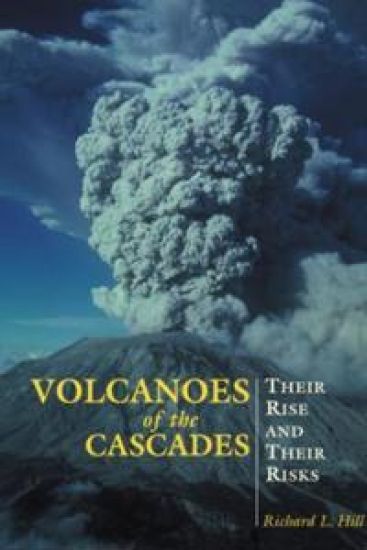
The majestic Cascade Mountains serve as the centerpiece for the Northwest's renowned beauty, with their rugged, snow-capped peaks drawing thousands of visitors to their flanks each summer. Several of the region's national parks are centered on these mountains, including North Cascades National Park, Mount Rainier National Park, and Crater Lake National Park. Underlying their elegance, however, is the disquieting fact that the range's major peaks are potentially hazardous volcanoes. On average, two eruptions occur per century. In the last century, explosive eruptions at Lassen Peak and Mount St. Helens left onlookers in awe. This easy-to-understand book provides residents and visitors with a good understanding of each peak's distinctive nature and how the volcanoes are linked by their geologic underpinnings. Accessible prose by award-winning science writer Richard L. Hill, paired with clear illustrations and photographs, show each peak's individual characteristics, as well as the plate processes at work beneath them.
Traditionally, studies on juvenile crime have remained largely silent on the lived experiences of family members. Amid all the public condemnation of -neglectful- parents and -irresponsible- offenders, little or no space has been given to the voices of those actually caught up in the workings of the criminal justice system. "Families, Crime, and Juvenile Justice" by Richard Hil and Anthony McMahon addresses this omission. By focusing on the families of a small group of juvenile offenders in a northern Australian city, this book highlights the many and varied attempts by parents and others to grapple with their son or daughter's offending. It also demonstrates the effects of such offending on the family as a whole and the often less-than-positive outcomes of state intervention. The accounts of parents and others are set in the context of recent family-oriented developments in juvenile justice."
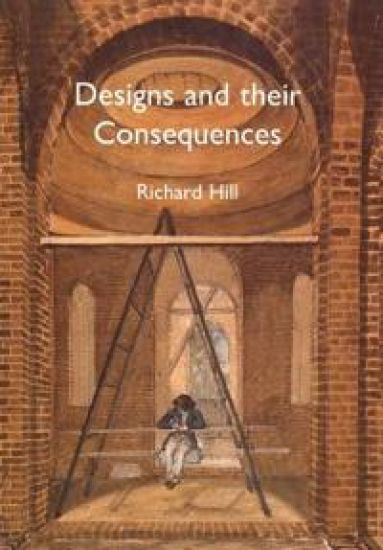
In this thought-provoking book, Richard Hill examines the many-faceted relationship between aesthetic theory and architecture. Grounding his arguments in the practical issues related to building—the demands of site, materials, labor force, the nature of the commission—Hill expands our understanding and enjoyment of architecture while offering especially valuable insights for students of architecture and the history of architecture. The book opens with an analysis of the relationship between buildings, drawings, and designs. Hill suggests that architectural drawings are essentially pictures of physical objects, although initially they may be imagined ones, and he considers the implications of this for architects and builders. He discusses the notion of "architectural experience" that has been important in the development of modern architecture, and the notion of "seeing as" that has been developed for other visual arts and that illuminates a range of architectural meaning. Asking how architecture can be expressive of a range of human states and qualities, Hill tests the idea that our ability to see the expressive aspects of buildings relates to our ability to see meaning in the faces and demeanor of other people. In the final section of the book, the author focuses on modern architecture’s central aim to deepen the connection between usefulness and design, explores recent intense criticism of this outlook, and assesses the strengths and weaknesses of this body of criticism.
This account of the Gulf War reveals its importance from a military and political point of view, highlighting how modern military technology made possible, with relative ease, a victory that would have been nearly impossible by traditional means. It has become fashionable to trivialize the impressive military achievements of the Coatition victory over Iraq, but Bin, Hill, and Jones demonstrate that the Gulf War represents a defining moment in military and political history. The text includes numerous firsthand eyewitness accounts. Readers will discover why a multinational coalition deployed 800,000 soldiers to the Middle East to challenge to the Iraqi invasion of Kuwait. They will find out the truth behind political maneuvering by nations involved in the conflict, as well as those on the sidelines, and they will learn the details of the various weapons systems employed. The authors analyze the aftermath of the war and draw important lessons from it. This book provides an authoritative and provocative review of what will surely be remembered as one of the key events of the last half century.