Kirjojen hintavertailu – 12 859 818 kirjaa ja 27 kauppaa
Kirjailija
Richard Howard
Kirjat ja teokset yhdessä paikassa: 29 kirjaa, julkaisuja vuosilta 1989–2026, suosituimpiin kuuluu The Complete Poems of James Dickey. Vertaile teosten hintoja ja tarkista saatavuus suomalaisista kirjakaupoista.
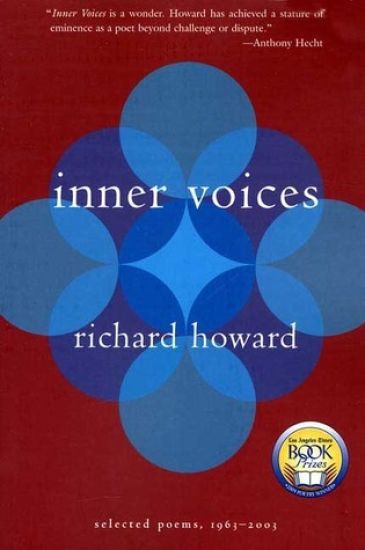
The poems of Richard Howard are noted for their unique dramatic force and for preserving, in their graceful, exquisitely wrought lines, human utterance at its most urbane. Inner Voices, the first volume to draw together material from Howard's twelve books of poems, leaves no doubt as to why he has been called "a powerful presence in American poetry for 40 years" (The New York Times Book Review).
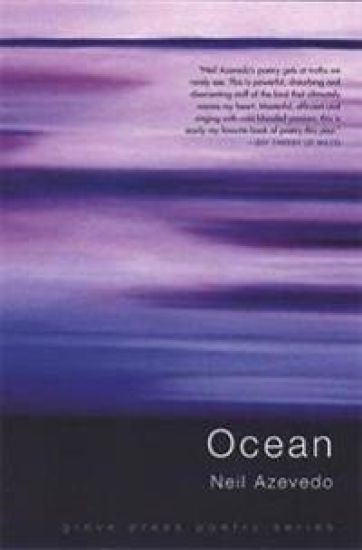
Neil Azevedo has published poems in The Paris Review, The New Criterion, Prairie Schooner, and Image. His first collection, Ocean, introduces a shadowy world populated with dogs and snakes, suicide and children, sickness and satire, Satan and Christ, yet one doesn't feel soggy with introspection. Instead, wisdom emerges from these often personal and well-articulated lyrics; the reader is moved by the juxtaposition of savagery of subject and delicacy of touch. The verbal and often gothic brilliance of the language is stunning. It's not often that a young poet successfully embraces meter, finding a refined, velvet-toned style, and creates such a stellar debut.
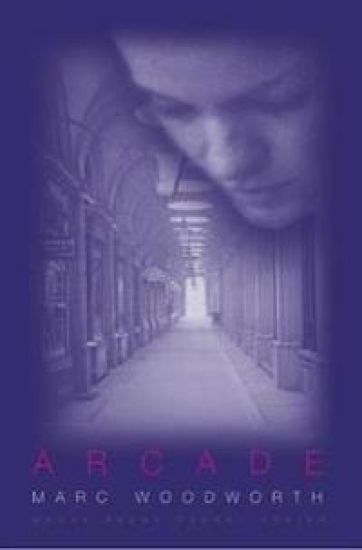
From Richard Howard's Foreword: "The burden . . . of this poet's responsibility . . . rests on his eloquence, his way of making us see. For him, . . . the significance of an event or a place is not to be found within it, as within a nutshell, but without, enveloping the language which has generated it, as a light generates a vapor." Writing both narrative and lyric, love poem and elegy, the poems in Marc Woodworth's debut collection, ARCADE, are alternately severe and feverish, contemplative and intimate, novelistic and hauntingly stark. ARCADE opens with a sequence entitled "The City" set in an unnamed and compellingly imagined continental metropolis between the world wars. Early poems in the sequence were featured in The Paris Review's new writers issue and take their place here in what Frank Bidart calls a "fantasia on and hymn to the city," one that evokes the private desires and public scale of urban life where walkers disappear "in a spell of edges" and "two hearts [beat] in every chest,/ one fleshy and inert with familiarity, the other/ a shadow heart unmarred by grieving." This city-with its Weimar decadence, it's Parisian grace-is inhabited by a poet-protagonist equipped with "the accoutrements of the Romantic," who is both guide to the beauty and brutality of this lost world and the center of the poem's haunted, lyrical evocation of it. In other poems, Woodworth enters the grieving mind of Sophia Tolstoy as she mourns at her husband's grave, exposes a self-mortifying erotic episode in the life of Adrian Leverkühn from Thomas Mann's novel Doktor Faustus, and depicts the mythical German film-maker Herr Soma's strangely generative breakdown before the making of his best film. In ARCADE, Marc Woodworth creates a rare and intimate world that is as intoxicating as it is intellectually rewarding.
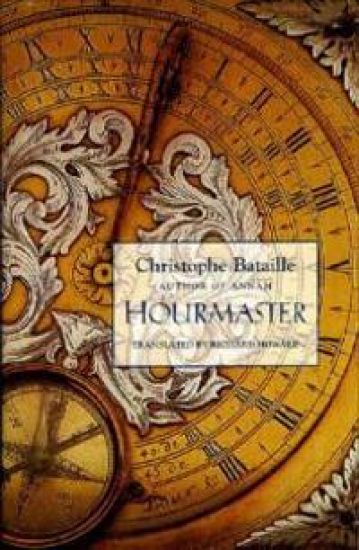
In his palace in a city vanquished by the years, the Duke Gonzaga lives consumed by his passion for young girls and his deep boredom. Time passes as marked by the more than two hundred clocks situated throughout the palace. When the old hourmaster and his successor both disappear, Gonzaga employs Arturo who becomes the new keeper of the palace's timepieces. Arturo -- called Gog -- also becomes the Duke's friend and for a time alleviates Gonzaga's boredom as they share the nightly clock-keeping rounds. There seems to be the beginning of new life in the realm. The hourmaster marries happily and fathers a daughter. But the Duke's restlessness and ennui return and when the hourmaster vanishes -- for reasons the reader is to discover -- time again stands still. In the words of the translator Richard Howard, Christophe Bataille's third novel "is a remarkable, even triumphant little book."
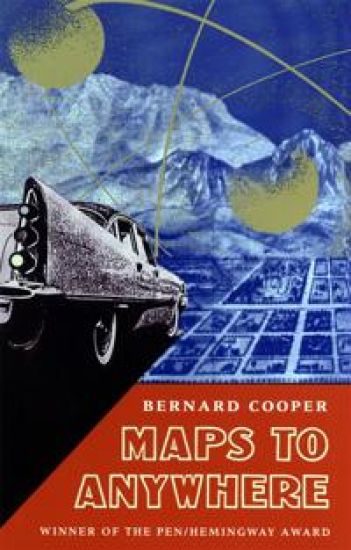
The essays in Maps to Anywhere plot terrain that is at once familiar and subtly strange. Writing on subjects ranging from his family to the origin of the barbershop pole, Bernard Cooper digs into the glimmering surface of the southern California landscape, observing the collision of the American Dream with the realities of everyday life. From the fragments, he discovers landmarks by which he attempts to make sense of contemporary America.
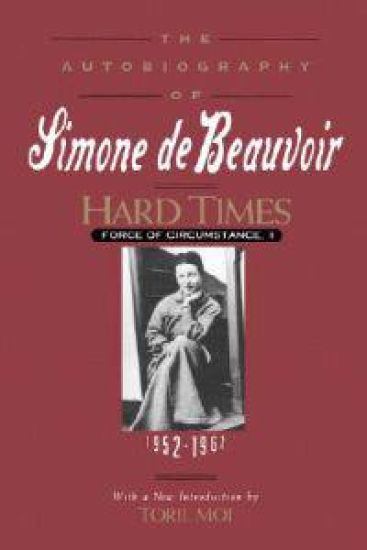
This volume of Simone de Beauvoir's legendary autobiography presents Beauvoir at the height of her international fame and portrays her inner struggle with aging. Beauvoir recounts her difficult long-distance romance with novelist Nelson Algren and her involvement with Claude Lanzmann (the future director of Shoah). She also vividly describes her travels with Sartre to Brazil and Cuba, reveals her private sense of despair in reaction to French atrocities in Algeria, and confronts her own deepening depression. Simone de Beauvoir's outstanding achievement is to have left us an admirable record of her unceasing battle to become an independent woman and writer. Introduction by Toril Moi
In his consideration of the language of the fashion magazine--the structural analysis of descriptions of women's clothing by writers about fashion--Barthes gives us a brief history of semiology. At the same time, he identifies economics as the underlying reason for the luxuriant prose of the fashion magazine: "Calculating, industrial society is obliged to form consumers who don't calculate; if clothing's producers and consumers had the same consciousness, clothing would be bought (and produced) only at the very slow rate of its dilapidation."
The Rustle of Language is a collection of forty-five essays, written between 1967 and 1980, on language, literature, and teaching--the pleasure of the text--in an authoritative translation by Richard Howard.