Kirjojen hintavertailu – 12 859 829 kirjaa ja 27 kauppaa

Kirjailija

Richard Hyde

Kirjat ja teokset yhdessä paikassa: 8 kirjaa, julkaisuja vuosilta 2000–2021, suosituimpiin kuuluu Sustainable Retrofitting of Commercial Buildings. Vertaile teosten hintoja ja tarkista saatavuus suomalaisista kirjakaupoista.

8 kirjaa

Kirjojen julkaisuvuodet: 2000–2021.

Sustainable Retrofitting of Commercial Buildings

Sustainable Retrofitting of Commercial Buildings

Richard Hyde; Nathan Groenhout; Francis Barram; Ken Yeang

Routledge
2020
nidottu
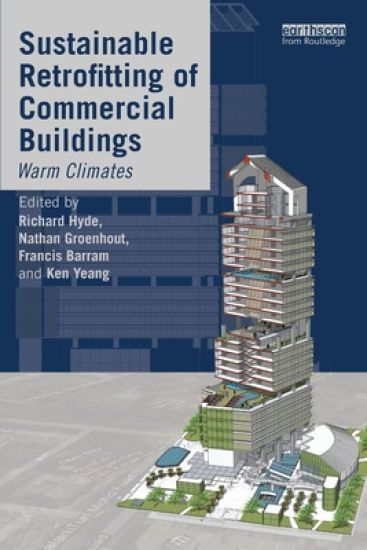
Despite recent improvements in energy efficiency being made in new build, it is important that the existing commercial building sector also take action to meet emission reduction targets. The objectives and challenges of such action will reduce the risk of the sector becoming obsolete due to high energy use and poor environmental performance. This book presents a theory-based, practice-support methodology to deal with sustainable retrofitting opportunities for existing commercial buildings in warm climates using bioclimatic design as the basis. The book has four main parts, focusing on eco-design and renovation, bioclimatic retrofitting, technological and behavioural change and case studies of retrofitting exemplars. In the first part, the context of climate change effects on design and renovation at the city scale is discussed. The second part looks at bioclimatic retrofitting as a 'design guide' for existing buildings, highlighting the significance of architectural design and engineering systems for energy performance. The technological and behavioural contexts of the existing building sector – policies, modelling, monitoring and trend analysis in respect to energy and environmental performance – are covered in part three. The final part gives some case studies showing the effectiveness of strategies suggested for effective environmental performance. This book is a must-have guide for all involved in the design and engineering of retrofitting projects in warm climates.
Sustainable Retrofitting of Commercial Buildings

Sustainable Retrofitting of Commercial Buildings

Richard Hyde; Nathan Groenhout; Francis Barram; Ken Yeang

Earthscan Ltd
2012
sidottu
Despite recent improvements in energy efficiency being made in new build, it is important that the existing commercial building sector also take action to meet emission reduction targets. The objectives and challenges of such action will reduce the risk of the sector becoming obsolete due to high energy use and poor environmental performance. This book presents a theory-based, practice-support methodology to deal with sustainable retrofitting opportunities for existing commercial buildings in warm climates using bioclimatic design as the basis. The book has four main parts, focusing on eco-design and renovation, bioclimatic retrofitting, technological and behavioural change and case studies of retrofitting exemplars. In the first part, the context of climate change effects on design and renovation at the city scale is discussed. The second part looks at bioclimatic retrofitting as a 'design guide' for existing buildings, highlighting the significance of architectural design and engineering systems for energy performance. The technological and behavioural contexts of the existing building sector – policies, modelling, monitoring and trend analysis in respect to energy and environmental performance – are covered in part three. The final part gives some case studies showing the effectiveness of strategies suggested for effective environmental performance. This book is a must-have guide for all involved in the design and engineering of retrofitting projects in warm climates.

The Magic Box

The Magic Box

Richard Hyde

Anchoring Hope Publishing
2021
nidottu
Sometimes the best part of a gift a child receives is the box it came in. This book tells the story of how a young boy and his sister use their imaginations and a simply decorated cardboard box as they play and take fantastic trips to faraway places and meet exotic, imaginary creatures. The illustrations are beautiful, simple, and look like pages in a coloring book. This book will encourage your kids to lay down the electronics and use their vivid imaginations and creativity to go on exciting adventures and make incredible journeys to exotic places.
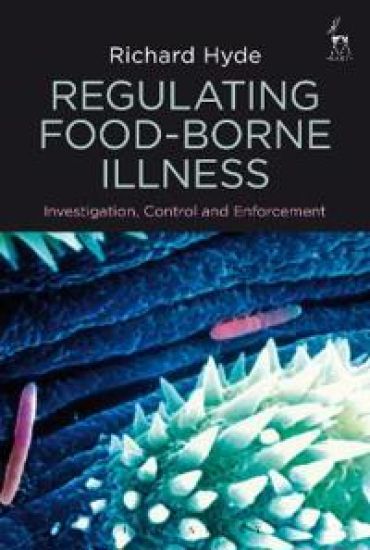
Regulating Food-borne Illness

Regulating Food-borne Illness

Richard Hyde

Hart Publishing
2017
nidottu
When faced with tackling food-borne illness, regulators have a number of competing goals. They must investigate in order to discover the source of the illness. Once the source is identified they must take action to prevent further cases of illness occurring. Finally, once the illness is under control, they may wish to take enforcement action against those responsible. Regulating Food-Borne Illness uses interviews and documentary analysis to examine the actions of regulators and considers how they balance these three tasks. Central to the regulators' role is the collection of information. Without information about the source, control or enforcement action cannot be taken. Investigation must therefore take place to produce the necessary information. Utilising theoretical frameworks drawn from regulation and biosecurity, Regulating Food-Borne Illness shows that control is prioritised, and that investigatory steps are chosen in order to ensure that the information necessary for control, rather than enforcement, is collected. This has the effect of reducing the possibility that enforcement action can be taken. The difficulty of evidence gathering and case-building in food-borne illness cases is exposed, and the author considers the methods aimed at reducing the difficulty of bringing successful enforcement action.
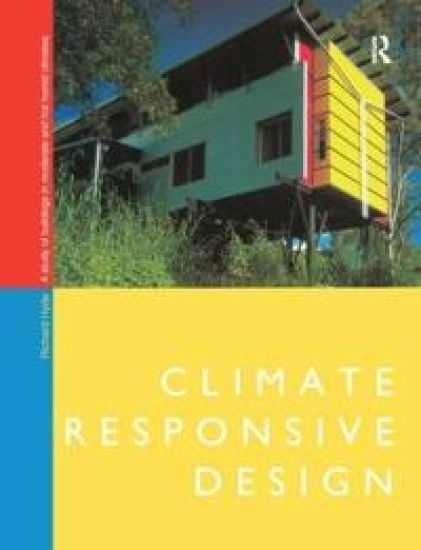
Climate Responsive Design

Climate Responsive Design

Richard Hyde

CRC Press
2015
sidottu
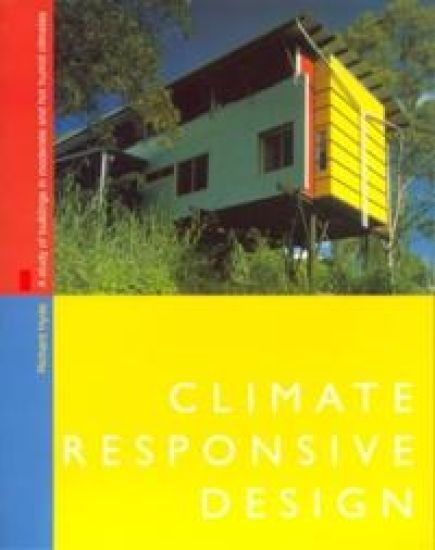
Climate Responsive Design provides a unique source for students and practising architects requiring guidance on climatic design. Covering theory and application it provides examples of innovative and best practice in 'responsive architecture' through case studies. The book also covers the broader topic of technology as a generator in design which will be of interest to all those involved in design and building. The book focuses on tropical climate but some of the theory can be applied to other climates; the difference in application is clearly delineated.
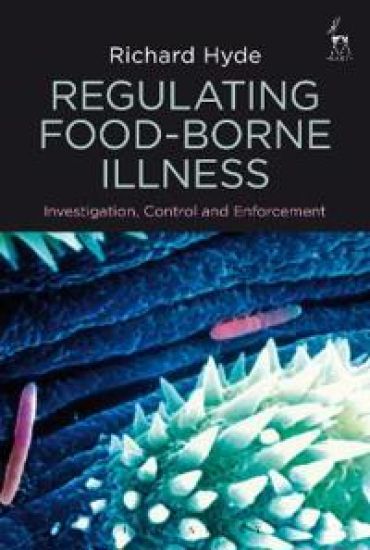
Regulating Food-borne Illness

Regulating Food-borne Illness

Richard Hyde

Hart Publishing
2015
sidottu
When faced with tackling food-borne illness, regulators have a number of competing goals. They must investigate in order to discover the source of the illness. Once the source is identified they must take action to prevent further cases of illness occurring. Finally, once the illness is under control, they may wish to take enforcement action against those responsible. Regulating Food-Borne Illness uses interviews and documentary analysis to examine the actions of regulators and considers how they balance these three tasks. Central to the regulators' role is the collection of information. Without information about the source, control or enforcement action cannot be taken. Investigation must therefore take place to produce the necessary information. Utilising theoretical frameworks drawn from regulation and biosecurity, Regulating Food-Borne Illness shows that control is prioritised, and that investigatory steps are chosen in order to ensure that the information necessary for control, rather than enforcement, is collected. This has the effect of reducing the possibility that enforcement action can be taken. The difficulty of evidence gathering and case-building in food-borne illness cases is exposed, and the author considers the methods aimed at reducing the difficulty of bringing successful enforcement action.
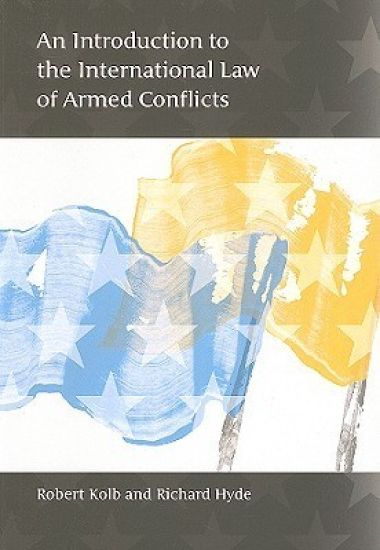
An Introduction to the International Law of Armed Conflicts

An Introduction to the International Law of Armed Conflicts

Richard Hyde; Robert Kolb

Hart Publishing
2008
nidottu
This book provides a modern and basic introduction to a branch of international law constantly gaining in importance in international life, namely international humanitarian law (the law of armed conflict). It is constructed in a way suitable for self-study. The subject-matters are discussed in self-contained chapters, allowing each to be studied independently of the others. Among the subject-matters discussed are, inter alia: the Relationship between jus ad bellum / jus in bello; Historical Evolution of IHL; Basic Principles and Sources of IHL; Martens Clause; International and Non-International Armed Conflicts; Material, Spatial, Personal and Temporal Scope of Application of IHL; Special Agreements under IHL; Role of the ICRC; Targeting; Objects Specifically Protected against Attack; Prohibited Weapons; Perfidy; Reprisals; Assistance of the Wounded and Sick; Definition of Combatants; Protection of Prisoners of War; Protection of Civilians; Occupied Territories; Protective Emblems; Sea Warfare; Neutrality; Implementation of IHL.
Climate Responsive Design

Climate Responsive Design

Richard Hyde

Spon Press
2000
nidottu
Climate Responsive Design provides a unique source for students and practising architects requiring guidance on climatic design. Covering theory and application it provides examples of innovative and best practice in 'responsive architecture' through case studies. The book also covers the broader topic of technology as a generator in design which will be of interest to all those involved in design and building. The book focuses on tropical climate but some of the theory can be applied to other climates; the difference in application is clearly delineated.