
Kirjojen hintavertailu – 12 903 725 kirjaa ja 27 kauppaa

Kirjailija

Richard L Thulin

Kirjat ja teokset yhdessä paikassa: 3 kirjaa, julkaisuja vuosilta 2004–2019, suosituimpiin kuuluu The "i" of the Sermon. Vertaile teosten hintoja ja tarkista saatavuus suomalaisista kirjakaupoista.

Nimi esiintyy myös muodoissa: Richard L. Thulin

3 kirjaa

Kirjojen julkaisuvuodet: 2004–2019.

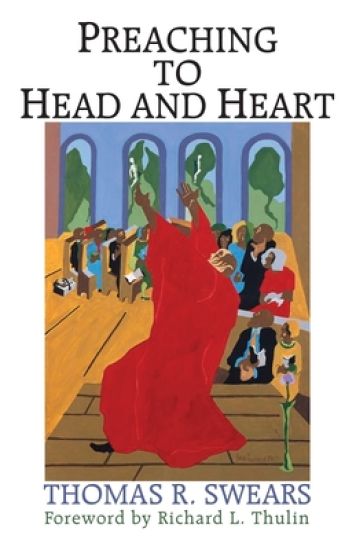
Preaching to Head and Heart

Preaching to Head and Heart

Thomas R Swears; Richard L Thulin

Wipf Stock Publishers
2019
pokkari
Preachers have long been faced with two options. On the one hand they can appeal to their congregations' intellects, teaching them the substance of the faith from the pulpit. On the other they can seek to stir their hearers' emotions, wooing or warning them with the gospel. Usually we reserve these two forms of preaching for different tasks or audiences. If you are preaching an evangelistic message to the unchurned, then your preaching style will draw more heavily on the emotional aspects. If you are leading the faithful into a deeper grasp of the Christian message, then you will more likely draw on the intellectual components of preaching. While most preachers know that the choice between the head and the heart is a false one, they often don't know how to bring the two together effectively. In this book Thomas Swears offers detailed, practical advice on how to preach to both head and heart. He shows how both emotions and intellect function any time one tried to convey meaning from the pulpit, regardless of the kind of message one is preaching. Without abandoning the conventional wisdom on evangelistic vs. teaching sermons, he nonetheless insists that preaching with integrity--in which the Word is truly embodied--will always involve the whole person and personality of both the preacher and the congregation.
Preaching to Head and Heart

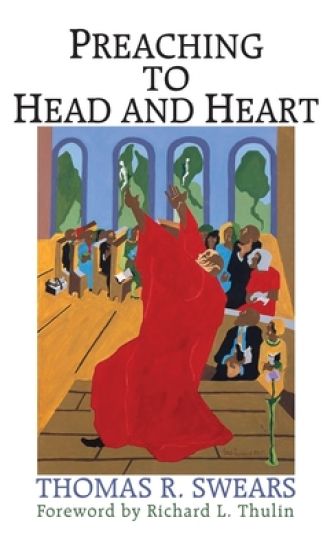
Preaching to Head and Heart

Thomas R Swears; Richard L Thulin

Wipf Stock Publishers
2019
sidottu
Preachers have long been faced with two options. On the one hand they can appeal to their congregations' intellects, teaching them the substance of the faith from the pulpit. On the other they can seek to stir their hearers' emotions, wooing or warning them with the gospel. Usually we reserve these two forms of preaching for different tasks or audiences. If you are preaching an evangelistic message to the unchurned, then your preaching style will draw more heavily on the emotional aspects. If you are leading the faithful into a deeper grasp of the Christian message, then you will more likely draw on the intellectual components of preaching. While most preachers know that the choice between the head and the heart is a false one, they often don't know how to bring the two together effectively. In this book Thomas Swears offers detailed, practical advice on how to preach to both head and heart. He shows how both emotions and intellect function any time one tried to convey meaning from the pulpit, regardless of the kind of message one is preaching. Without abandoning the conventional wisdom on evangelistic vs. teaching sermons, he nonetheless insists that preaching with integrity--in which the Word is truly embodied--will always involve the whole person and personality of both the preacher and the congregation.
The "i" of the Sermon

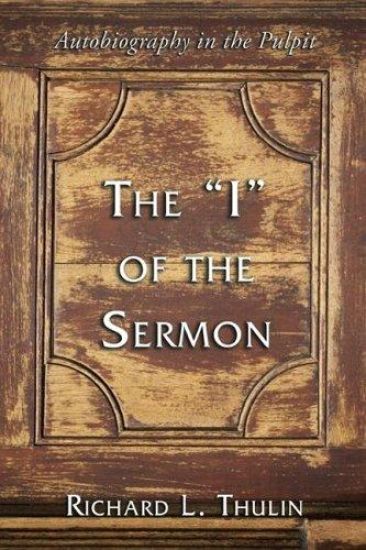
The "i" of the Sermon

Richard L. Thulin

Wipf Stock Publishers
2004
nidottu
The issues are clear. If one preaches Christ, how does one avoid preaching oneself? How do you avoid the fall into Narcissus' pond? What allows one's humility to show? How much does one dare reveal about oneself? Thulin handles these questions with sensitivity and skill, using his own and others' sermons for examples and critique. He carefully and incisively describes four types of personal story available to preachers, the features and functions of each, and the degree of the preacher's self-disclosure allowed by each. Most of his book deals with the personal story as self-portrayal, that type being the most comprehensive form of first person narrative. An appendix includes three sermons, one each by Edmund Steimle, Martin Luther King, Jr., and John Vannorsdall, often used to disclose the intent of Thulin's I in this book.