Kirjojen hintavertailu – 12 903 725 kirjaa ja 27 kauppaa
Kirjailija
Richard Lentz
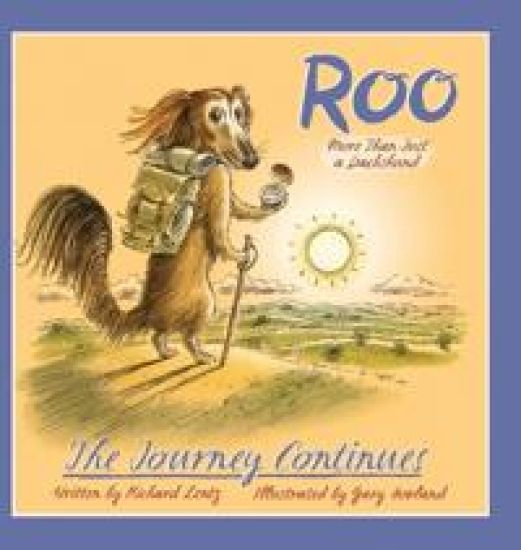
Kirjat ja teokset yhdessä paikassa: 4 kirjaa, julkaisuja vuosilta 1999–2024, suosituimpiin kuuluu Roo - More than Just a Dachshund - The Journey Continues. Vertaile teosten hintoja ja tarkista saatavuus suomalaisista kirjakaupoista.
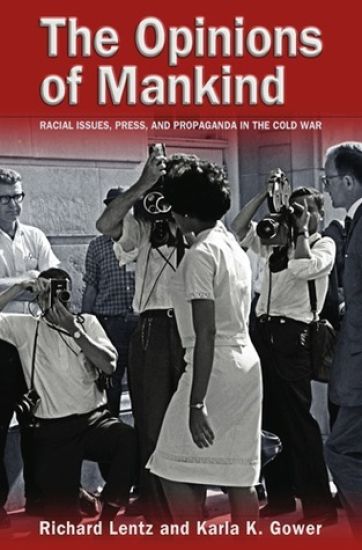
During the Cold War, the Soviets were quick to publicize any incident of racial hostility in the United States. Since violence by white Americans against minorities was the perfect foil to America's claim to be defenders of freedom, news of these occurrences was exploited to full advantage by the Russians. But how did the Soviets gain primary knowledge of race riots in small American towns? Certainly, the Soviets had reporter's stationed state-side, in big cities like New York, but research reveals that the majority of their information came directly from U. S. media sources. Throughout this period, the American press provided the foreign media with information about racially charged events in the United States. Such news coverage sometimes put Washington at a disadvantage, making it difficult for government officials to assuage foreign reactions to the injustices occurring on U. S. soil. Yet in other instances, the domestic press helped to promote favourable opinions aboard by articulating themes of racial progress. While still acknowledging racial abuses, these press spokesmen asserted that the situation in America was improving. Such paradoxical messages, both aiding and thwarting the efforts of the U. S. government, are the subject of The Opinions of Mankind: Racial Issues, Press, and Propaganda in the Cold War. The study, by scholars Richard Lentz and Karla K. Gower, describes and analyzes the news discourse regarding U. S. racial issues from 1946 to 1965. The Opinions of Mankind not only delves into the dissemination of race-related news to foreign outlets but also explores the impact foreign perceptions of domestic racism had on the U. S. government and its handling of foreign relations during the period. What emerges is an original, insightful contribution to Cold War studies. While other books examine race and foreign affairs during this period of American history, The Opinions of Mankind is the first to approach the subject from the standpoint of press coverage and its impact on world public opinion. This exhaustively researched and compellingly written volume will appeal to media scholars, political historians, and general readers alike. By taking a unique approach to the study of this period, The Opinions of Mankind presents the workings behind the battles for public opinion that took place between 1946 and 1965.
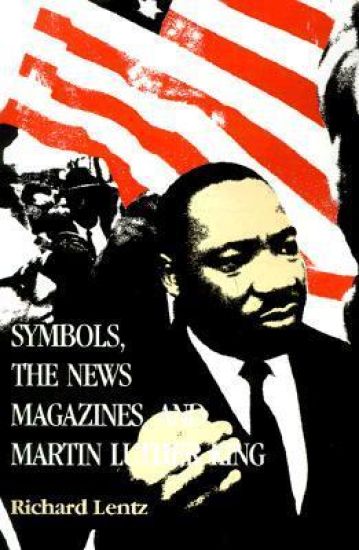
More than two decades after his death, Martin Luther King, Jr. remains America's preeminent symbol of the civil rights movement. In the early years of the movement King advocated a policy of nonviolent resistance to the racism ingrained in American society. In later years, however, King adopted a more militant stance toward racial and other forms of injustice. In this innovative book Richard Lentz considers King as a cultural symbol, from the Montgomery bus boycott of 1955- 1956 to the Poor People's Campaign, which King helped organize shortly before his assassination in 1968. In particular, Lentz examines the ways the three major news weeklies- Newsweek, Time, and U. S. News & World Report- presented King to their readers. It is primarily through media institutions that Americans shape and interpret their values. Newsweek, Time, and U. S. News- though representing different shadings of political ideology, ranging from left of center to conservative- were all aimed at the same audience, middle-class Americans. Therefore their influence on the nation's values during a period of enormous social upheaval was significant. In the mid-1960s, when King shifted from reform to radicalism, the news magazines were thrust into what Lentz calls a ""crisis of Symbols"" because King no longer fit the symbolic mold the magazines had created for him. Lentz investigates how the magazines responded to this crisis, discussing the ways in which their analyses of King shifted over time and the means they employed to create a new symbolic image that made sense of King's radicalization for readers. This is an important, perceptive study of Martin Luther King, Jr.'s career and an astute critical analysis of the reporting practices of the news media in the modern era.