Kirjojen hintavertailu – 12 859 818 kirjaa ja 27 kauppaa

Kirjailija

Richard Parkinson

Kirjat ja teokset yhdessä paikassa: 34 kirjaa, julkaisuja vuosilta 2005–2025, suosituimpiin kuuluu The Private Journal and Literary Remains of John Byrom, Volume 2; volume 44. Vertaile teosten hintoja ja tarkista saatavuus suomalaisista kirjakaupoista.

34 kirjaa

Kirjojen julkaisuvuodet: 2005–2025.

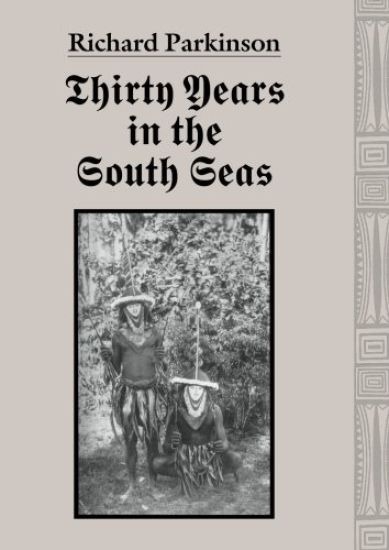
Thirty Years in the South Seas

Thirty Years in the South Seas

Richard Parkinson

Sydney University Press
2011
nidottu
Richard Parkinson's Thirty Years in the South Seas was first published in 1907. In this 900-page work, Parkinson drew together and expanded on the scientific and popular papers he had been publishing since 1887, creating in the process a landmark ethnography of the Bismarck Archipelago. Parkinson moved to New Britain in 1879, only seven years after the first trader had established himself in the area. Over the next thirty years, he employed many local people on the family's expanding plantations, and travelled widely in the area, trading for produce (especially coconuts), observing traditional life, and buying artefacts for museums in Europe, USA and Australia. His travels covered the islands now known as New Britain, New Ireland, New Hanover, Manus, Buka and Bougainville, but he also collected information about the mainland of New Guinea (Kaiser Wilhelmsland). His observations covered a wide range of topics, from religious life and ceremonies to artefacts and language. It is clear he talked extensively with people - though mostly with a translator - and compared accounts. He also took many photographs, some 200 of which were included in the volume. Given the period, all his human subjects had to be posed, but the range of associated detail, probably unconsciously included, is substantial. What is particularly important about this work is the period in which it was written. While Parkinson may never have been the first contact of any local people, he was clearly among the first, and observed many societies before they were extensively incorporated into the Western economy, or missionised. Thirty Years in the South Seas is unparalleled in the literature of the Bismarck Archipelago. It is an incomparable picture of a time and place now long past.

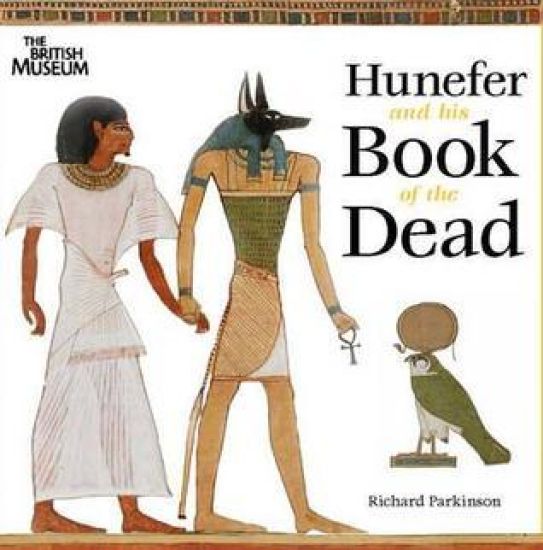
Hunefer and his Book of the Dead

Hunefer and his Book of the Dead

Richard Parkinson

British Museum Press
2010
nidottu
The Papyrus of Hunefer is one of the most beautiful and famous items in the British Museum’s Egyptian collections, illustrated with detailed coloured paintings of the highest quality. Hunefer (his name means ‘Mr Happy Day’) was an official of high rank. The papyrus was buried with him and contains his personal selection of spells from what we now call the Book of the Dead. He expected the papyrus to help him to reach a happy eternal life, in which he could continue to enjoy the many pleasures of the living world without any of its sorrows or troubles. Hunefer’s papyrus includes lovely, detailed images of various important stages or rites on the way, including the ‘opening of the mouth’ ceremony outside the tomb, in which priests carry out rites to give the mummy back its human senses, and the ‘weighing of the heart’ in which the gods put Hunefer’s heart is on the scales with the feather of truth to show if he had been a good person in life. This book follows Hunefer on his magical journey and, in a very simple, accessible and visual way, demonstrates Ancient Egyptian beliefs about religion, life and death.
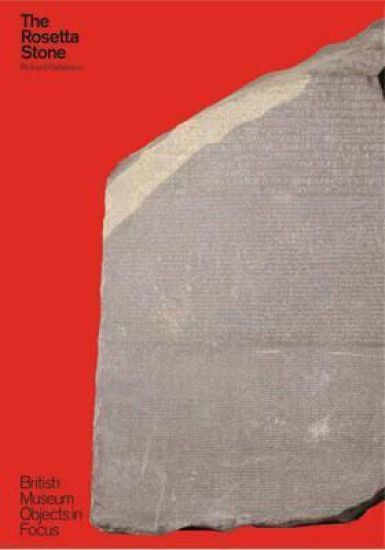
The Rosetta Stone

The Rosetta Stone

Richard Parkinson

British Museum Press
2005
nidottu

Halvin toimitettuna 12,80 €

The Rosetta Stone contains a decree written three times in Greek, Demotic and hieroglyphic that provided the key to the mysterious hieroglyphic script of ancient Egypt, and opened up 3,000 years of the country's history and culture. This book tells the fascinating story of one of archaeology's icons, from its creation in the second century BC, to its discovery in 1799 during Napoleon's Egyptian campaign, to the subsequent race to decipher its hieroglyphic text. Undertaken by two brilliant scholars - the Frenchman Jean-Francois Champollion, and the English physicist Thomas Young - it was the former who eventually succeeded in making the crucial breakthrough. Today the Rosetta Stone stands in the Museum as an enduring symbol of human understanding and communication through the ages.