Kirjojen hintavertailu – 12 859 818 kirjaa ja 27 kauppaa
Kirjailija
Richard Pinner
Kirjat ja teokset yhdessä paikassa: 6 kirjaa, julkaisuja vuosilta 2019–2025, suosituimpiin kuuluu Macbeth The Gothic Novel. Vertaile teosten hintoja ja tarkista saatavuus suomalaisista kirjakaupoista.
Content and Language Integrated Learning (CLIL) is a transformative and powerful approach to language education and has had a significant impact on educational pedagogy in recent years. Despite burgeoning literature on the efficacy and implementation of CLIL, there remains a gap between CLIL and English Language Teaching (ELT). Many practitioners wonder how they can ‘do CLIL’ if their main classes are focused on English as a Foreign Language (EFL). This volume addresses these concerns by examining the experiences of various CLIL practitioners in the EFL context of Japan. Chapters outline the CLIL methodology, the differences in ‘hard CLIL’ (subject led) and ‘soft CLIL’ (language-oriented) before focusing on the EFL interpretations of soft-CLIL. Although the distinction of hard CLIL and soft CLIL has been mentioned in several publications, this is the first book-length exploration of this issue, featuring chapters examining expectations, challenges, material support, implementation, and even motivation in CLIL classrooms. All of this culminates in a review of the potential and future of CLIL in EFL contexts, paving the way for more widespread and well informed implementation of CLIL all over the world.
Content and Language Integrated Learning (CLIL) is a transformative and powerful approach to language education and has had a significant impact on educational pedagogy in recent years. Despite burgeoning literature on the efficacy and implementation of CLIL, there remains a gap between CLIL and English Language Teaching (ELT). Many practitioners wonder how they can ‘do CLIL’ if their main classes are focused on English as a Foreign Language (EFL). This volume addresses these concerns by examining the experiences of various CLIL practitioners in the EFL context of Japan. Chapters outline the CLIL methodology, the differences in ‘hard CLIL’ (subject led) and ‘soft CLIL’ (language-oriented) before focusing on the EFL interpretations of soft-CLIL. Although the distinction of hard CLIL and soft CLIL has been mentioned in several publications, this is the first book-length exploration of this issue, featuring chapters examining expectations, challenges, material support, implementation, and even motivation in CLIL classrooms. All of this culminates in a review of the potential and future of CLIL in EFL contexts, paving the way for more widespread and well informed implementation of CLIL all over the world.
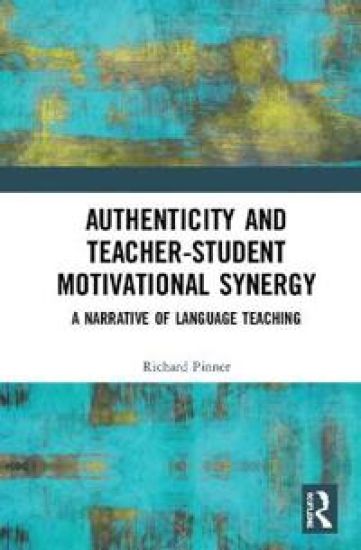
Despite the common association between authenticity and motivation in language learning, there does not currently exist a single volume exploring these connections. This book looks at the relationship between authenticity and motivation by specifically viewing the process of mutually validating the act of learning as social authentication, which in turn can often lead to positive motivational synergy between students and teacher(s). The study at the centre of this book uses autoethnography and practitioner research to examine the complex relationship between authenticity and motivation in the foreign language learning classroom. In particular, it traces the links between student and teacher motivation, and proposes that authenticity can act as a bridge to connect learners to the classroom environment and engage with the activity of learning.
Despite the common association between authenticity and motivation in language learning, there does not currently exist a single volume exploring these connections. This book looks at the relationship between authenticity and motivation by specifically viewing the process of mutually validating the act of learning as social authentication, which in turn can often lead to positive motivational synergy between students and teacher(s). The study at the centre of this book uses autoethnography and practitioner research to examine the complex relationship between authenticity and motivation in the foreign language learning classroom. In particular, it traces the links between student and teacher motivation, and proposes that authenticity can act as a bridge to connect learners to the classroom environment and engage with the activity of learning.