Kirjojen hintavertailu – 12 903 725 kirjaa ja 27 kauppaa
Kirjailija
Richard Rogers
Kirjat ja teokset yhdessä paikassa: 39 kirjaa, julkaisuja vuosilta 1998–2026, suosituimpiin kuuluu Conducting Miranda Evaluations. Vertaile teosten hintoja ja tarkista saatavuus suomalaisista kirjakaupoista.
Use this guide to weed out what dyslexia means for you and discover the tools you need to blossom! Dyslexia comes to life with visual imagery and colourful text in this new book on what dyslexia means, how it feels, what to do about it, and how to learn to embrace it. There are advantages to being dyslexic, including an aptitude for design literacy and innovative thinking, although these can be obscured by its challenges. This beautifully designed book, complete with stunning visuals and gentle humour, approaches the subject of dyslexia in a simple and encouraging way for all age groups. By showing what dyslexia is and asking the reader how it applies to them, this book offers a fun and engaging means of working out how dyslexia affects the individual specifically, with a multitude of learning tools and tips, and a gallery of inspirational dyslexics who have used their particular skills to do something amazing with their lives.
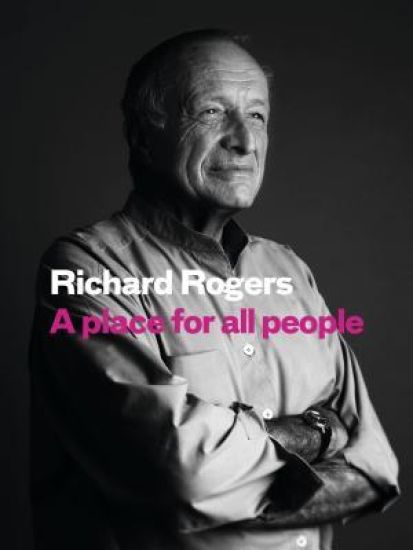
Richard Rogers, founder of Rogers Stirk Harbour + Partners, is a pre-eminent architect of his generation, whose approach to buildings is infused with his enthusiasm for modernism, love of life and strong sense of social justice. From the Pompidou Centre in Paris to the Lloyds Building in the City of London, and from airports, to cancer care centres to low-cost homes, the buildings he and his partners have designed blend private use, public space and civic value. In part inspired by his 2013 Royal Academy exhibition, A place for all people is a mosaic of life, projects and ideas for a better society. Ranging backwards and forwards over a long and creative life, and integrating relationships, projects, stories, collaborations and polemics, with case studies, drawings and photographs A place for all people is a dazzling and inspiring book as original as its author.
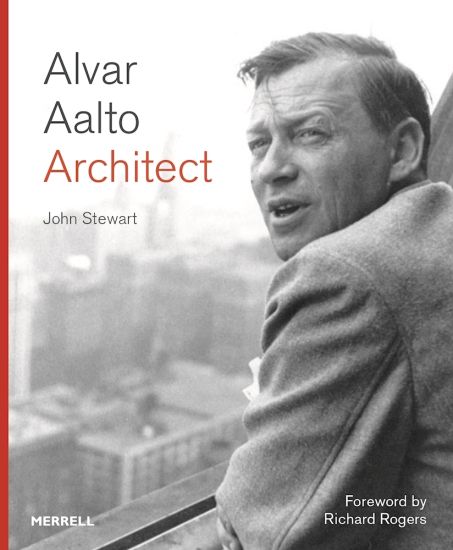
Alvar Aalto remains Finland's greatest architect, retains his place among the Modern Masters of twentieth-century architecture and is now recognized internationally as one of the world's greatest architects of all time. For Finland, Aalto, through his architecture, furniture, glassware and sculpture, contributed perhaps more than any other Finn to the creation of the cultural identity of the new independent Finland and its promotion around the world. His Finnish Pavilions in Paris and New York from the Thirties placed Finland centre-stage, establishing its identity as a modern, innovative country and generated huge interest in this northern land of lakes and forests. He went on to work in 18 countries around the world, as well as designing many of Finland's most important buildings of the 50s, 60s and 70s. This new biography of Aalto is the first to comprehensively cover his life, from the backwoods of Ostrabothnia to international fame and all of his buildings, from the early alterations and extensions to shops and houses in Jyvaskyla to Finlandia Hall. It draws on Aalto's archive, recollections of former employees and contemporaneous publications to fully explore Alvar Aalto the architect, rather than simply Alvar Aalto's architecture. For the first time, his life is set in the context of the events that surrounded and shaped it - the Finnish Civil War, the Great Depression, The Winter and Continuation Wars, the post-war boom in education, Finland's industrialisation and eventually the social revolution of the 60s which led to his characterization as a member of a Finnish elite and temporary unpopularity. It covers his life from his childhood, growing up in regional Jyvaskyla and Alajarvi, his architectural studies in Helsinki, combat in the Civil War through to the founding of his first office, his early neo-classical work and his international breakthrough with the completion of Paimio Sanatorium and Viipuri Library. It deals with his personal life, his marriage to Aino, what working life in his first office was like, the architectural competitions, his key friendships and continuous financial difficulties. As his career progressed, it explores the patrons who were so important to him - the Gullichsens and the founding of Artek, his new American friends, professorship at MIT. After the war, the death of Aino, marriage to Elissa and the period of his greatest architectural achievements - Saynatsalo Town Hall, Otaniemi University and Imatra Church. It considers the organisation of his new office in Helsinki, his expanding team, fame and eventually vanity. The book seeks to understand what drove him, the combination of skills, talents and character traits, which led to his extraordinary global success. As you will be aware, there is no shortage of books on Alvar Aalto, or to be more precise, there is no shortage of books on Alvar Aalto's Architecture. (Only one previous biography exists, published first in 1984 and now out of print). This book is about an architect and his architecture, written by another architect, not an architectural historian. It is the first, frank and fully-comprehensive biography of Alvar Aalto.
The purpose of this book is to help churches raise more money for ministry and mission by better using electronic media. Although philanthropy in the US is growing, churches continue to receive a declining portion of that philanthropy. Part of the challenge is that America is becoming significantly less dependent on paper currency (cash and checks) yet the church continues to count on paper currency as their primary media for donations. There have been warning signals for several years. Many churches face shrinking budgets and membership and are beginning to ask the right questions. The author's goal is to capture this teachable moment with a resource that will encourage pastors and church leaders to utilize tools already available to change the trajectory of their resourcing; because nothing is more important than what God has called them to do. The banking and electronic giving industries have not made it easy for churches to understand their services or fees. This book will take the confusion and fear away and open churches to new possibilities.
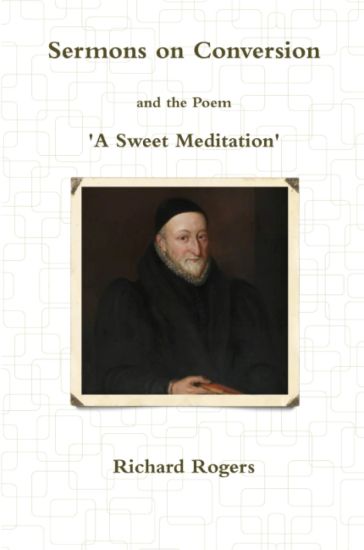
In his continual walking with God, Richard Rogers (1551-1618) was 'the Enoch of his age.' He was also a pious Cambridge scholar and early organizing and influential presbyterian. These four, newly edited sermons on Conversion from Isaiah 55:1-2 and Deut. 5:28-29 are experientially rich. They lay the entrance to God's kingdom sweetly low: to any that thirst for it. Rogers, with a discerning and soft hand, reproves worldly minded persons who do not desire the best things of God, shows that the way to be saved is to thirst for what God offers, and assures those that do so that God will surely make good his end of the deal. It is in thirsting that the Christian continues in this life to receive the best spiritual graces from God for everything that he or she needs. This work also includes a short poem of his about the benefits of spiritual reading, conferencing, meditation and prayer. You will find it delightful.
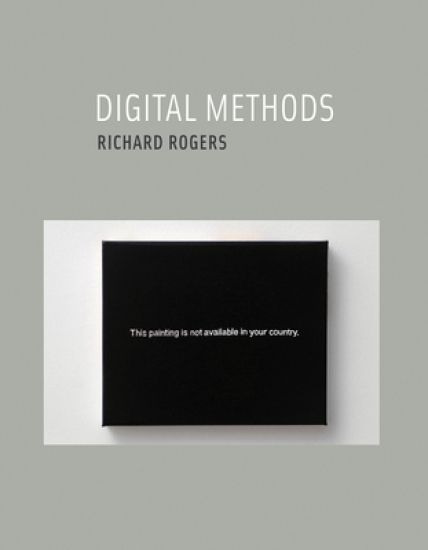
A proposal to repurpose Web-native techniques for use in social and cultural scholarly research. In Digital Methods, Richard Rogers proposes a methodological outlook for social and cultural scholarly research on the Web that seeks to move Internet research beyond the study of online culture. It is not a toolkit for Internet research, or operating instructions for a software package; it deals with broader questions. How can we study social media to learn something about society rather than about social media use? Rogers proposes repurposing Web-native techniques for research into cultural change and societal conditions. We can learn to reapply such "methods of the medium" as crawling and crowd sourcing, PageRank and similar algorithms, tag clouds and other visualizations; we can learn how they handle hits, likes, tags, date stamps, and other Web-native objects. By "thinking along" with devices and the objects they handle, digital research methods can follow the evolving methods of the medium. Rogers uses this new methodological outlook to examine such topics as the findings of inquiries into 9/11 search results, the recognition of climate change skeptics by climate-change-related Web sites, and the censorship of the Iranian Web. With Digital Methods, Rogers introduces a new vision and method for Internet research and at the same time applies them to the Web's objects of study, from tiny particles (hyperlinks) to large masses (social media).
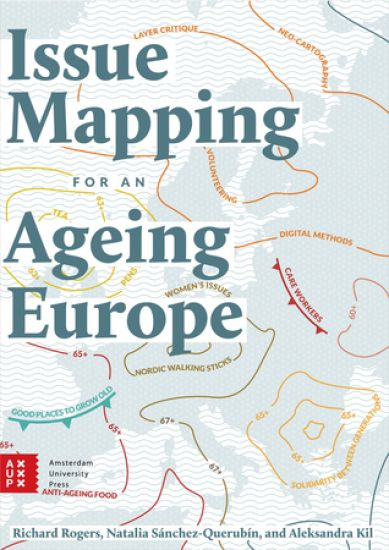
Issue Mapping for an Ageing Europe is a seminal guide to mapping social and political issues with digital methods. The issue at stake concerns the imminent crisis of an ageing Europe and its impact on the contemporary welfare state. The book brings together three leading approaches to issue mapping: Bruno Latour's social cartography, Ulrich Beck's risk cartography and Jeremy Crampton's critical neo-cartography. These modes of inquiry are put into practice with digital methods for mapping the ageing agenda, including debates surrounding so-called 'old age', cultural philosophies of ageing, itinerant care workers, not to mention European anti-ageing cuisine. Issue Mapping for an Ageing Europe addresses an urgent social issue with new media research tools.
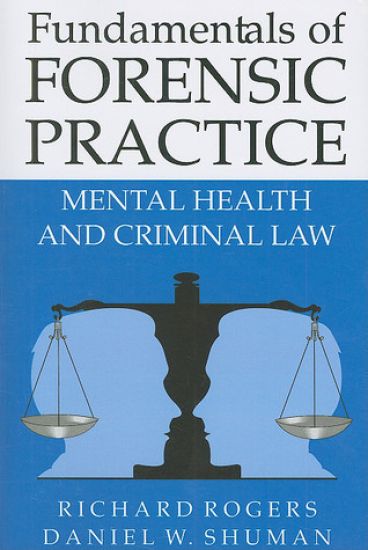
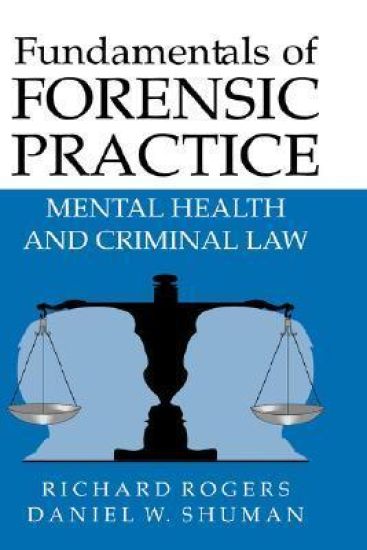
Forensic psychologists and psychiatrists are increasingly asked to provide expertise to courts and attorneys in the criminal justice system. To do so effectively, they must stay abreast of important advances in the understanding of legal standards as well as new developments in sophisticated measures and the methods for their assessment. Fundamentals of Forensic Practice is designed to address the critical issues that are faced by mental health experts in their role of conducting assessments, presenting findings, and preparing for challenges to admissibility and credibility. Uniquely practical and comprehensive, this volume operationalizes legal standards and describes empirically validated methods for their evaluation. Not only is this essential for mental health professionals, but it is equally valuable to criminal attorneys. Lawyers require both clinical knowledge and understanding of legal standards in order to prepare their own experts and to challenge those on the opposing side. For both clinical and legal experts Fundamentals of Forensic Practice offers a full view of all phases of criminal proceedings: - Pretrial—diversion, determinations of bail, waivers of Miranda rights, and the capacity to consent to searches. - Trial—competency to stand trial and criminal responsibility. Beyond insanity, the latter addresses mens rea, automatism, and psychological context evidence, such as battered-woman syndrome. - Post-trial—sentencing, capital sentencing, competency to be executed, and other post-conviction issues. Other key features include: - Chapters on specific criminal issues in a consistent format, with comprehensive coverage of legal standards and relevant clinical methods - Guidelines for conducting more effective forensic evaluations - In-depth coverage of specialized assessments, eg. malingering, sexual predator cases, and the insanity defense. - A detailed overview of direct and cross-examination strategies This book is the second collaboration between Rogers and Shuman. As individual authors, each received the American Psychiatric Association’s prestigious Guttmacher Award for their outstanding contributions to forensic psychiatry.
The most consistent of all series in terms of language control, length, and quality of story. David R. Hill, Director of the Edinburgh Project on Extensive Reading.
Forensic psychologists and psychiatrists are increasingly asked to provide expertise to courts and attorneys in the criminal justice system. To do so effectively, they must stay abreast of important advances in the understanding of legal standards as well as new developments in sophisticated measures and the methods for their assessment. Fundamentals of Forensic Practice is designed to address the critical issues that are faced by mental health experts in their role of conducting assessments, presenting findings, and preparing for challenges to admissibility and credibility. Uniquely practical and comprehensive, this volume operationalizes legal standards and describes empirically validated methods for their evaluation. Not only is this essential for mental health professionals, but it is equally valuable to criminal attorneys. Lawyers require both clinical knowledge and understanding of legal standards in order to prepare their own experts and to challenge those on the opposing side. For both clinical and legal experts Fundamentals of Forensic Practice offers a full view of all phases of criminal proceedings: - Pretrial—diversion, determinations of bail, waivers of Miranda rights, and the capacity to consent to searches. - Trial—competency to stand trial and criminal responsibility. Beyond insanity, the latter addresses mens rea, automatism, and psychological context evidence, such as battered-woman syndrome. - Post-trial—sentencing, capital sentencing, competency to be executed, and other post-conviction issues. Other key features include: - Chapters on specific criminal issues in a consistent format, with comprehensive coverage of legal standards and relevant clinical methods - Guidelines for conducting more effective forensic evaluations - In-depth coverage of specialized assessments, eg. malingering, sexual predator cases, and the insanity defense. - A detailed overview of direct and cross-examination strategies This book is the second collaboration between Rogers and Shuman. As individual authors, each received the American Psychiatric Association’s prestigious Guttmacher Award for their outstanding contributions to forensic psychiatry.
At the core of every subject teacherGCOs role is the task of being a tutor. The authors provide an accessible and realistic guide to this vital role based on many years of headship and pastoral care experience. Brimming with practical suggestions and innovative ideas, this guide covers topics such as managing tutorial sessions, relating to families, dealing with bullying, and getting to know your pupils, the book brings together the deeper aims of pastoral care with the daily routines and demands of school life.
Insanity evaluations represent the most challenging and complex evaluations in forensic psychology and psychiatry. Mental health and legal professionals involved in insanity cases need a solid foundation in current concepts, legal standards, and clinical methods. This need is heightened by the substantial legal and clinical changes that have occurred in the field during the past decade. This text from two leading authorities brings forensic professionals up to date on key issues surrounding insanity evaluations. It provides explicit, research-based guidelines for interview-based assessments, psychological testing and other specialized procedures, and forensic reports and testimony. The volume explores how insanity is conceptualized under the law and differentiated from other standards of criminal responsibility. A range of clinical measures and techniques are examined, with special attention to such relevant phenomena as malingering and amnesia. Included in the appendices are invaluable databases on 413 defendants evaluated for criminal responsibility and 6,479 defendants found not guilty by reason of insanity. For clinicians, the volume provides the knowledge and skills needed to conduct ethical, legally defensible insanity evaluations and to present their findings effectively. Legal professionals will gain a basis for understanding the logic and clinical methods used by mental health experts and for evaluating the quality of their assessments.
Nothing else damages the earth's environment more than our cities. As the world's population has grown, our cities have burgeoned, and their impact on the environment worsened. Meanwhile, from the isolated, gated communities within Houston and Los Angeles, to the millions of residents of Bombay living in squalor, the city has failed to serve its ideal function,as the cradle of civilization, the engine of culture, and the inspiration for community and citizenship. In Cities for a Small Planet , Sir Richard Rogers, one of the world's leading architects and the designer of the Pompidou centre in Paris, demonstrates how future cities could provide the springboard for restoring humanity's harmony with its environment. Rogers outlines the disastrous impact cities have had and will continue to have on our world, from waste-saturated Tokyo Bay, to the massive plumes of pollution caused by London's traffic, to the depleted water resources of Mexico City. He traces these problems to the underlying social and cultural values that create them,unchecked commercial zeal, selfish individualism, and a lack of community. Bringing to bear concepts such as that of open-minded" space,places within cities that serve multiple functions such as markets, parks, and sidewalk cafes,he explains how urban design can be used to give citizens a sense of shared experience. The city built with comfortable and safe public space can bring diverse groups together and breed a sense of tolerance, awareness, identity, and mutual respect. He calls for a new theoretical shift in the way cities do business and interact with the environment, arguing that many products come to market and are sold without figuring their social or environmental cost. Rogers goes on to describe the city of the future: one that is sustainable within its own environment that can make a positive impact on its surroundings that encourages communication among its citizens that is compact and focused around neighbourhoods and that is beautiful, a city whose buildings and spaces spark the creative potential of its inhabitants. As our population grows larger, our planet grows smaller. Cities for a Small Planet is a passionate and eloquent blueprint for the cities we must create in response, cities that provide for the needs of both their residents and the earth on which they live.