Kirjojen hintavertailu – 12 903 725 kirjaa ja 27 kauppaa

Kirjailija

Richard Rojcewicz

Kirjat ja teokset yhdessä paikassa: 5 kirjaa, julkaisuja vuosilta 2006–2023, suosituimpiin kuuluu Basic Concepts of Ancient Philosophy. Vertaile teosten hintoja ja tarkista saatavuus suomalaisista kirjakaupoista.

5 kirjaa

Kirjojen julkaisuvuodet: 2006–2023.

Heidegger, Plato, Philosophy, Death

Heidegger, Plato, Philosophy, Death

Richard Rojcewicz

LEXINGTON BOOKS
2023
nidottu
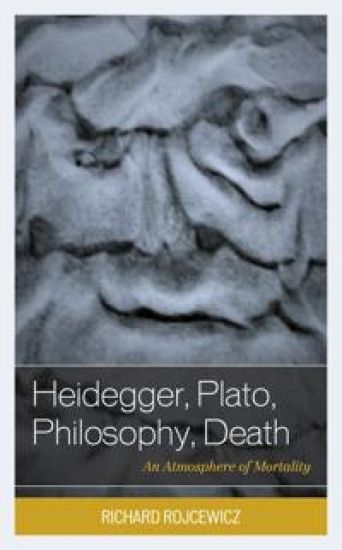
Richard Rojcewicz’s Heidegger, Plato, Philosophy, Death: An Atmosphere of Mortality offers an original perspective on the bond between philosophy and death in the thought of Martin Heidegger and Plato. For Heidegger, authentic being-toward-death is not preoccupation with death as such, nor resoluteness in the face of one's demise, but preoccupation with the meaning of the beings—ourselves—who comport themselves understandingly toward death and who breathe an atmosphere of mortality. Authentic dying is then nothing other than the practice of philosophy. For Plato, philosophy is the practice of dying, the separating of the soul to its own autonomous existence. This separation, however, is not that of the soul from the body. Instead, it is separation from common understanding, hearsay, everydayness, and mediocrity. Accordingly, both Heidegger and Plato see an intimate connection between philosophy and death. Rather than a morbid focus on negativity and dissolution, however, this connection leads to a call to being authentic, thinking for oneself, and repudiating the superficiality of the crowd. For both Heidegger and Plato, philosophizing and dying are, most concretely, a matter of heeding the Delphic oracle: Know thyself. Rojcewicz pursues this theme of philosophy and death through the topics of signs, anxiety, conscience, music, and the COVID-19 pandemic.
Heidegger, Plato, Philosophy, Death

Heidegger, Plato, Philosophy, Death

Richard Rojcewicz

BLOOMSBURY PUBLISHING PLC
2021
sidottu
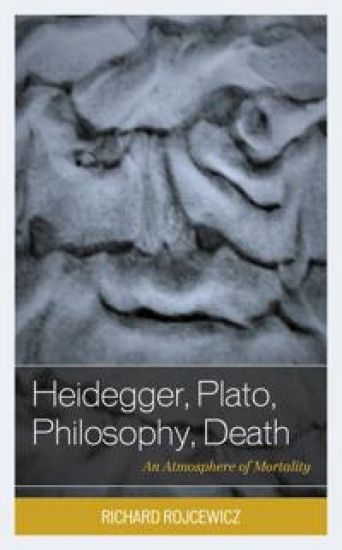
Richard Rojcewicz’s Heidegger, Plato, Philosophy, Death: An Atmosphere of Mortality offers an original perspective on the bond between philosophy and death in the thought of Martin Heidegger and Plato. For Heidegger, authentic being-toward-death is not preoccupation with death as such, nor resoluteness in the face of one's demise, but preoccupation with the meaning of the beings—ourselves—who comport themselves understandingly toward death and who breathe an atmosphere of mortality. Authentic dying is then nothing other than the practice of philosophy. For Plato, philosophy is the practice of dying, the separating of the soul to its own autonomous existence. This separation, however, is not that of the soul from the body. Instead, it is separation from common understanding, hearsay, everydayness, and mediocrity. Accordingly, both Heidegger and Plato see an intimate connection between philosophy and death. Rather than a morbid focus on negativity and dissolution, however, this connection leads to a call to being authentic, thinking for oneself, and repudiating the superficiality of the crowd. For both Heidegger and Plato, philosophizing and dying are, most concretely, a matter of heeding the Delphic oracle: Know thyself. Rojcewicz pursues this theme of philosophy and death through the topics of signs, anxiety, conscience, music, and the COVID-19 pandemic.
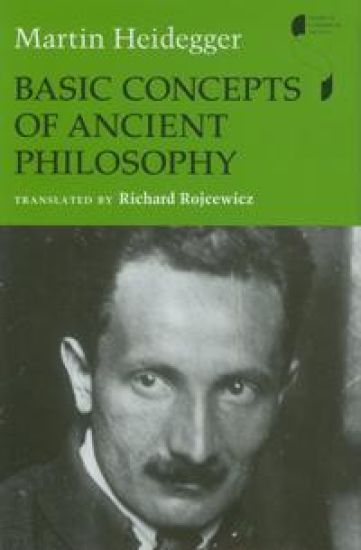
Basic Concepts of Ancient Philosophy

Basic Concepts of Ancient Philosophy

Martin Heidegger; Richard Rojcewicz

Indiana University Press
2007
sidottu
Basic Concepts of Ancient Philosophy presents a lecture course given by Martin Heidegger in 1926 at the University of Marburg. First published in German as volume 22 of the collected works, the book provides Heidegger's most systematic history of Ancient philosophy beginning with Thales and ending with Aristotle. In this lecture, which coincides with the completion of his most important work, Being and Time, Heidegger is working out a way to sharply differentiate between beings and Being. Richard Rojcewicz's clear and accurate translation offers English-speaking readers valuable insight into Heidegger's views on Ancient thought and concepts such as principle, cause, nature, unity, multiplicity, Logos, truth, science, soul, category, and motion.
The Gods and Technology

The Gods and Technology

Richard Rojcewicz

State University of New York Press
2006
pokkari
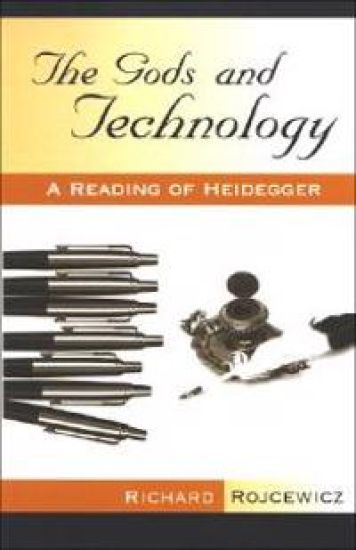
An analysis of Heidegger's philosophy of technology. The Gods and Technology is a careful and original reading of the principal statement of Martin Heidegger's philosophy of technology, the essay Die Frage nach der Technik ("The question concerning technology"). That essay is a rich one, and Richard Rojcewicz's goal is to mine it for the treasures only a close reading of the original German text can bring out. Rojcewicz shows how the issue of technology is situated at the very heart of Heidegger's philosophical enterprise; especially for the late Heidegger, the philosophy of technology is a philosophy of Being, or of the gods. For Heidegger, technology is not applied knowledge, but the most basic knowledge, of which science, for example, is an application. The ultimate goal of this study, and, as Rojcewicz writes, of Heidegger's thought, is practical: to find the appropriate response to the challenges of the modern age, to learn to live in a technological world without falling victim to the thrall of technological things.
The Gods and Technology

The Gods and Technology

Richard Rojcewicz

State University of New York Press
2006
sidottu
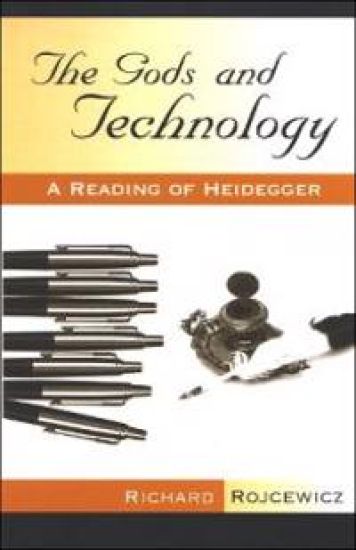
An analysis of Heidegger's philosophy of technology. The Gods and Technology is a careful and original reading of the principal statement of Martin Heidegger's philosophy of technology, the essay Die Frage nach der Technik ("The question concerning technology"). That essay is a rich one, and Richard Rojcewicz's goal is to mine it for the treasures only a close reading of the original German text can bring out. Rojcewicz shows how the issue of technology is situated at the very heart of Heidegger's philosophical enterprise; especially for the late Heidegger, the philosophy of technology is a philosophy of Being, or of the gods. For Heidegger, technology is not applied knowledge, but the most basic knowledge, of which science, for example, is an application. The ultimate goal of this study, and, as Rojcewicz writes, of Heidegger's thought, is practical: to find the appropriate response to the challenges of the modern age, to learn to live in a technological world without falling victim to the thrall of technological things.