Kirjojen hintavertailu – 12 859 828 kirjaa ja 27 kauppaa

Kirjailija

Richard S. Hobbs

Kirjat ja teokset yhdessä paikassa: 3 kirjaa, julkaisuja vuosilta 2002–2021, suosituimpiin kuuluu Our Brother's Keeper. Vertaile teosten hintoja ja tarkista saatavuus suomalaisista kirjakaupoista.

Nimi esiintyy myös muodoissa: Richard S Hobbs

3 kirjaa

Kirjojen julkaisuvuodet: 2002–2021.

Our Brother's Keeper

Our Brother's Keeper

Richard S Hobbs

Samis Foundation
2021
pokkari
From immigrant shoemaker to multimillionaire, this is the extraordinary life story of Sam Israel. Sam Israel was one of the Pacific Northwest's most eccentric, controversial, and enigmatic characters. An immigrant Sephardic Jewish shoemaker of humble beginnings, Israel arrived in Seattle in 1919 and thanks to savvy investing, came to own hundreds of properties in Seattle and around the state. This impressive assemblage included dozens of buildings in downtown Seattle and thousands of acres in western and eastern Washington and was valued at the time of his death in 1994 at more than $40 million. Always a challenging and independent-minded person, Sam moved to central Washington in 1960, and his reputation as a reclusive, absentee landlord grew. To his immediate family he was the revered "Uncle Sam," but to others he remained a mystery. Late in life, Sam Israel became known for his love of the outdoors, his devotion to Jewish faith and history, and his generous support of numerous community organizations, from the Seattle Hebrew Academy to Boy Scouts, Girl Scouts, and various wildlife and archaeological organizations in the United States and the State of Israel. He carried his faith in G-d, his Jewish identity, and a sense of personal responsibility for Jews and non-Jews from his home to the community and across the world. Sam never married, and upon his death in 1994 his properties became a key part of historic preservation in Seattle and the growth of the arts community in Pioneer Square. Through the foundation he established, his fortune funded Jewish education for future generations. Today, the Samis Foundation carries on Sam Israel's legacy, living and funding the heart of Sam's motto: "We are our brother's keeper."
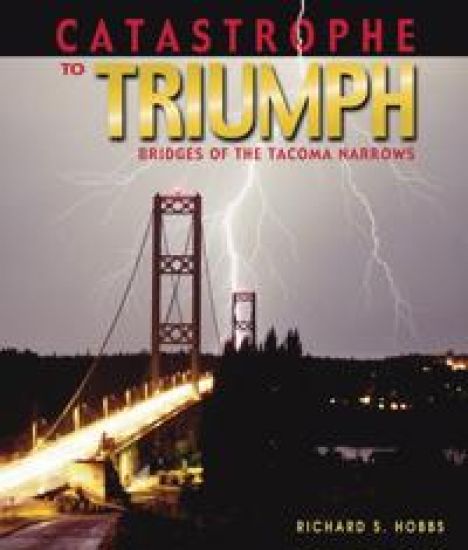
Catastrophe to Triumph

Catastrophe to Triumph

Richard S. Hobbs; Douglas B. MacDonald

Washington State University Press
2006
pokkari
Just 129 days after it opened, the $6.4 million Tacoma Narrows Bridge plunged to a watery grave on November 7, 1940. Even before completion, the engineering marvel's tendency to undulate was apparent, earning it the nickname "Galloping Gertie." Still, many of those involved claimed to be utterly stunned by the failure. In Catastrophe to Triumph, Richard S. Hobbs examines the real reasons government agencies hired a New York firm to fatefully revise the first set of plans. He reveals who knew about the imminent danger, what was being done to prevent a disaster, and why it was too little, too late. He recounts the final calamitous hours and harrowing escapes. In the aftermath, he explores the lawsuits, the insurance scam, the formal investigation, the heartbreak of ruined careers, and more. Yet ultimately, the story ends in triumph. Hobbs describes how a magnificent new 1950 bridge rose on the original substructure, along with details about the most recent Narrows span, scheduled to open in 2007. He explains the design changes that ensure stability and the incredible maintenance these intricate machines require. Prepared in cooperation with the Washington State Department of Transportation.
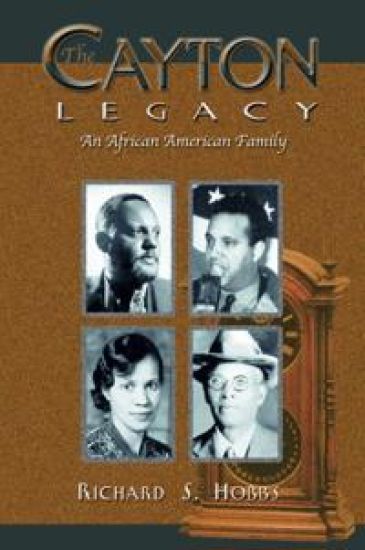
The Cayton Legacy

The Cayton Legacy

Richard S. Hobbs

Washington State University Press
2002
pokkari
The evolution of a remarkable African American family--the Caytons--is a brilliantly told tale set primarily in Seattle and Chicago. The Caytons lived a true American saga, illuminating the black and white experience in the United States and the troubled, tortuous course of race relations. Several generations of the Horace and Susie Cayton family spanned the period from the Civil War to the present. They were a distinguished family, conscious of their historical heritage and distinct identity. The Caytons sought to define themselves in relation to their family traditions and to society as a whole. In the process, they attained financial success and influence both nationally and regionally. They published newspapers, authored books and articles, held public office, worked for civil and human rights, and established relationships with major black and white community and cultural leaders in America and France. They also faced racial discrimination and duress, business and professional failures, and even poverty. And some struggled against the personal challenges of alcoholism, depression, and drug addiction. Yet the force of the family legacy--of being "a Cayton"--impelled most of them to make significant contributions and accomplish high achievements. They speak to us with deep insight about our society--sharpening our understanding of the past, and enhancing our sense of individual and collective identity in the modern age.