

Kirjailija
Richard S. Lewis
Kirjat ja teokset yhdessä paikassa: 5 kirjaa, julkaisuja vuosilta 1984–2022, suosituimpiin kuuluu Men in Space. Vertaile teosten hintoja ja tarkista saatavuus suomalaisista kirjakaupoista.
Nimi esiintyy myös muodoissa: Richard S Lewis
5 kirjaa
Kirjojen julkaisuvuodet: 1984–2022.

What does it mean to be media literate in today's world? How are we transformed by the many media infrastructures around us? We are immersed in a world mediated by information and communication technologies (ICTs). From hardware like smartphones, smartwatches, and home assistants to software like Facebook, Instagram, Twitter, and Snapchat, our lives have become a complex, interconnected network of relations. Scholarship on media literacy has tended to focus on developing the skills to access, analyze, evaluate, and create media messages without considering or weighing the impact of the technological medium-how it enables and constrains both messages and media users. Additionally, there is often little attention paid to the broader context of interrelations which affect our engagement with media technologies. This book addresses these issues by providing a transdisciplinary method that allows for both practical and theoretical analyses of media investigations. Informed by postphenomenology, media ecology, philosophical posthumanism, and complexity theory the author proposes both a framework and a pragmatic instrument for understanding the multiplicity of relations that all contribute to how we affect-and are affected by-our relations with media technology. The author argues persuasively that the increased awareness provided by this posthuman approach affords us a greater chance for reclaiming some of our agency and provides a sound foundation upon which we can then judge our media relations. This book will be an indispensable tool for educators in media literacy and media studies, as well as academics in philosophy of technology, media and communication studies, and the post-humanities.

What does it mean to be media literate in today's world? How are we transformed by the many media infrastructures around us? We are immersed in a world mediated by information and communication technologies (ICTs). From hardware like smartphones, smartwatches, and home assistants to software like Facebook, Instagram, Twitter, and Snapchat, our lives have become a complex, interconnected network of relations. Scholarship on media literacy has tended to focus on developing the skills to access, analyze, evaluate, and create media messages without considering or weighing the impact of the technological medium-how it enables and constrains both messages and media users. Additionally, there is often little attention paid to the broader context of interrelations which affect our engagement with media technologies. This book addresses these issues by providing a transdisciplinary method that allows for both practical and theoretical analyses of media investigations. Informed by postphenomenology, media ecology, philosophical posthumanism, and complexity theory the author proposes both a framework and a pragmatic instrument for understanding the multiplicity of relations that all contribute to how we affect-and are affected by-our relations with media technology. The author argues persuasively that the increased awareness provided by this posthuman approach affords us a greater chance for reclaiming some of our agency and provides a sound foundation upon which we can then judge our media relations. This book will be an indispensable tool for educators in media literacy and media studies, as well as academics in philosophy of technology, media and communication studies, and the post-humanities.
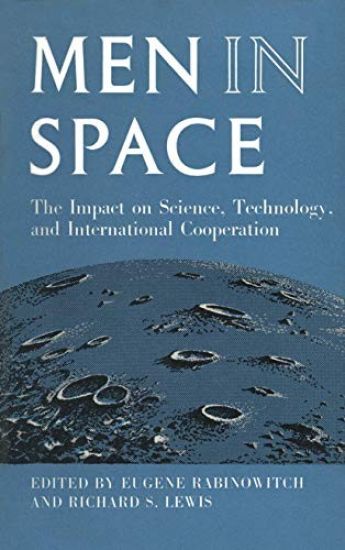
AFTER THE LUNAR LANDING Our concern in this volume is the impact upon science, technology and international cooperation of man's emer gence from the "cradle," the biosphere of Earth, to visit the surface of another planet. The editors invited experts in the physical and social sciences who had been think ing, talking and writing about space programs for a long time. Some had been critical of manned space flight, its motives and its costs. Some have been or are currently involved in Project Apollo. Some had not committed themselves to value judgments but were fascinated by probable results. In general, the authors regard the moon landing as a climactic event in man's evolution. Sir Bernard Lovell is likely to have a cataclysmic effect on society suggests it and that an international effort should be mounted to send men to Mars in the 1980s. The question of how Project Apollo relates to a scheme of priorities which takes into account such needs as housing, health, pollution and the problems of urbaniza tion enters the discussion from several points of view. Eugene Rabinowitch suggests that Apollo may stimulate the development of a system of establishing national priorities in the application of the nation's resources. Freeman Dyson, on the other hand, does not believe that ix PREFACE x any "hierarchy of committees" can devise an accepted order of priorities.
Traces the development of the space shuttle, describes the political and technological problems the program faced, and looks at future uses of the shuttle.